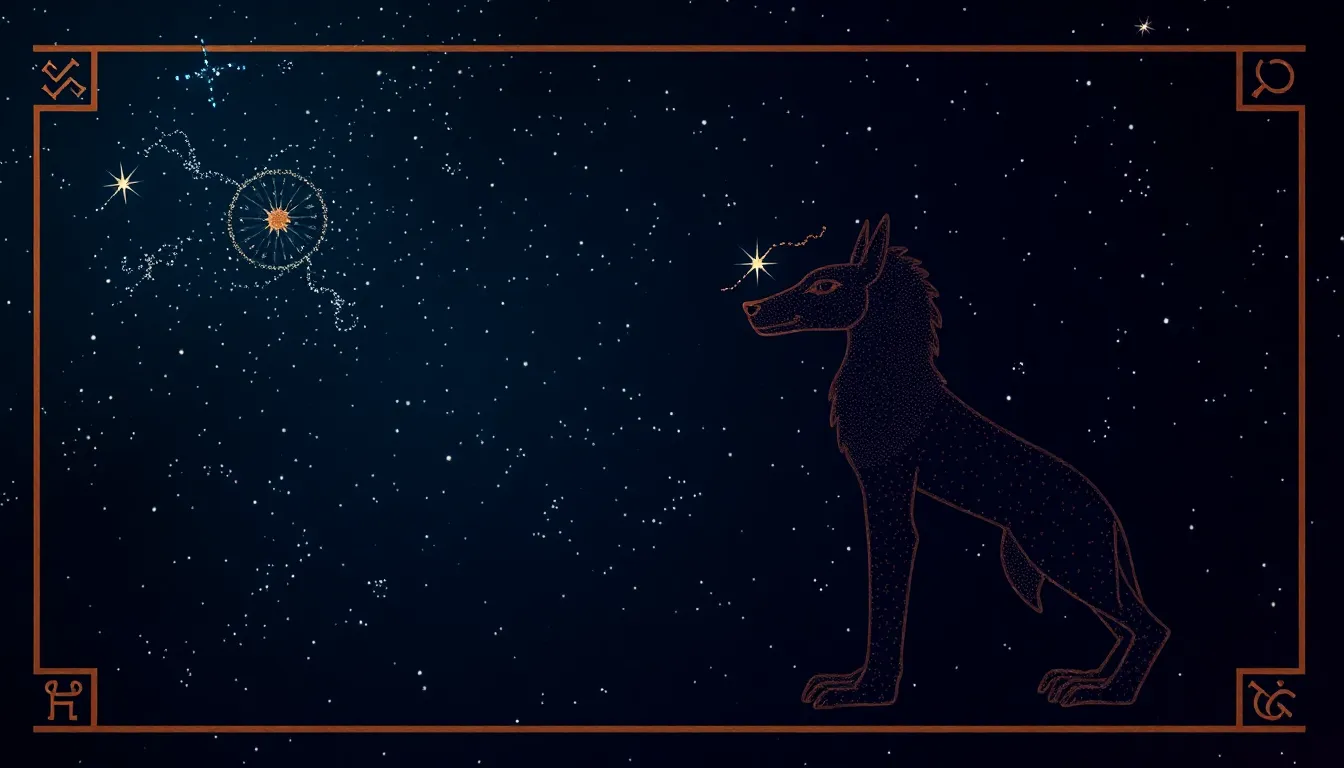
The Zodiac in Ancient Egypt: Star Signs and Their Myths
I. Introduction
The ancient Egyptians were deeply attuned to the cosmos, and astrology played a significant role in their culture and daily life. The stars, planets, and celestial events were seen as reflections of divine will and provided guidance for personal and communal decisions. This article explores the intricate connections between the zodiac and Egyptian mythology, shedding light on how these ancient beliefs influenced the civilization’s practices and worldview.
II. The Origins of Astrology in Ancient Egypt
Astrology has roots in various ancient civilizations, but Egypt’s unique geographical and cultural context shaped its own zodiac system. The Nile River, which was central to Egyptian life, also influenced their celestial observations. Egyptians meticulously tracked celestial bodies, resulting in a sophisticated understanding of the stars and their movements.
- Geographical Influence: The clear skies over the Nile valley provided perfect conditions for stargazing.
- Celestial Observations: The Egyptians noted the rising and setting of stars, correlating them with specific times of the year and agricultural cycles.
III. Understanding the Egyptian Zodiac
The Egyptian zodiac differs significantly from the Western zodiac that many know today. While the Western zodiac is based on a twelve-month solar calendar, the Egyptian zodiac is more aligned with the lunar calendar and the cycles of the Nile.
Here is a brief overview of the 12 zodiac signs in ancient Egyptian astrology:
- Horus (Falcon)
- Thoth (Ibis)
- Ra (Sun God)
- Isis (Mother Goddess)
- Osiris (God of the Underworld)
- Seth (Chaos God)
- Amun (King of Gods)
- Bastet (Cat Goddess)
- Hathor (Goddess of Love)
- Nut (Sky Goddess)
- Geb (Earth God)
- Anubis (God of Mummification)
IV. The Symbolism Behind Each Zodiac Sign
Each zodiac sign in ancient Egyptian astrology carries unique symbols and meanings often associated with animals and deities. Understanding these symbols provides insight into the values and beliefs of ancient Egyptians.
- Horus: Symbolizes protection and kingship, often depicted as a falcon.
- Thoth: Represents wisdom and knowledge, associated with the ibis bird.
- Ra: The sun god, symbolizes creation and life, often depicted with a sun disk.
- Isis: Represents motherhood and magic, often seen with a throne on her head.
- Osiris: Symbolizes resurrection and the afterlife, depicted as a mummified king.
- Seth: Represents chaos and disorder, often depicted as a mysterious creature.
- Amun: Symbolizes mystery and the hidden, often represented by a ram.
- Bastet: Represents home and fertility, depicted as a domestic cat.
- Hathor: Goddess of love and joy, often shown with cow horns and a sun disk.
- Nut: The sky goddess, depicted as a woman arched over the earth.
- Geb: The earth god, often represented lying down with vegetation.
- Anubis: God of embalming and the dead, depicted with a jackal head.
V. Myths and Legends Associated with the Zodiac Signs
Each zodiac sign is entwined with myths that reflect the values and beliefs of ancient Egypt. These stories are crucial for understanding how the Egyptians perceived the cosmos and their place within it.
- Horus: The myth of Horus’ battle with Seth symbolizes the struggle between order and chaos.
- Thoth: Thoth is credited with writing the Book of the Dead, guiding souls through the afterlife.
- Ra: The daily journey of Ra across the sky represents the cycle of life and death.
- Isis: The story of Isis searching for Osiris highlights themes of love and resurrection.
- Osiris: Osiris’ death and resurrection are central to beliefs about the afterlife.
VI. The Role of Zodiac Signs in Daily Life and Decision-Making
Astrology was not merely a celestial observation for the Egyptians; it was a practical tool that influenced various aspects of daily life. Egyptians consulted zodiac signs for guidance in multiple areas:
- Agriculture: Zodiac signs were used to determine the best times for planting and harvesting crops.
- Marriage: Compatibility between partners was often assessed based on their zodiac signs.
- Governance: Pharaohs sought astrological advice for decisions regarding wars and treaties.
VII. The Legacy of Egyptian Astrology in Modern Culture
The influence of ancient Egyptian zodiac signs persists in contemporary astrology and spiritual practices. Modern interest in ancient beliefs has sparked a revival of curiosity about these systems.
- Astrology Today: Many astrological practices borrow elements from ancient Egyptian systems, particularly regarding symbolism.
- Resurgence of Interest: There is a growing fascination with Egyptian mythology and astrology, leading to new interpretations and practices.
VIII. Conclusion
The zodiac played a profound role in ancient Egyptian society, shaping their worldview and daily practices. Through the lens of astrology, the Egyptians sought guidance and understanding of their lives in relation to the cosmos. The legacy of Egyptian astrology endures, influencing modern spiritual practices and reminding us of the ancient connection between humanity and the stars.