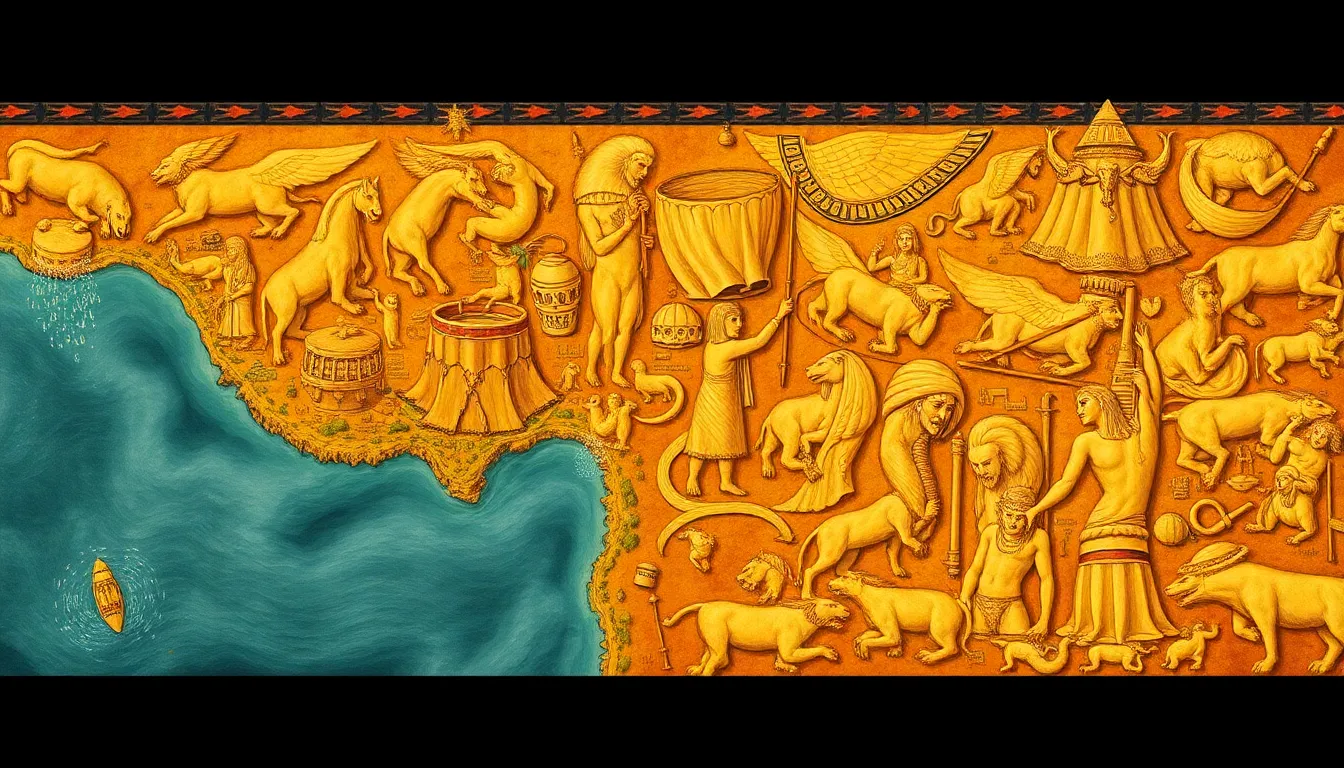
The Land of the Gods: Mapping Ancient Egyptian Mythology
I. Introduction to Ancient Egyptian Mythology
Ancient Egyptian mythology is a rich tapestry of stories, beliefs, and deities that played a crucial role in the daily lives of the Egyptians. The myths not only explained natural phenomena but also provided a framework for understanding the world around them. The gods and goddesses were deeply intertwined with every aspect of life, from the mundane to the divine.
The importance of these deities extended beyond mere worship; they were seen as protectors and guides, influencing everything from agriculture to the afterlife. This article aims to explore the landscape of Egyptian deities, delving into their complexities and significance in the context of ancient Egyptian civilization.
II. The Pantheon of Egyptian Deities
The pantheon of Egyptian deities is vast and varied, with each god and goddess overseeing different aspects of life and nature. Some of the major figures include:
- Ra: The sun god, symbolizing light and creation.
- Isis: Goddess of magic and motherhood, revered for her protective qualities.
- Osiris: God of the afterlife and resurrection, representing the cycle of life and death.
- Horus: God of the sky and kingship, often depicted as a falcon.
- Anubis: God of mummification and the afterlife, guiding souls to the underworld.
These deities often had complex relationships with one another, characterized by alliances and rivalries. For example, the conflict between Osiris and his brother Set embodies a significant theme of duality, representing order versus chaos, life versus death. This duality is a recurring motif in Egyptian mythology, emphasizing the balance that the gods sought to maintain in the universe.
III. Creation Myths and the Birth of the Gods
Creation myths are essential to understanding the origins of the Egyptian pantheon. Different regions had their own versions of creation stories, with two prominent ones being the Heliopolitan and Memphite myths.
- Heliopolitan Myth: This myth describes how Atum, the creator god, emerged from the primordial waters of Nun and created the first gods, including Shu (air) and Tefnut (moisture).
- Memphite Myth: In this account, Ptah is the creator god who brought the world into existence through thought and word.
The primordial waters of Nun symbolize the chaos that existed before creation, and the gods’ emergence from these waters reflects their roles in establishing order. The concept of Ma’at, representing truth, balance, and cosmic order, was central to Egyptian beliefs and was upheld by the gods.
IV. Sacred Geography: Temples and Sacred Sites
Temples and sacred sites were integral to the worship of Egyptian deities, serving as both places of worship and centers of economic activity. Key temples include:
- Karnak: One of the largest temple complexes, dedicated primarily to the god Amun.
- Luxor: A major site for the worship of Amun and a center for the annual Opet Festival.
- Abu Simbel: Famous for its colossal statues of Ramses II and dedicated to the gods Ra-Horakhty and Amun.
The geographical significance of these sites often aligns with the myths associated with them. Pilgrimages were common, with rituals performed to honor the gods and ensure their favor. These sacred locations were believed to be the physical manifestations of divine presence on Earth.
V. The Afterlife and the Role of Deities
Beliefs about the afterlife were central to Egyptian culture, influencing burial practices and the construction of elaborate tombs. Deities played vital roles in the journey of the soul after death:
- Osiris: The god who judged the souls of the deceased, determining their fate in the afterlife.
- Anubis: The guide who led souls to the underworld, overseeing the mummification process.
The Book of the Dead served as a crucial guide for the deceased, containing spells and instructions for navigating the afterlife. This text illustrated the importance of living a life in accordance with Ma’at to achieve a favorable judgment.
VI. Mythological Stories and Their Cultural Impact
Mythological tales served not only as entertainment but also as moral and ethical lessons for the people. Some of the most famous myths include:
- Isis and Osiris: The story of love, betrayal, and resurrection that emphasizes themes of loyalty and the cyclical nature of life.
- The Contendings of Horus and Set: This myth illustrates the struggle for power and legitimacy, with Horus representing order and Set embodying chaos.
These stories influenced various aspects of art, literature, and culture in Ancient Egypt, reflecting societal values and beliefs. They were depicted in tomb paintings, sculptures, and inscriptions, leaving a lasting legacy that continues to captivate modern audiences.
VII. The Legacy of Egyptian Mythology in Modern Times
Today, interest in Egyptian mythology has experienced a revival, with many aspects of these ancient beliefs permeating contemporary culture. They have significantly influenced:
- Literature: Numerous novels and scholarly works explore themes from Egyptian mythology.
- Film: Movies often reference Egyptian gods and myths, showcasing their allure and fascination.
- Art: Modern artists draw inspiration from ancient symbols and stories, blending them into contemporary works.
Ongoing archaeological discoveries continue to shed light on the complexities of Egyptian mythology, providing new insights and reaffirming the significance of these ancient beliefs in our understanding of history.
VIII. Conclusion: The Enduring Allure of Ancient Egyptian Mythology
In conclusion, the exploration of Ancient Egyptian mythology reveals a complex world of gods and goddesses that shaped the lives of the Egyptians in profound ways. The pantheon reflects the values, beliefs, and cultural practices of a civilization that revered the divine. The enduring legacy of these myths, from creation stories to tales of the afterlife, continues to resonate in today’s world.
Understanding these ancient beliefs allows us to appreciate the richness of Egyptian civilization and its contributions to human thought and culture. As we uncover more about these deities and their narratives, we find that their stories remain relevant, reminding us of the universal themes of life, death, and the quest for meaning.