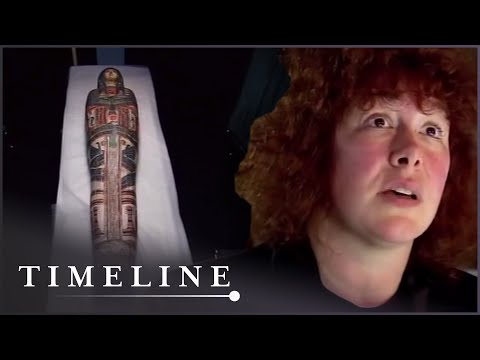
Unraveling the Mysteries of the Coffin Texts
I. Introduction to the Coffin Texts
The Coffin Texts are an important collection of ancient Egyptian funerary inscriptions that provide insight into the beliefs and practices surrounding death and the afterlife in ancient Egypt. They are considered one of the most significant developments in the evolution of Egyptian funerary literature.
Historically, these texts were inscribed on the interior surfaces of coffins during the Middle Kingdom (c. 2055-1650 BCE) and served as a guide for the deceased in the afterlife. Their importance lies not only in their spiritual significance but also in their reflection of the social and religious transformations occurring in ancient Egyptian society.
II. Origins and Development of the Coffin Texts
A. Evolution from Pyramid Texts to Coffin Texts
The Coffin Texts evolved from the earlier Pyramid Texts, which were exclusive to the royal tombs of the Old Kingdom. While Pyramid Texts were generally limited to kings and queens, the Coffin Texts democratized access to these spiritual resources, allowing non-royal individuals to benefit from similar protective spells and prayers.
B. Timeframe and Cultural Shifts in Ancient Egypt
The transition from Pyramid Texts to Coffin Texts marks a significant cultural shift during the Middle Kingdom. This period witnessed changes in social structures, with a rise in the importance of the middle class and the democratization of funerary practices. The Coffin Texts reflect these changes, as they were designed for a broader audience, providing a more inclusive approach to the afterlife.
III. Structure and Content of the Coffin Texts
A. Literary Composition and Language
The Coffin Texts are composed in Middle Egyptian, a language that was used during the Middle Kingdom. The texts are characterized by their poetic structure, featuring spells, hymns, and ritualistic language designed to guide the deceased through various challenges in the afterlife.
B. Themes and Motifs: Death, Resurrection, and the Afterlife
Central to the Coffin Texts are themes of death, resurrection, and the afterlife. Common motifs include:
- Judgment after death
- The journey through the underworld
- Rebirth and eternal life
- Protection from malevolent forces
These themes illustrate the ancient Egyptians’ deep-seated beliefs in the continuity of life beyond death, emphasizing the importance of proper burial practices and rituals.
IV. The Role of the Coffin Texts in Funerary Rituals
A. Function within the Coffin and Burial Practices
The Coffin Texts served as a vital component of funerary rituals. They were inscribed directly onto the coffin, which acted as a vessel for the deceased’s spirit. The texts were intended to provide protection and guidance, ensuring a safe passage to the afterlife.
B. Connection to Ancient Egyptian Beliefs about the Afterlife
The texts reveal much about ancient Egyptian beliefs regarding the afterlife. They highlight the necessity of rituals and spells to navigate the challenges that awaited the deceased, reflecting a worldview that perceived death not as an end but as a transition to another existence.
V. Key Deities and Symbols in the Coffin Texts
A. Major Deities Represented and Their Significance
Within the Coffin Texts, several deities play prominent roles, including:
- Osiris: The god of the afterlife and resurrection, symbolizing eternal life.
- Isis: The goddess of magic and motherhood, known for her protective role.
- Horus: The sky god representing kingship and protection.
These deities were invoked for their powers to assist the deceased in their journey through the afterlife.
B. Symbolism and Imagery: Analyzing the Visual Elements
The Coffin Texts also feature rich symbolism and imagery. Common symbols include:
- The ankh (symbol of life)
- Lotus flowers (representing rebirth)
- Scarab beetles (symbolizing transformation)
These visual elements enhance the texts’ spiritual messages, offering layers of meaning that resonate with the ancient Egyptians’ beliefs about life and death.
VI. Archaeological Discoveries and Interpretations
A. Significant Finds and Their Contributions to Understanding
Numerous archaeological discoveries have shed light on the Coffin Texts, including intact coffins and burial sites. These finds have provided valuable context for interpreting the texts and understanding their role in ancient Egyptian society.
B. Challenges in Translating and Interpreting the Texts
Despite significant progress in translating the Coffin Texts, challenges remain. The complexity of the language, the variations in regional dialects, and the need for contextual understanding make translation a nuanced task. Scholars continue to debate interpretations, contributing to ongoing discussions in Egyptology.
VII. Comparisons with Other Ancient Texts
A. Similarities and Differences with Pyramid Texts and Book of the Dead
When comparing the Coffin Texts to other ancient Egyptian texts, such as the Pyramid Texts and the Book of the Dead, several similarities and differences emerge:
- Both the Coffin Texts and Pyramid Texts focus on the afterlife but differ in accessibility, with the latter being exclusive to royalty.
- The Book of the Dead, developed later, incorporates elements from both but is more structured as a guidebook.
B. Insights Gained from Cross-Cultural Comparisons
Cross-cultural comparisons with other ancient civilizations’ texts, such as Mesopotamian or Greco-Roman funerary literature, provide insights into shared human concerns regarding death and the afterlife. These comparisons highlight universal themes while also showcasing unique cultural expressions.
VIII. Conclusion: The Legacy of the Coffin Texts
A. Impact on Modern Understanding of Ancient Egyptian Religion
The Coffin Texts have significantly impacted modern understanding of ancient Egyptian religion and funerary practices. They offer a window into the spiritual lives of the ancient Egyptians, revealing their beliefs, fears, and hopes regarding death and the afterlife.
B. Future Research Directions and Ongoing Mysteries
As research continues, new discoveries may further illuminate the mysteries of the Coffin Texts. Ongoing archaeological efforts and advancements in translation technologies hold promise for uncovering additional layers of meaning, ensuring that the Coffin Texts remain a vital area of study in understanding ancient Egyptian culture.