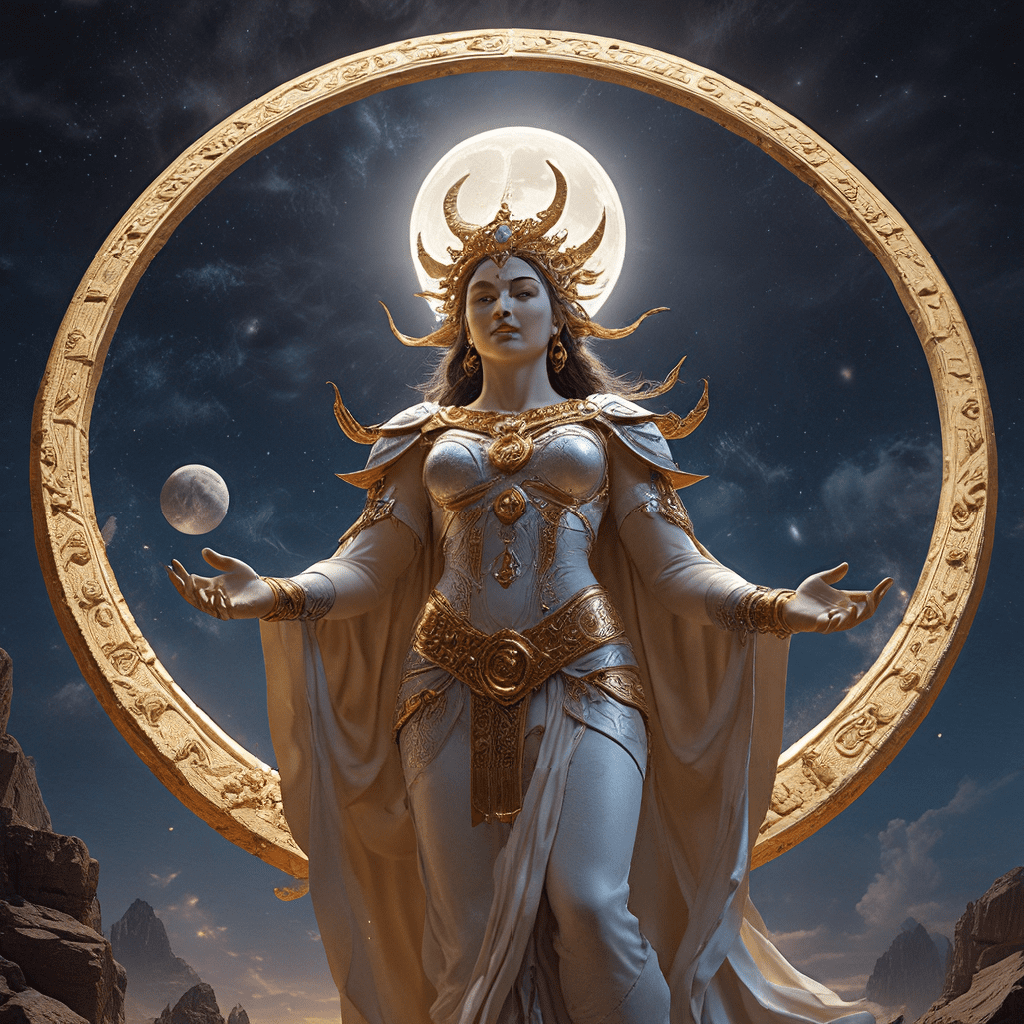
The Wisdom of the Gods: Celebrating the Festival of the Moon God
In the heart of ancient Egypt, where the Nile flowed and the pyramids stood tall, there lived a powerful god named Thoth. He was the embodiment of knowledge, wisdom, writing, magic, and the moon. His influence on Egyptian life was profound, and his wisdom was sought by pharaohs and commoners alike. The Egyptians celebrated Thoth’s wisdom and power during a special festival dedicated to the moon god.
1. The Lunar Dance: Unveiling the Mysteries of Thoth
Thoth’s connection to the moon was deeply ingrained in ancient Egyptian beliefs. The moon, with its ever-changing phases, represented cycles and mysteries. Thoth was associated with the moon’s waxing and waning, representing the growth and decline of knowledge and wisdom. During his festival, the moon was at its fullest, illuminating the night sky with an ethereal glow. This celestial spectacle was a symbol of Thoth’s powerful presence, reminding the Egyptians of their connection to the divine.
The Egyptians believed that Thoth’s wisdom was hidden within the moon’s mysteries. They watched the celestial dance of the moon, studying its movements, seeking to understand the secrets it held. This fascination led to the development of advanced astronomy and calendrical systems, showcasing the Egyptians’ remarkable understanding of the cosmos.
2. A Celestial Symphony: The Moon’s Influence on Ancient Egyptian Life
The moon played a crucial role in ancient Egyptian life. It influenced their agriculture, navigation, and even their understanding of time. Farmers relied on the moon’s phases to plant and harvest their crops. Sailors navigated by the stars, including the moon, to guide their journeys across the Nile and beyond. The Egyptians also used the moon to create a lunar calendar, which helped them track time and celebrate important events.
The moon’s influence extended beyond practical matters. It was seen as a powerful symbol of creation, rebirth, and renewal. Its cycles reflected the ongoing cycle of life, death, and resurrection, concepts that were central to Egyptian religion and mythology.
3. The Festival of the Moon God: A Night of Illumination
The festival of Thoth, often referred to as the “Festival of the Moon God,” was a grand celebration held under the full moon. It was a time for Egyptians to honor Thoth’s wisdom and to seek his guidance. The festival was marked by elaborate rituals, offerings, and festivities. The temples dedicated to Thoth were adorned with flowers, incense burned, and prayers were recited.
One of the most prominent ceremonies involved the “lunar dance.” Dancers and priests would perform intricate movements under the moonlight, symbolizing Thoth’s wisdom and the moon’s celestial journey. The dance was a way to connect with the divine, to seek inspiration, and to celebrate the cycle of knowledge and understanding.
4. Unveiling the Secrets: Thoth’s Role as Scribe of the Gods
Thoth was believed to be the scribe of the gods, the keeper of all knowledge and wisdom. He was responsible for recording the decrees of the gods and the history of the world. His role as scribe was crucial to the Egyptians’ understanding of their past and their beliefs about the afterlife.
The Egyptians believed that Thoth’s knowledge was vast and infinite. He was said to be the author of many sacred texts, including the “Book of the Dead,” which guided the deceased through the underworld. His wisdom extended to all areas of life, from magic and medicine to astronomy and law.
5. The Wisdom of the Ibis: Embracing Knowledge and Learning
Thoth was often depicted as an ibis, a bird known for its intelligence and keen eyesight. The ibis symbolized Thoth’s intellectual power and his ability to see beyond the surface to uncover the hidden truths of the universe. The ibis was sacred to the Egyptians and was often mummified and buried in tombs as a symbol of Thoth’s presence.
The Egyptians embraced learning and knowledge, believing that education was essential for a fulfilling life. They established schools and libraries, where people could study a wide range of subjects. Thoth’s wisdom inspired a culture of scholarship, encouraging them to seek new knowledge and to share their discoveries with others.
6. The Dance of the Stars: Navigating the Cosmos with Thoth
Thoth’s knowledge extended to the cosmos. He was also associated with the stars, which he used to navigate the heavens and to predict the future. The Egyptians believed that Thoth’s wisdom could help them understand the mysteries of the universe, from the movements of the planets to the constellations that graced the night sky.
Thoth was depicted with a staff topped with a moon crescent and a star, representing his mastery of astronomy and his ability to guide people through the darkness. He was a guide for both the living and the dead, helping people navigate the challenges of life and the mysteries of the afterlife.
7. The Moon’s Magic: Healing, Prophecy, and the Power of Intuition
The moon was believed to have magical properties, and Thoth was the god of magic and divination. He was said to possess the power to heal, to grant prophetic visions, and to guide people on their spiritual journeys. The Egyptians used the moon’s energy to perform rituals of healing, to seek guidance from the gods, and to connect with the unseen world.
The moon’s cycles were seen as a reflection of the flow of life energy, and Thoth was the master of this energy. He was the god of intuition, and his wisdom was sought by those who sought to understand their own inner world and to connect with their higher selves.
8. The Book of the Dead: Journey Through the Underworld with Thoth’s Guidance
One of the most important texts in ancient Egyptian religion was the “Book of the Dead.” It was a collection of spells and rituals designed to guide the deceased through the afterlife and to ensure their safe passage into the realm of the gods. Thoth was believed to be the author of this sacred text, and his wisdom was essential for navigating the challenges of the underworld.
The “Book of the Dead” depicted Thoth weighing the heart of the deceased against a feather, symbolizing the judgment of their deeds in life. The deceased had to prove their worthiness to enter the afterlife, a journey that was guided by Thoth’s wisdom and the power of the moon.
9. The Legacy of the Moon God: Thoth’s Influence on Modern Spirituality
Thoth’s legacy continues to inspire people today. His wisdom is revered in modern spirituality, with many seeking his guidance on matters of knowledge, magic, and intuition. The moon remains a powerful symbol of the divine, and Thoth’s teachings continue to guide seekers on their spiritual journeys.
Thoth’s association with the moon, his role as a scribe of the gods, and his mastery of magic have made him an enduring figure in mythology and spirituality. His story reminds us of the power of knowledge, the importance of learning, and the potential of human intuition to connect with the divine.
10. A Night of Celebration: Honoring the Wisdom of the Moon God
The festival of Thoth is a reminder of the importance of honoring the wisdom of the gods and the power of the moon. It is a time to reflect on our own journeys of learning and to seek inspiration from the celestial realm. As we gaze at the moon’s silvery glow, we can connect with the ancient wisdom of Thoth and embrace the timeless secrets that the heavens hold.