The Whispers of the Sphinx: Secrets of Ancient Egyptian Magic
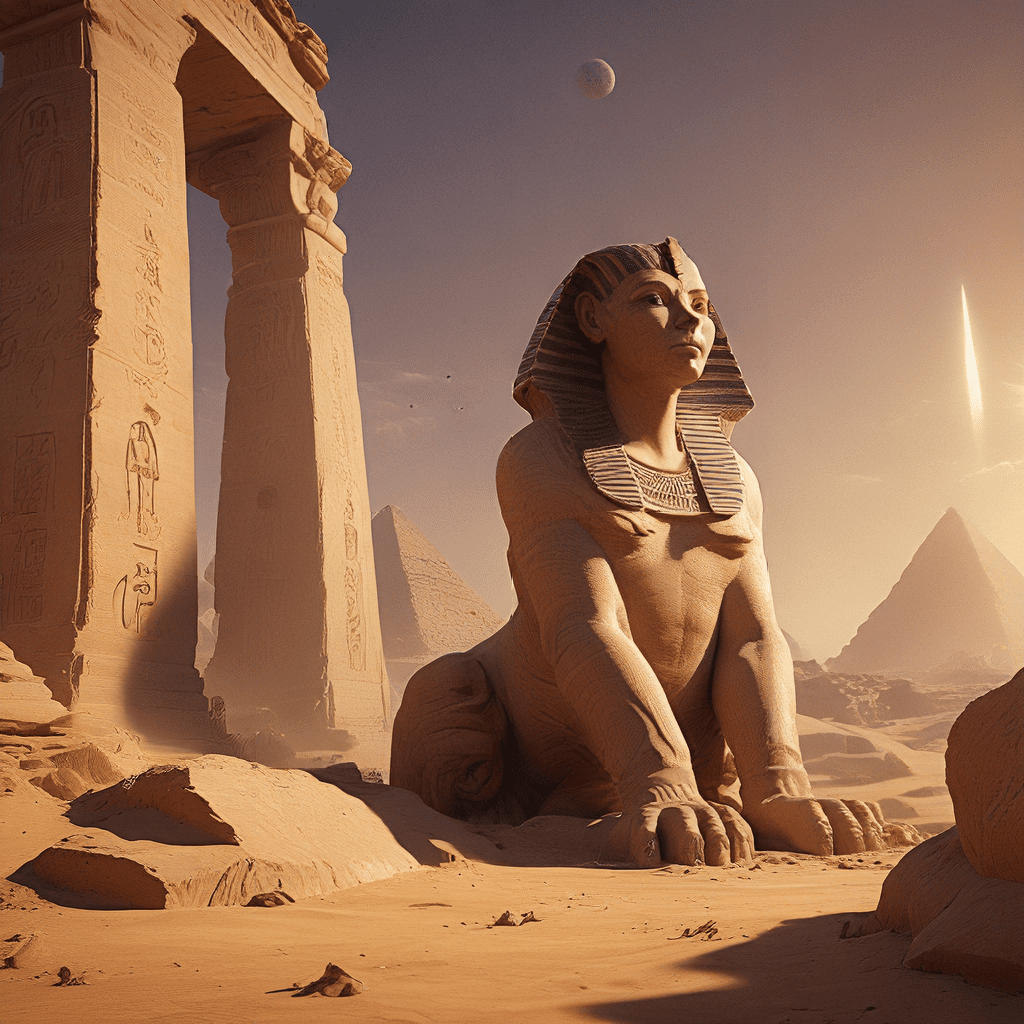
The Sphinx, a majestic lion with a human head, stands as one of the most enduring symbols of ancient Egypt. This enigmatic creature, guarding the entrance to the Giza Necropolis, has captivated the imaginations of people for centuries. Its secrets, buried deep within its stony gaze, whisper tales of ancient magic, powerful rituals, and the mysteries of the afterlife.
1. The Enigma of the Sphinx
The Great Sphinx of Giza, carved from a single piece of limestone, is a testament to the architectural prowess of the ancient Egyptians. Its immense scale and imposing presence have made it a symbol of power and authority since its creation around 2500 BC. The Sphinx, believed to be a guardian of the pharaohs’ tombs, is often depicted with a beard, symbolizing royalty. Its enigmatic smile, carved with such precision, continues to intrigue archaeologists, historians, and artists alike.
In mythology, the Sphinx is associated with the god Horus, the sky god known for his wisdom and strength. Its lion form represents power and dominance, while the human head symbolizes intelligence and knowledge. This duality highlights the Sphinx’s role as a guardian of wisdom and an embodiment of both the physical and spiritual realms.
The riddle of the Sphinx, posed to Oedipus in Greek mythology, presents a challenge that reflects the complexities of human existence. The riddle, “What goes on four legs in the morning, two legs at noon, and three legs in the evening?” reflects the different stages of life: childhood, adulthood, and old age. This riddle emphasizes the Sphinx’s connection to life, death, and the mysteries of the afterlife.
2. The Origins and Nature of Egyptian Magic
Magic played a vital role in ancient Egyptian society, permeating every aspect of life from daily routines to religious ceremonies. Ancient Egyptians believed in the power of words, rituals, and symbols to influence the world around them. They believed that magic could heal the sick, protect against evil spirits, and even influence the course of nature. The Egyptians used a variety of magical practices, such as incantations, amulets, and spells, to harness the power of the gods and manipulate the forces of the universe.
The Egyptians believed that the world was filled with divine forces, known as “ka”. These forces could be accessed through specific rituals, prayers, and offerings. The use of spells and incantations, often inscribed on papyrus scrolls and amulets, sought to harness these powers for specific purposes, such as protection, healing, or success in hunting or warfare.
Egyptian magic was deeply intertwined with religion and mythology, relying on the power of the gods and the divine order of the universe. The gods were seen as intermediaries between humans and the divine, able to grant blessings and bestow benefits upon those who worshipped and sought their protection.
3. The Sphinx as a Guardian of Magical Knowledge
The Sphinx, with its connection to both the physical and spiritual realms, was believed to be a guardian of knowledge and a keeper of secrets. Its association with the underworld and the afterlife suggested that it was privy to the mysteries of death, rebirth, and the journey to the afterlife. The Sphinx was also linked to the gods of wisdom, such as Thoth, the god of knowledge and magic, and Ra, the sun god, who was believed to have created the world.
The Sphinx’s enigmatic smile, often interpreted as a symbol of wisdom and mystery, might suggest that it possessed knowledge beyond human comprehension. Its presence near the pharaohs’ tombs reinforced its role as a guardian of secrets and a protector of the dead. The Sphinx’s enduring presence, both as a physical monument and a mythical figure, symbolizes the enduring power of ancient Egyptian magic and the mysteries it holds.
The Sphinx’s connection to the underworld and the afterlife suggests that it possessed knowledge of the cycles of life and death. This knowledge, passed down through generations of priests and magicians, was considered sacred and powerful. The Sphinx’s silent presence, guarding the entrance to the necropolis, evokes a sense of awe and mystery, reminding us of the hidden knowledge and secrets that lie buried within the ancient world.
4. The Magic of the Pharaohs
The pharaohs of ancient Egypt were not only rulers but also divine kings, believed to be the embodiment of Horus on Earth. They held immense power and authority, and their ability to connect with the divine was seen as essential for maintaining order and prosperity in the kingdom. The pharaohs used magic to legitimize their rule, ward off evil spirits, and ensure their success in battle.
The pharaohs’ connection to the Sphinx was profound. The Sphinx, as a guardian of the necropolis, symbolized the pharaoh’s divine right to rule and their connection to the afterlife. The pharaohs were believed to inherit the power of the gods through a divine lineage, allowing them to access magical power and perform rituals that ensured their well-being and the prosperity of the kingdom.
The pharaohs’ use of magic was not limited to rituals and ceremonies. They also relied on the power of amulets, spells, and incantations to protect themselves from harm and to ensure victory in battle. The Sphinx, with its association with power and protection, represented the pharaoh’s ability to command both the physical and spiritual realms.
5. The Magic of the Priests
The priests of ancient Egypt were the keepers of knowledge and the practitioners of magic. They were highly respected members of society, entrusted with the secrets of the gods and the power of divine rituals. The priests were responsible for performing ceremonies, interpreting dreams, healing the sick, and protecting the pharaoh and the kingdom from evil forces.
The priests were also responsible for maintaining the temples and conducting religious ceremonies. Their deep knowledge of spells and rituals, passed down through generations, allowed them to access the power of the gods and perform miracles. They used magic to heal the sick, protect the people from danger, and ensure the fertility of the land.
The priests’ connection to the Sphinx was deep, as they were the ones who understood its significance as a guardian of knowledge and secrets. They were also believed to be able to communicate with the Sphinx and access the wisdom it held. The Sphinx, with its association with magic, symbolized the power and influence of the priests in ancient Egyptian society.
6. The Magic of the Common People
Magic was not only practiced by the pharaohs and priests but also by the common people of ancient Egypt. Everyday life was infused with magic, with people relying on charms, amulets, and spells to protect themselves from harm, ensure good health, and bring prosperity. Folk magic and superstitions were deeply rooted in Egyptian culture, passed down through generations.
The common people believed that the Sphinx, as a protector of the pharaohs and the kingdom, could also protect them from evil spirits and misfortune. They sought the Sphinx’s blessings, leaving offerings at its base and praying for protection and guidance. The Sphinx was a symbol of hope and a reminder of the power of magic to influence their lives.
The use of magic in everyday life highlights the importance of magic in ancient Egyptian society. It provided a sense of control over their lives, offering comfort and protection in a world full of uncertainty. The Sphinx, as a powerful symbol of magic, represented the belief in the unseen forces that could influence the lives of both the elite and the common people alike.
7. The Hidden Secrets of the Sphinx
The Sphinx, with its enigmatic nature and its association with powerful magic, has inspired countless theories and speculations about its secrets. Some believe that the Sphinx holds hidden chambers and passages, perhaps leading to lost tombs or hidden treasures. Others theorize that the Sphinx was built as a repository of knowledge, containing ancient wisdom and forgotten secrets.
The possibility of hidden chambers and passages within the Sphinx remains a compelling mystery, prompting archaeologists and explorers to search for clues and evidence. The Sphinx’s connection to the afterlife, the underworld, and ancient magic suggests that it might hold secrets that have been lost to time.
The Sphinx symbolizes the enduring power of ancient Egyptian magic and the mysteries that still surround it. As we continue to explore and unravel the secrets of the Sphinx, we gain a deeper understanding of the rich tapestry of ancient Egyptian culture and the enduring legacy of magic in human history.
8. The Modern Fascination with Egyptian Magic
The allure of ancient Egyptian magic continues to fascinate people today. Egyptian mythology, with its complex deities, powerful rituals, and the enduring symbol of the Sphinx, has captivated the imaginations of artists, writers, and filmmakers for centuries. The ongoing search for lost knowledge and the fascination with the mysteries of the past continue to fuel interest in ancient Egyptian magic.
Modern practices, such as Wicca and other forms of neo-paganism, draw inspiration from ancient Egyptian magic, incorporating its symbolism, rituals, and beliefs into their own spiritual practices. The enduring appeal of ancient Egyptian magic suggests that its power and