The Whispers of the Pharaohs: Unmasking the Secrets of Egypt’s Kings
I. Introduction
Egypt, with its vast deserts, majestic Nile, and ancient monuments, has long been a cradle of civilization. Its historical significance resonates through time, showcasing a society that has intrigued historians, archaeologists, and travelers alike. The allure of the Pharaohs, who ruled this enigmatic land, captivates our imagination, conjuring images of grand temples, elaborate tombs, and divine power.
This article aims to unveil the secrets behind Egypt’s kings—the Pharaohs—exploring their divine role, monumental architecture, and the legacy they left behind. We will delve into the mysteries surrounding their reigns, the cultural innovations they fostered, and the modern discoveries that continue to shed light on their remarkable history.
II. The Pharaohs: Divine Rulers of Ancient Egypt
A Pharaoh was not merely a king; he was considered a god on earth, serving as a mediator between the divine and human realms. The role of a Pharaoh extended beyond governance; it encompassed spiritual leadership and the maintenance of cosmic order.
The connection between the Pharaohs and the divine was profound. Each Pharaoh was believed to embody the god Horus during their reign, and upon death, they were associated with Osiris, the god of the afterlife. This divine right to rule was fundamental in legitimizing their authority and maintaining social order.
Central to the governance of ancient Egypt was the concept of Ma’at, which represented truth, balance, and cosmic order. The Pharaohs were responsible for upholding Ma’at, ensuring justice and harmony within their realm. This principle influenced their decision-making and policies, emphasizing the importance of ethical governance.
III. The Tombs: Gateways to the Afterlife
The architectural marvels of ancient Egypt, particularly the pyramids and tombs, were constructed as gateways to the afterlife. The pyramids, grand structures built as burial sites for Pharaohs, reflect the sophistication of ancient Egyptian architecture and engineering.
- The Great Pyramid of Giza: One of the Seven Wonders of the Ancient World, built for Pharaoh Khufu.
- The Step Pyramid of Djoser: The earliest colossal stone structure in Egypt, designed by architect Imhotep.
Burial practices in ancient Egypt were deeply rooted in their beliefs about the afterlife. Pharaohs were entombed with a wealth of artifacts, including jewelry, furniture, and food, to accompany them in their next life. The significance of these burial practices not only reflects the Pharaoh’s status but also their beliefs in immortality.
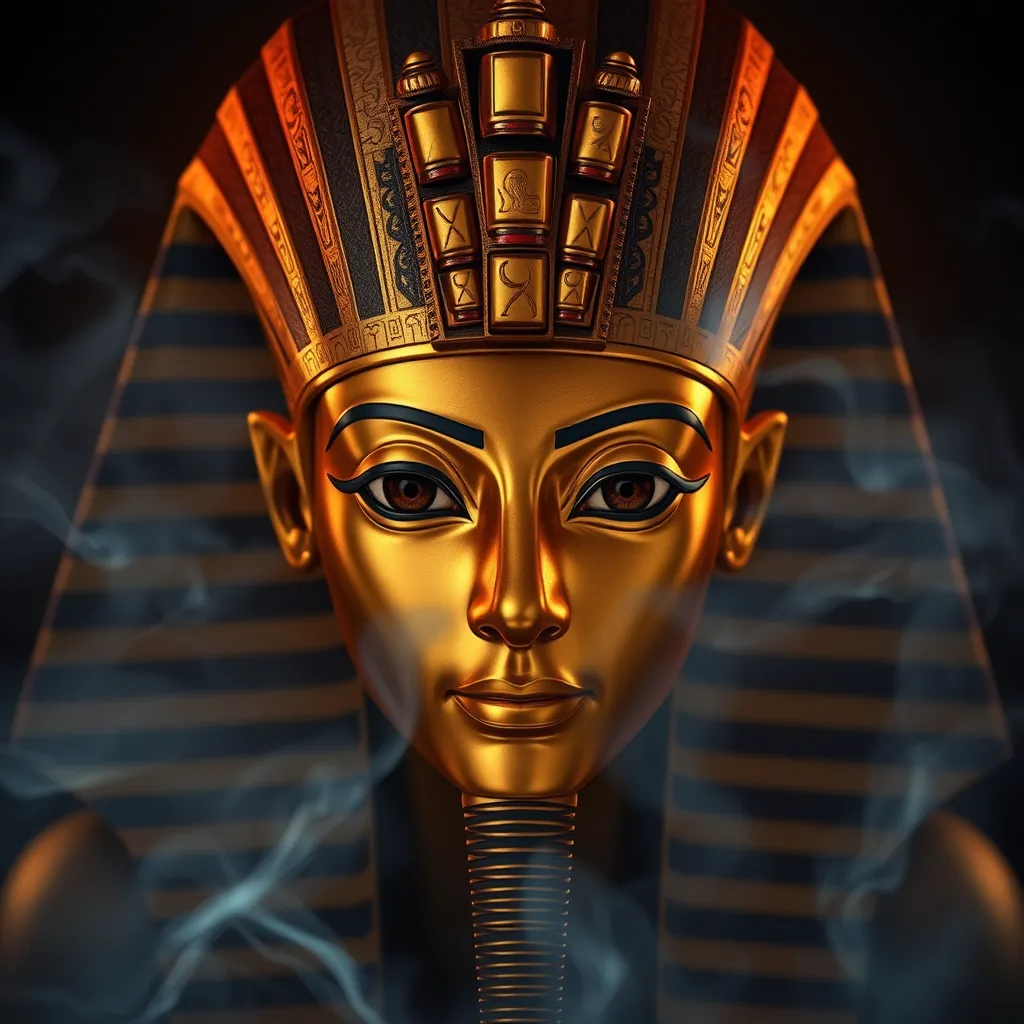
Notable tombs, such as that of Tutankhamun, discovered in 1922 by Howard Carter, have provided invaluable insights into the burial customs and material culture of ancient Egypt. The treasures found within, including the famous golden mask, highlight the artistry and wealth associated with the Pharaohs.
IV. Hieroglyphics: The Language of the Gods
Hieroglyphics, the writing system of ancient Egypt, served as a crucial means of communication and record-keeping. This intricate script, composed of symbols and characters, was used for religious texts, monumental inscriptions, and administrative documents.
The deciphering of hieroglyphs was revolutionized in the early 19th century with the discovery of the Rosetta Stone. This artifact, inscribed with the same text in three scripts—Greek, Demotic, and hieroglyphic—allowed scholars to unlock the secrets of ancient Egyptian writing.
The messages conveyed through hieroglyphics reveal much about the Pharaohs’ reigns. Inscriptions often depicted their achievements, divine connections, and military victories. They serve as historical records that illuminate the governance, culture, and beliefs of ancient Egypt.
V. The Pharaohs’ Legacy: Art, Culture, and Innovations
The contributions of the Pharaohs extend beyond governance; they significantly influenced art, culture, and innovations in ancient Egypt. The grandeur of their monuments, sculptures, and paintings reflects a sophisticated understanding of aesthetics and symbolism.
- Art and Architecture: The construction of temples like Karnak and Luxor, adorned with intricate carvings and hieroglyphs.
- Scientific Advances: Innovations in mathematics and engineering, essential for building the pyramids and other structures.
- Medicine: The Egyptians made significant strides in medical practices, documented in texts like the Ebers Papyrus.
Moreover, the Pharaohs played a pivotal role in fostering culture and religion, promoting the worship of deities, and establishing festivals that celebrated their pantheon. This cultural richness has left an indelible mark on the history of civilization.
VI. Modern Discoveries: Archaeological Revelations
Recent archaeological findings continue to reshape our understanding of the Pharaohs and their society. Discoveries in the Valley of the Kings, as well as tombs in Saqqara and Luxor, have unveiled new artifacts and insights into the lives of these ancient rulers.
Technological advancements in Egyptology, such as ground-penetrating radar and 3D imaging, are enhancing our ability to explore and document archaeological sites without disturbing them. These technologies have led to remarkable discoveries, including hidden chambers and previously unknown tombs.
Case studies of major archaeological discoveries, such as the tomb of Nefertari, the wife of Ramses II, and the recent unearthing of a lost golden city near Luxor, exemplify how modern research continues to uncover the rich tapestry of ancient Egyptian history.
VII. Myths and Misconceptions: Separating Fact from Fiction
Throughout history, numerous myths and misconceptions have surrounded the Pharaohs and their reigns. Common beliefs, such as the idea that all Egyptians were enslaved to build the pyramids, often oversimplify the complexities of ancient society.
The impact of popular culture, from films to literature, has further perpetuated these misconceptions. While captivating, many portrayals of ancient Egypt do not accurately reflect historical realities.
Scholarly insights challenge traditional narratives, emphasizing the diversity of ancient Egyptian society and the varying experiences of its people. Understanding the nuanced history of the Pharaohs requires a careful examination of archaeological evidence and historical texts.
VIII. Conclusion
The enduring fascination with the Pharaohs continues to captivate people around the world. Their legacy, marked by monumental achievements and profound cultural contributions, remains a testament to the ingenuity of ancient Egypt.
As research and discoveries persist, the importance of understanding the Pharaohs and their impact on civilization only grows. Continued exploration of ancient Egypt promises to unveil more secrets and enrich our knowledge of this remarkable civilization.
In conclusion, the whispers of the Pharaohs echo through time, reminding us of their divine reign and the rich tapestry of history that they wove. Their legacy lives on, inspiring awe and admiration in the modern world.