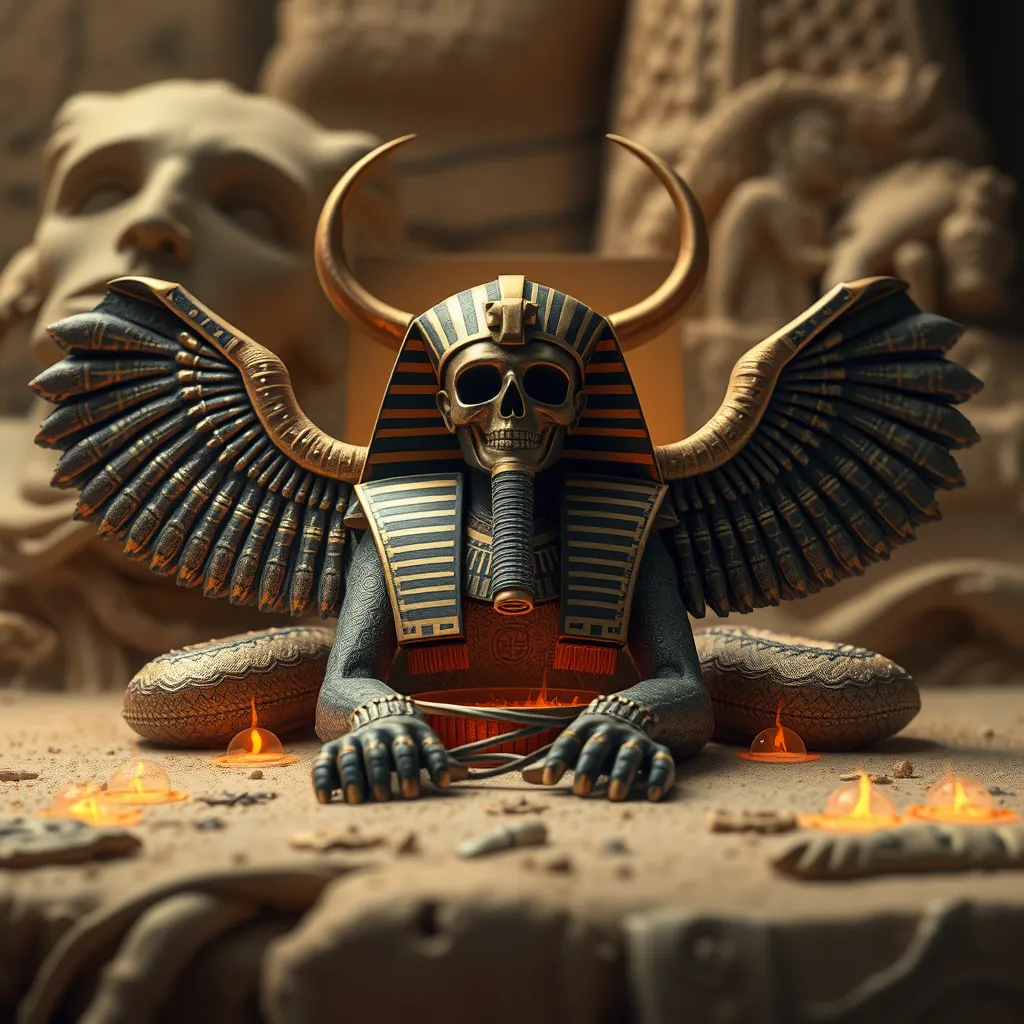
The Whispers of the Dead: Exploring Egyptian Divination and Necromancy
I. Introduction
Divination and necromancy are two fascinating practices deeply rooted in the cultural and religious fabric of ancient Egypt. Divination, the art of seeking knowledge from the divine, often involved interpreting signs and omens, while necromancy, the practice of communicating with the dead, sought to bridge the gap between the living and the deceased. Together, these practices reveal the Egyptians’ profound understanding of life, death, and the cosmos.
The importance of divination and necromancy in ancient Egyptian culture cannot be overstated. They were not merely superstitions but integral components of a worldview that emphasized harmony with the divine. This article aims to explore the historical context, methods, symbols, and legacy of these practices, providing a comprehensive overview of how they shaped ancient Egyptian society.
II. Historical Context of Egyptian Divination
A. Origins of divination in ancient Egypt
Divination in ancient Egypt has origins that stretch back thousands of years, intertwined with the development of their religious beliefs. Early texts suggest that the Egyptians believed the gods communicated their will through various signs, prompting the need for divinatory practices.
B. Key historical figures and texts related to divination
Prominent figures in Egyptian history, such as the high priests and priestesses, played critical roles in divination. Texts like the “Book of Thoth” and the “Egyptian Book of the Dead” contain references to divinatory practices, illustrating their significance in interpreting the divine will.
C. The role of priests and priestesses in divinatory practices
Priests and priestesses were the primary practitioners of divination. They were trained in the sacred arts, often interpreting dreams and conducting rituals to seek guidance from the gods. Their status as intermediaries allowed them to wield considerable influence in society.
III. Forms of Divination in Ancient Egypt
A. Methods used for divination
The methods of divination in ancient Egypt were varied and rich. Some of the most notable included:
- Casting lots: This involved drawing lots or using objects to determine divine messages.
- Dream interpretation: Dreams were considered direct messages from the divine, and skilled interpreters could unveil their meanings.
- Augury: Observing the behavior of birds and animals for signs was a common practice.
B. The significance of omens and signs from the gods
Omen interpretation played a crucial role in Egyptian divination. Events such as eclipses, natural disasters, or unusual animal behavior were seen as messages from the gods, often interpreted by priests to guide royal decisions or public actions.
C. Case studies of notable divinatory events in Egyptian history
One notable case is the interpretation of a dream by Pharaoh Amenhotep III, which foretold the coming of a significant event. Such instances showcase the perceived power of divination in influencing governance and societal direction.
IV. Necromancy: The Communication with the Dead
A. Definition and distinction from other forms of magic
Necromancy, distinct from general magical practices, specifically involves summoning and communicating with the spirits of the deceased. This practice was often viewed with a mix of reverence and fear, as it dealt with the unknown realms of the afterlife.
B. Historical references to necromancy in Egyptian texts
Ancient texts, including the “Book of the Dead,” contain references to necromantic rituals, illustrating the Egyptians’ belief in the ability to contact the dead for guidance or knowledge.
C. Rituals and practices associated with communicating with the deceased
Rituals often involved offerings, prayers, and the use of specific incantations aimed at invoking the spirits of the dead. These practices were believed to ensure that the deceased would provide insight or assistance to the living.
V. The Role of the Afterlife in Egyptian Beliefs
A. Overview of Egyptian beliefs about the afterlife and the journey of the soul
The afterlife was central to ancient Egyptian belief, with the soul’s journey after death being a complex process involving judgment, transition, and potential immortality. The heart was weighed against the feather of Ma’at to determine one’s fate.
B. The importance of mummification and burial practices
Mummification was a critical aspect of Egyptian funerary practices, aimed at preserving the body for the afterlife. Elaborate burial rituals were designed to honor the deceased and ensure a safe passage to the next world.
C. How these beliefs influenced necromantic practices
Beliefs about the afterlife heavily influenced necromantic practices. The desire to communicate with the dead was rooted in the understanding that the deceased could still impact the living, making necromancy a means to seek wisdom and guidance.
VI. Symbolism and Tools Used in Divination and Necromancy
A. Common symbols and their meanings in Egyptian practices
Symbols held profound meanings in Egyptian practices. Common symbols included:
- The ankh: Symbolizing life and immortality.
- The scarab: Representing rebirth and protection.
- The Eye of Horus: A symbol of protection and royal power.
B. Tools used by diviners and necromancers
Practitioners of divination and necromancy employed various tools, including:
- Staves: Often used to channel divine energy.
- Amulets: Believed to provide protection and enhance spiritual connection.
- Sacred texts: Inscriptions and scrolls containing spells and instructions for rituals.
C. The significance of sacred texts and inscriptions
Sacred texts were essential in guiding the practices of divination and necromancy. They provided instructions, invocations, and prayers necessary for successful rituals, reflecting the interconnectedness of language and power in ancient Egyptian belief systems.
VII. The Legacy of Egyptian Divination and Necromancy
A. Influence on later cultures and practices
The influence of Egyptian divination and necromancy extended beyond ancient Egypt, impacting Greco-Roman practices and modern spiritual traditions. Elements of Egyptian belief systems can be seen in later esoteric practices and philosophies.
B. The portrayal of Egyptian divination and necromancy in popular media
Modern depictions of Egyptian divination and necromancy in films, literature, and art often romanticize these practices, contributing to a broader fascination with ancient Egyptian culture. These portrayals, while sometimes exaggerated, highlight the intrigue surrounding these ancient traditions.
C. Ongoing interest and research in contemporary Egyptology
Contemporary Egyptology continues to explore the complexities of ancient Egyptian practices, with ongoing research shedding light on the nuances of divination and necromancy. This growing field of study reflects a renewed interest in understanding the beliefs and practices of this remarkable civilization.
VIII. Conclusion
The exploration of Egyptian divination and necromancy reveals a rich tapestry of beliefs and practices that shaped the ancient world. These traditions provided a framework for understanding the mysteries of life and death, highlighting the Egyptians’ quest for knowledge and connection with the divine.
As we reflect on the enduring fascination with these ancient practices, it becomes evident that the whispers of the dead continue to echo through time, inviting us to delve deeper into the mysteries of the past. The call for further exploration and understanding of these traditions remains as relevant today as it was in ancient times.