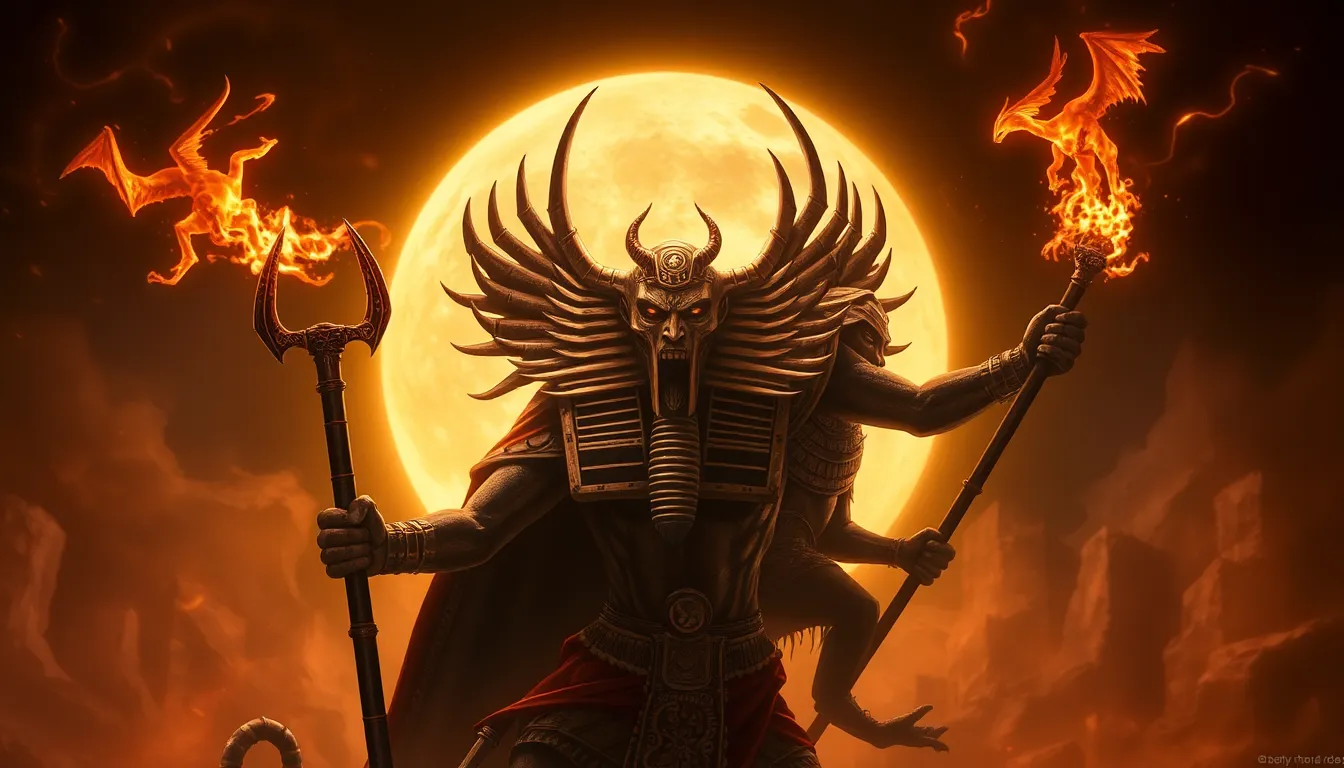
The Vengeful Spirits: Egyptian Myths of Retribution
I. Introduction
Egyptian mythology, rich with tales of gods, goddesses, and the afterlife, plays a significant role in understanding the ancient Egyptian worldview. It offers insights into their beliefs, values, and the moral compass that guided their society. Central to these beliefs is the concept of retribution, where actions in life have direct consequences in the afterlife.
This article explores the myths surrounding vengeful spirits in ancient Egyptian culture, shedding light on how these narratives shaped their perceptions of justice, morality, and the afterlife.
II. The Nature of the Afterlife in Ancient Egypt
The ancient Egyptians held a profound belief in the afterlife, viewing it as a continuation of life on earth. They believed that after death, individuals would undergo a judgment process to determine their fate in the afterlife.
A. Beliefs surrounding the afterlife and judgment
The journey to the afterlife involved various trials, culminating in the weighing of the heart against the feather of Ma’at, symbolizing truth and justice. A heart that balanced with the feather indicated a life lived in harmony with Ma’at, leading to a peaceful afterlife.
B. The role of deities in the judgment process
Key deities such as Osiris, the god of the afterlife, and Anubis, the god of mummification and the dead, played crucial roles in this judgment. Osiris presided over the final judgment, while Anubis guided souls through the process.
C. Consequences of wrongful actions in life
For those who led a life of wrongdoing, the consequences were dire. The devourer of souls, Ammit, awaited to consume the hearts of the unworthy, condemning them to eternal oblivion.
III. The Role of Ma’at: Order and Justice
Ma’at, the goddess of truth, balance, and order, was central to the concept of justice in ancient Egypt. Her principles governed both the earthly realm and the afterlife.
A. Explanation of Ma’at and her significance in Egyptian culture
Ma’at represented the ideal state of the universe, where chaos was subdued, and harmony prevailed. Her presence was essential for the prosperity of the land and the well-being of its people.
B. The balance of chaos and order in the afterlife
In the afterlife, the balance maintained by Ma’at determined whether a soul could proceed to the Field of Reeds, a paradise for the virtuous, or face punishment for their misdeeds.
C. How Ma’at influences the actions of vengeful spirits
Vengeful spirits often acted as agents of Ma’at, restoring order by punishing those who disrupted the balance through their wrongful actions.
IV. Notable Vengeful Spirits in Egyptian Mythology
Numerous myths recount the tales of vengeful spirits, each illustrating the consequences of immoral behavior.
A. The story of Osiris and the vengeance of Isis
One of the most famous tales is that of Osiris, who was murdered by his brother Set. Isis, his devoted wife, sought vengeance for his death. Through her determination, she resurrected Osiris, allowing him to rule the afterlife and seek justice for the wrongs committed against him.
B. Set: The embodiment of chaos and retribution
Set, the god of chaos, is often viewed as a vengeful spirit himself. After killing Osiris, he represented the chaotic forces that disrupt order, and his actions triggered a series of events that led to his own downfall and the restoration of Ma’at.
C. The wrath of the goddess Sekhmet and her quest for vengeance
Sekhmet, the lioness goddess, was known for her fierce nature and vengeful spirit. Tasked with punishing humanity for their disobedience, her rampage was only stopped through clever means, illustrating the delicate balance of vengeance and mercy in Egyptian belief.
V. Common Themes in Myths of Retribution
The myths of vengeful spirits often share common themes that reflect the ancient Egyptians’ understanding of morality and justice.
A. The cycle of death and rebirth in the context of vengeance
Many stories illustrate a cycle where death leads to rebirth, often through acts of vengeance that restore balance. This cycle reflects the belief in renewal and the possibility of redemption.
B. The moral implications of vengeance in ancient stories
- Vengeance was often justified in the pursuit of justice.
- The consequences of vengeance could lead to further chaos, emphasizing the need for balance.
C. The relationship between humans and deities in acts of retribution
Humans were seen as accountable for their actions, with the deities serving as enforcers of moral codes and arbiters of justice.
VI. The Cultural Impact of Vengeful Spirits
The myths of vengeful spirits have left a lasting impact on various aspects of Egyptian culture.
A. Influence on art, literature, and architecture
These stories inspired numerous artistic expressions, from temple reliefs depicting deities in acts of vengeance to literary works exploring themes of justice and morality.
B. The lasting legacy of these myths in modern culture
Elements of Egyptian mythology continue to influence contemporary works, including films, literature, and art, as themes of vengeance and justice remain relevant.
C. Comparative analysis with other cultures’ concepts of vengeance
Similar to other cultures, such as Greek and Norse mythologies, the Egyptian tales of retribution explore the complexities of justice, showcasing how different societies interpret the need for balance between order and chaos.
VII. Lessons from Ancient Egyptian Myths of Retribution
The myths of vengeful spirits provide moral and ethical teachings that resonate even in today’s society.
A. Moral and ethical teachings embedded in the myths
These stories emphasize the importance of living a just life, highlighting the consequences of one’s actions and the need for accountability.
B. The relevance of these lessons in contemporary society
In a world where justice can often feel elusive, the lessons from these myths remind us of the importance of integrity and the pursuit of truth.
C. Reflections on justice and revenge in modern contexts
Modern discussions around justice often echo these ancient themes, questioning the morality of revenge and the complexities of achieving true justice.
VIII. Conclusion
Vengeful spirits play a crucial role in Egyptian mythology, embodying the principles of retribution and justice that were central to ancient Egyptian beliefs. Through their stories, we gain insight into the moral fabric of their society and the lessons that continue to resonate today.
As we explore these myths further, we invite readers to reflect on the significance of retribution in their own lives and the timeless nature of these ancient narratives.