The Temple of the Nile: Exploring the Edfu Complex
I. Introduction
The Temple of Edfu, dedicated to the falcon god Horus, stands as one of the best-preserved and most significant temples of ancient Egypt. Located on the west bank of the Nile, the temple is a testament to the religious and architectural prowess of the Ptolemaic period. Its grandeur and historical context highlight the importance of the Temple of the Nile in Egyptian mythology.
This article aims to explore the historical significance, architectural features, religious importance, artistic elements, archaeological discoveries, and modern relevance of the Edfu Temple, providing a comprehensive understanding of this magnificent structure.
II. Historical Context
The Edfu Temple was constructed during the Ptolemaic period, a time when Greek and Egyptian cultures merged following the conquests of Alexander the Great. This era saw a revival of ancient Egyptian religious practices and monumental architecture, with rulers seeking to legitimize their reigns by aligning themselves with traditional deities.
The founding of the Edfu Temple dates back to 237 BCE, commissioned by Ptolemy III Euergetes. Its construction took nearly two decades, culminating in its dedication in 57 BCE. The temple not only served as a place of worship but also played a crucial role in the religious landscape of ancient Egypt, reinforcing the worship of Horus and the associated mythology.
III. Architectural Features of the Edfu Temple
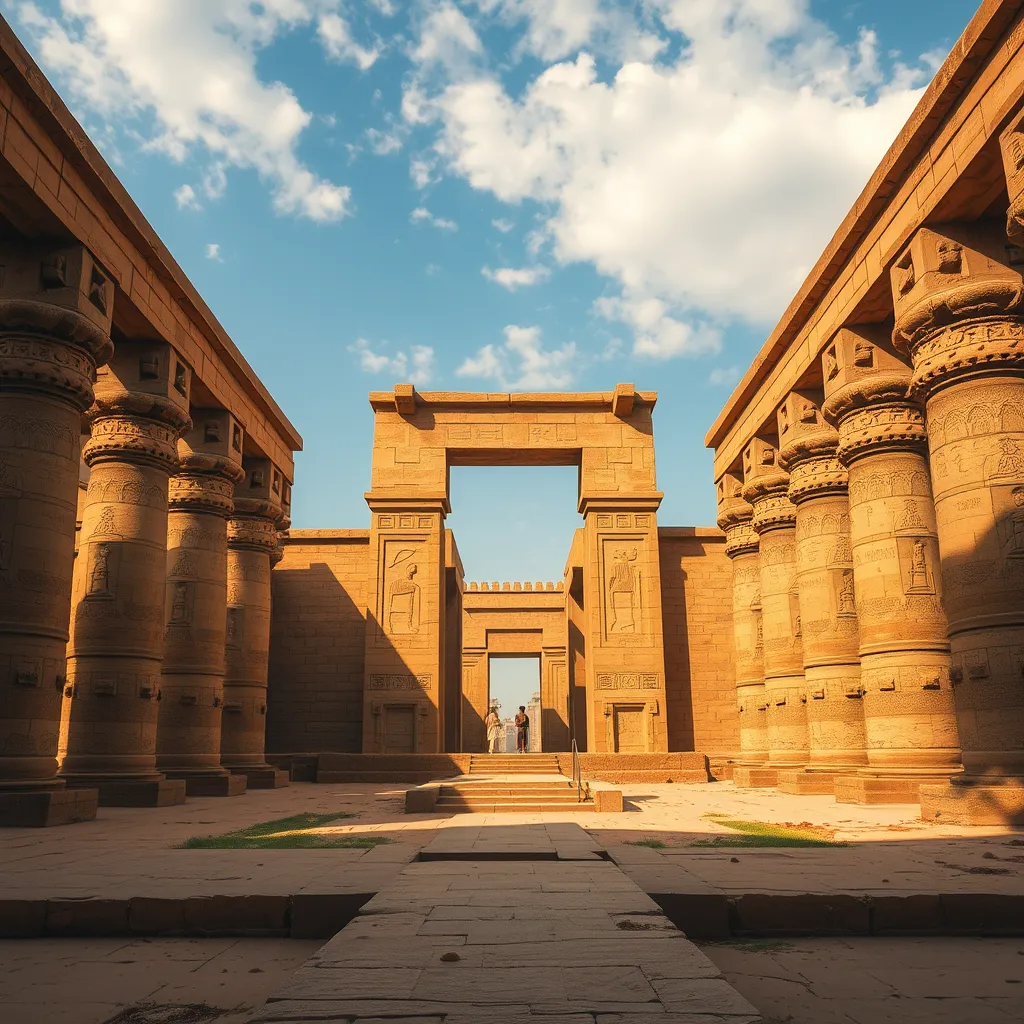
The layout of the Edfu Temple is a remarkable example of ancient Egyptian temple design. It features a classic hypostyle hall, a sanctuary, and several courtyards, all adorned with intricate carvings and hieroglyphs. The temple complex is oriented towards the Nile, reflecting the importance of the river in Egyptian life.
Notable architectural innovations include:
- Massive stone walls, richly decorated with reliefs
- A towering entrance pylon, adorned with scenes of Horus
- Complex chambers and sanctuaries designed for specific rituals
When compared to other major temples, such as Karnak and Luxor, the Edfu Temple is distinguished by its level of preservation and the richness of its iconography, providing invaluable insights into the religious practices of the time.
IV. Mythology and Religious Significance
The worship of Horus was central to the temple’s purpose. Horus, often depicted as a falcon, was associated with kingship and the sky, symbolizing protection and power. The temple served as a site for various rituals, including the reenactment of the mythological battles between Horus and Seth, the god of chaos.
Strategically located along the Nile, the Edfu Temple was integral to the agricultural cycle and the flooding of the Nile, which was viewed as a divine blessing. The temple played a crucial role in the annual festivals celebrating Horus, drawing pilgrims from far and wide to partake in the sacred ceremonies.
V. Artistic Elements and Inscriptions
The artistic elements of the Edfu Temple are among its most captivating features. The walls are adorned with intricate carvings that depict various deities, mythological scenes, and the pharaoh engaging in rituals.
Key aspects of the temple’s iconography include:
- Reliefs illustrating the myth of Horus and Seth
- Hieroglyphs that record the temple’s history and religious significance
- Symbolic representations of the natural world, reflecting the Egyptians’ reverence for nature
The inscriptions found within the temple provide crucial historical context, documenting religious practices and the political landscape of the time. Preservation efforts are ongoing, as weathering and pollution threaten these invaluable artworks.
VI. Archaeological Discoveries
Excavations at the Edfu site have yielded a wealth of archaeological findings, shedding light on ancient Egyptian life and religious practices. Significant discoveries include:
- Sacred artifacts used in rituals
- Tools and everyday items that reveal the daily life of temple priests
- Burial sites of sacred animals, particularly falcons
Notable archaeological missions, such as those led by the French Egyptologist Auguste Mariette in the 19th century, have significantly contributed to our understanding of the temple’s history. Current research continues to explore the site, focusing on uncovering more about the daily operations and rituals that took place within the temple.
VII. The Edfu Temple in Modern Times
Today, Edfu is a popular tourist destination, attracting visitors eager to explore its ancient wonders. The temple offers a unique experience, allowing tourists to witness the grandeur of ancient Egyptian architecture and its intricate artistry.
Conservation efforts are critical to preserving the temple complex for future generations. These initiatives aim to protect the site from environmental damage and the impacts of tourism. Efforts include:
- Restoration of damaged structures
- Monitoring air quality and humidity levels
- Implementing sustainable tourism practices
While tourism provides economic benefits to the local community, it also poses challenges, such as potential damage to the site and the need for infrastructure improvements to accommodate visitors.
VIII. Conclusion
The Edfu Temple, as a significant monument of ancient Egypt, encapsulates the rich history, culture, and religious practices of its time. Its architectural grandeur and artistic heritage make it a symbol of the Ptolemaic period’s reverence for ancient traditions.
Looking ahead, ongoing research and preservation efforts are essential to maintaining the temple’s integrity and ensuring that future generations can appreciate its historical significance. The Temple of the Nile stands as a testament to the enduring legacy of ancient Egyptian civilization, inviting us to explore the depths of its mythology and history.