The Temple of Isis: A Study in Devotion
I. Introduction
The Temple of Isis, located on the island of Philae in Egypt, stands as a testament to the devotion and reverence of ancient Egyptians toward the goddess Isis. This site not only exemplifies the religious fervor of its time but also highlights the significance of Isis in various ancient cultures. As a goddess of fertility, motherhood, and magic, Isis played a crucial role in the spiritual lives of many. This study aims to explore the historical context, architectural features, rituals, and the enduring legacy of the Temple of Isis, providing insights into its importance in ancient Egyptian society.
II. Historical Context
The origins of the Temple of Isis can be traced back to the Ptolemaic period, around 280 BCE. It was during this time that the worship of Isis expanded, influenced by both Egyptian traditions and the Hellenistic culture that emerged following Alexander the Great’s conquests. The temple served not only as a place of worship but also as a cultural center where Egyptian and Greek traditions intertwined.
A. Origins of the Temple of Isis
Constructed by the Ptolemaic rulers, the Temple of Isis was part of a larger complex dedicated to the goddess. Its strategic location on Philae Island made it a prominent pilgrimage site, accessible to worshippers who sought the blessings of Isis.
B. Role of the temple in ancient Egyptian society
The Temple of Isis was central to the religious life of ancient Egyptians. It was a place where individuals could seek guidance, participate in rituals, and celebrate festivals dedicated to the goddess. The temple also played a key role in the political landscape, often receiving patronage from the ruling elite.
C. Influence of Hellenistic culture on the worship of Isis
With the arrival of Hellenistic culture, the worship of Isis evolved. The goddess was increasingly associated with Greek deities, and her iconography began to reflect a blend of Egyptian and Greek artistic styles. This syncretism allowed her worship to flourish and expand beyond Egypt’s borders, influencing cultures throughout the Mediterranean.
III. Architectural Features
The architectural design of the Temple of Isis is a remarkable example of ancient Egyptian craftsmanship. The temple complex includes various structures, each meticulously designed to honor the goddess and facilitate worship.
A. Design and layout of the Temple of Isis
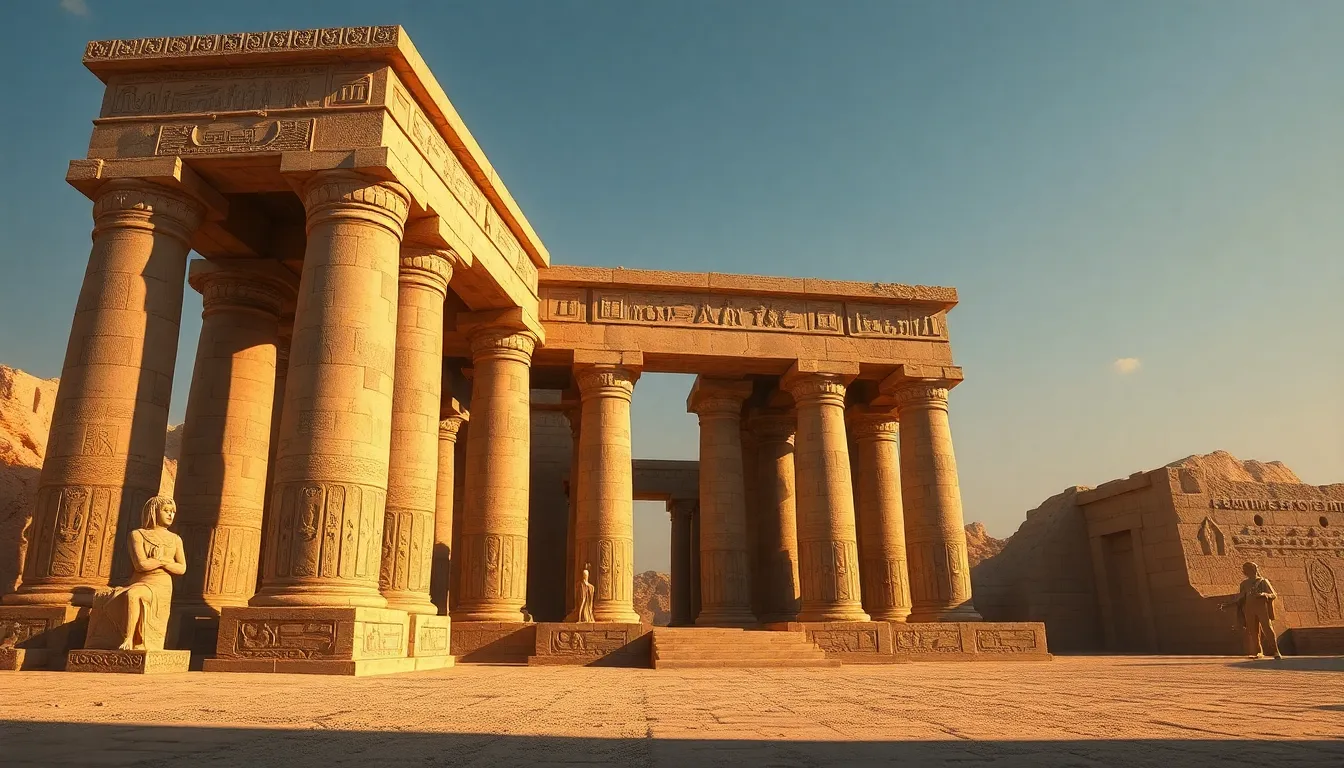
The temple features a forecourt, a hypostyle hall, and a sanctum where the statue of Isis was housed. The layout is typical of Ptolemaic temples, emphasizing an axial arrangement leading to the innermost sanctuary. The use of columns, adorned with detailed carvings, creates a majestic atmosphere that reflects the grandeur of the goddess.
B. Iconography and symbolism in temple art
Throughout the temple, various symbols and images represent Isis, including:
- The throne, signifying her role as a queen and mother.
- The ankh, symbolizing life and immortality.
- Scenes depicting her mythical narratives, particularly those involving her son Horus and her husband Osiris.
C. Construction techniques and materials used
The temple was primarily constructed from granite, a durable material that allowed for intricate carvings and longevity. The construction techniques employed by ancient Egyptian builders are still admired today, showcasing their architectural expertise.
IV. Rituals and Practices
Rituals and practices at the Temple of Isis were integral to the worshippers’ spiritual lives. These activities not only honored the goddess but also reinforced the community’s cultural identity.
A. Daily rituals performed at the temple
Every day, priests conducted rituals to maintain the favor of Isis. These included:
- Offering food and incense.
- Reciting prayers and hymns.
- Performing purification rites.
B. Festivals and special events honoring Isis
Major festivals, such as the Mysteries of Isis, drew large crowds and involved elaborate processions, music, and dancing. These celebrations not only honored the goddess but also reinforced community bonds.
C. Role of priests and priestesses in temple activities
The priests and priestesses held significant authority within the temple. They were responsible for:
- Conducting rituals and ceremonies.
- Maintaining the temple and its offerings.
- Interpreting the will of the goddess.
V. Theological Significance
The goddess Isis occupies a central role in Egyptian mythology. Her attributes and the myths surrounding her reflect the complexities of life and death, love and loss.
A. The nature of Isis as a goddess
Isis is often depicted as a nurturing figure, embodying motherhood and fertility. She is also a powerful symbol of resurrection and healing, which made her worship particularly appealing in times of personal or communal distress.
B. Myths and stories associated with Isis
Numerous myths highlight her significance, including:
- The resurrection of Osiris, her husband, after his murder by Set.
- The protection and upbringing of her son Horus, who eventually avenges his father’s death.
C. The temple’s role in the promotion of Isis’s worship
The Temple of Isis served as a focal point for her worship, helping to disseminate her stories and attributes throughout the region. The temple’s rituals and festivals played a vital role in keeping the goddess’s legacy alive.
VI. Pilgrimage and Devotion
Pilgrimage to the Temple of Isis was an important aspect of worship, attracting devotees from far and wide.
A. Importance of pilgrimage to the Temple of Isis
For many, visiting the temple was a sacred journey that allowed them to connect with the divine. Pilgrims sought blessings, healing, and guidance from Isis.
B. Accounts of devotees and their experiences
Devotees often shared stories of miraculous events associated with their visits, describing feelings of peace, healing, and spiritual enlightenment during their time at the temple.
C. The temple as a center for spiritual healing and guidance
The Temple of Isis was known for its healing practices, where individuals sought the goddess’s intercession for various ailments. Rituals performed by priests often included herbal remedies, prayers, and sacred music.
VII. The Decline and Legacy of the Temple
Despite its prominence, the Temple of Isis eventually faced decline due to various historical factors.
A. Factors leading to the decline of the temple’s prominence
The rise of Christianity and the subsequent decline of pagan practices led to the temple’s reduced significance. Additionally, political changes in Egypt further contributed to its downfall.
B. Archaeological findings and preservation efforts
Archaeological excavations have revealed much about the temple’s history, and preservation efforts continue to ensure that this cultural heritage is not lost. Modern technology aids in the reconstruction and understanding of its historical context.
C. The legacy of the Temple of Isis in modern spirituality
The Temple of Isis continues to inspire contemporary spiritual practices. The goddess is often invoked in modern paganism and other spiritual movements, reflecting her enduring influence.
VIII. Conclusion
In summary, the Temple of Isis represents a significant aspect of ancient Egyptian culture and spirituality. Its rich history, architectural beauty, and the profound impact of its rituals reflect the deep devotion of its worshippers. The legacy of the Temple of Isis lives on, influencing modern spiritual practices and continuing to inspire those who seek connection with the divine. Future research may uncover further insights into the temple’s impact on ancient and modern belief systems, ensuring that the story of Isis remains a vibrant part of our cultural narrative.