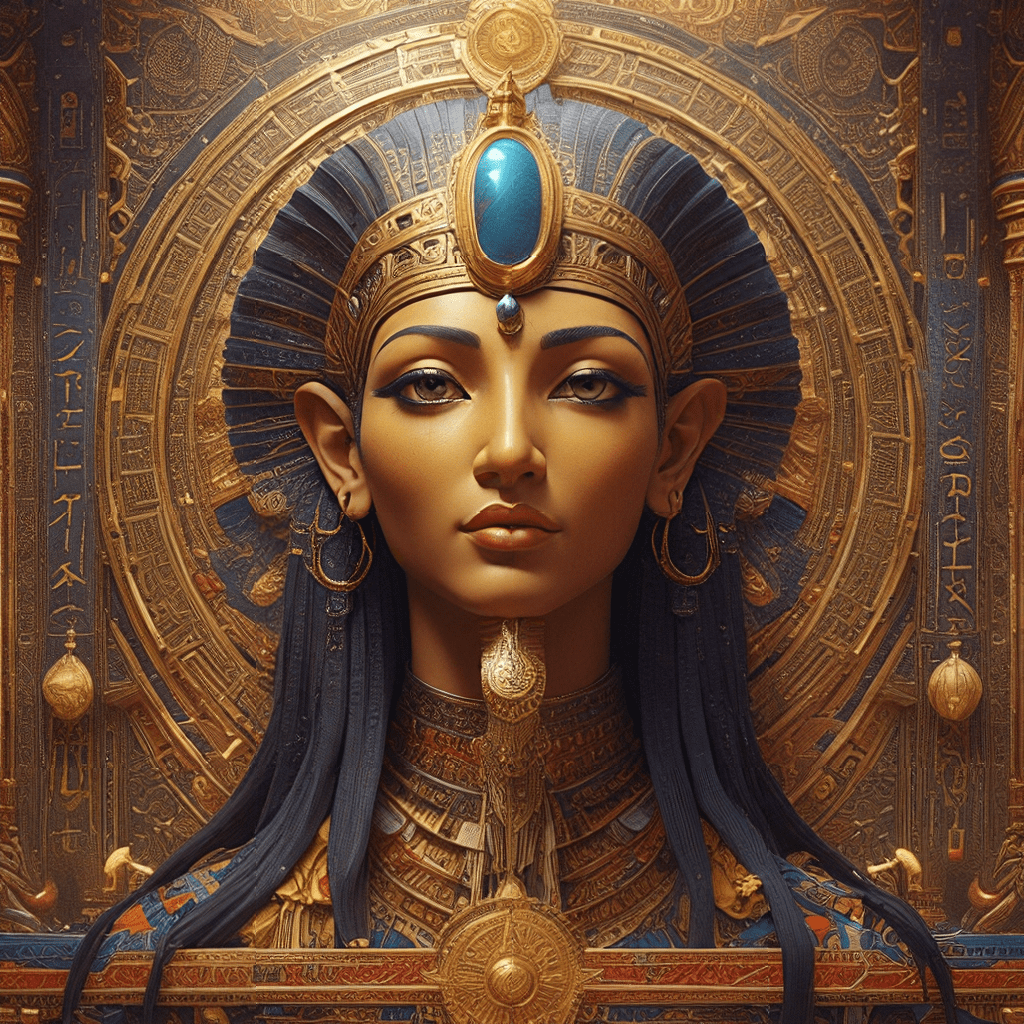
The Tapestry of Time: A Journey Through the Festival of Thoth
1. Thoth: The God of Wisdom and Time
In the ancient Egyptian pantheon, Thoth stood as a towering figure, revered as the god of wisdom, knowledge, and the moon. He was the divine scribe, the keeper of secrets and the architect of the calendar. His association with writing, magic, and the moon solidified his connection to the essence of time itself. Thoth’s celestial role was intertwined with the lunar cycle, which Egyptians believed marked the passage of time and influenced the rhythms of life.
As the inventor of hieroglyphs, Thoth gifted humanity the power of language and its ability to record knowledge. His wisdom extended to the realm of magic and divination, guiding the Pharaohs and priests with his knowledge of the universe. His presence was felt in every aspect of Egyptian life, from the construction of temples to the recording of history.
Ancient Egyptians viewed Thoth as a central figure in their mythology. He played a prominent role in numerous creation myths, including the story of how he helped the sun god Ra to defeat the serpent Apophis. His importance as a deity is reflected in the many temples dedicated to him across Egypt, indicating both his power and the reverence with which he was held.
2. The Festival of Thoth: A Celebration of Knowledge and Renewal
The Festival of Thoth, also known as the “Feast of Thoth,” was a significant celebration in the ancient Egyptian calendar. This festival held deep spiritual and cultural importance, serving as a time to honor Thoth’s role as the keeper of knowledge, the guide to wisdom, and the architect of time.
Celebrated in the month named after him, Thoth, the festival usually took place during the autumn equinox. The exact duration of the festival is not clearly documented, but it likely lasted for several days. During this period, Egyptians participated in various rituals and celebrations designed to honor the god and seek his blessings.
The Festival of Thoth was more than just a religious observance. It was a time for reflection, self-improvement, and renewal. Egyptians believed that by honoring Thoth, they could tap into his wisdom, gain knowledge, and align themselves with the natural cycles of time. This festival embodied the Egyptian belief in the interconnectedness of knowledge, time, and the divine.
3. Rituals and Celebrations: A Tapestry of Tradition
The Festival of Thoth was a vibrant spectacle filled with intricate rituals and celebratory traditions. As the central figure in the celebration, the god’s image, often depicted as a baboon, was carried in a grand procession. This symbolic journey through time, with music, dance, and chanting, represented Thoth’s wisdom guiding the people in their pursuit of knowledge and understanding.
Another important part of the festivities involved offering sacrifices and prayers to Thoth, seeking his blessings for wisdom, knowledge, and a fruitful year. These offerings included food, incense, and precious metals, reflecting the Egyptians’ deep respect and gratitude for Thoth’s divine gifts.
The celebrations included sacred dances, music, and theatrical performances that depicted stories from Egyptian mythology, particularly those featuring Thoth. These events would have served to entertain, educate, and inspire the people, reinforcing the importance of Thoth’s wisdom in their lives.
The festival also provided a platform to recite ancient texts and stories passed down through generations. This practice ensured the preservation of knowledge, history, and cultural traditions, reinforcing Thoth’s role as the guardian of wisdom.
4. The Role of the Scribes: Keepers of Time and Knowledge
The scribes played a crucial role in ancient Egypt, acting as the keepers of knowledge and records. They were the guardians of history, culture, and tradition, ensuring the continuity of knowledge across generations. Their connection to Thoth was profound, as he was considered the patron of scribes and the inventor of writing.
The scribes were responsible for recording events, maintaining administrative records, and preserving important texts. Their skills in hieroglyphic writing allowed them to capture the essence of time in written form, making it tangible and accessible. Their influence extended to all aspects of Egyptian life.
During the Festival of Thoth, the scribes played a key role in the celebrations, often participating in the processions, reciting ancient texts, and performing rituals. Their presence underscored the importance of their profession and their role in preserving and expanding the legacy of knowledge passed down from Thoth himself.
5. The Moon’s Influence: A Symbol of Time’s Cycle
The moon held immense significance in ancient Egyptian culture, and its connection to Thoth was profound. The lunar cycle, with its phases of waxing and waning, was seen as a reflection of the natural cycles of time and a symbol of renewal. Egyptians believed that Thoth, as the god of the moon, governed the lunar cycle and controlled the flow of time.
The moon’s influence on the Festival of Thoth was significant. The timing of the festival coincided with the autumn equinox, a time when the moon’s phases shifted, emphasizing the cyclicality of time and renewal. The rituals and celebrations incorporated elements of the lunar cycle, highlighting its importance in their understanding of the world and the cosmos.
The moon, as a celestial guide, acted as a reminder of the constant passage of time. It served as a symbol of growth, decay, and the cyclical nature of existence. During the Festival of Thoth, Egyptians would look to the moon as a symbol of hope and a reminder of the ongoing cycle of life, death, and rebirth.
6. The Significance of Writing: Shaping the Tapestry of Time
The invention of hieroglyphs, a gift from Thoth to humanity, revolutionized Egyptian society. This system of writing enabled them to record knowledge, preserve history, and communicate across generations. Writing became a powerful tool for shaping the tapestry of time, allowing Egyptians to leave their mark on history and transmit their cultural heritage.
The festival, with its emphasis on knowledge, tradition, and learning, highlighted the importance of writing in the lives of the Egyptians. The scribes, as the keepers of knowledge, would have played a vital role in the ceremonies, reciting ancient texts and preserving the legacy of Thoth.
Writing gave Egyptians the ability to preserve their beliefs, rituals, and history. It allowed them to connect with their ancestors and pass down knowledge to future generations. During the Festival of Thoth, this power of writing was celebrated, acknowledging its role in shaping the course of time and transmitting wisdom across ages.
7. The Festival’s Impact: A Celebration of Learning and Growth
The Festival of Thoth was not solely a religious observance; it was a celebration of learning and a reminder of the importance of continuous growth and self-improvement. It inspired people to seek knowledge, improve their understanding of the world, and align themselves with the natural cycles of time.
The festival provided an opportunity for reflection, allowing individuals to evaluate their progress, acknowledge their shortcomings, and commit to personal growth. By honoring Thoth, the god of wisdom, they sought his guidance and blessings to navigate the path of knowledge and achieve greater understanding.
The Festival of Thoth, with its emphasis on knowledge, wisdom, and the cycles of time, had a profound impact on ancient Egyptian society. It served as a reminder of the interconnectedness of all things, the importance of learning, and the need for continuous growth and renewal. The lasting legacy of this celebration lives on in the countless texts, monuments, and traditions that have shaped Egyptian culture and continue to inspire us today.