The Symbolism of the Vulture in Tomb Texts
I. Introduction
Throughout ancient cultures, tomb texts served as vital components of funerary practices, offering insights into beliefs about the afterlife and the divine. These texts often utilized rich symbolism to convey complex ideas regarding death, protection, and transformation. One of the most significant symbols found within these texts is the vulture, a creature that holds immense meaning in various cultural contexts, particularly in Ancient Egypt.
II. Historical Context of Vulture Symbolism
The representation of vultures can be traced back through numerous ancient civilizations, where they were often seen as symbols of death and rebirth. In Egyptian mythology, vultures were especially important, frequently associated with goddesses and the protection of the deceased. Unlike many cultures that viewed vultures primarily as scavengers, the Egyptians recognized their dual role as both harbingers of death and symbols of maternal care.
- Vultures in Egyptian Mythology: In Egypt, the vulture was linked to the goddess Nekhbet, who was thought to protect the pharaoh and the nation.
- Comparative Symbolism: Other cultures, such as the Native Americans, viewed vultures as symbols of cleansing, while in some Asian traditions, they were seen as omens of change.
III. The Vulture as a Symbol of Protection
In ancient Egyptian funerary practices, vultures were revered as protectors of the deceased. Their presence in tomb texts and art symbolized a guardian role, ensuring safe passage to the afterlife.
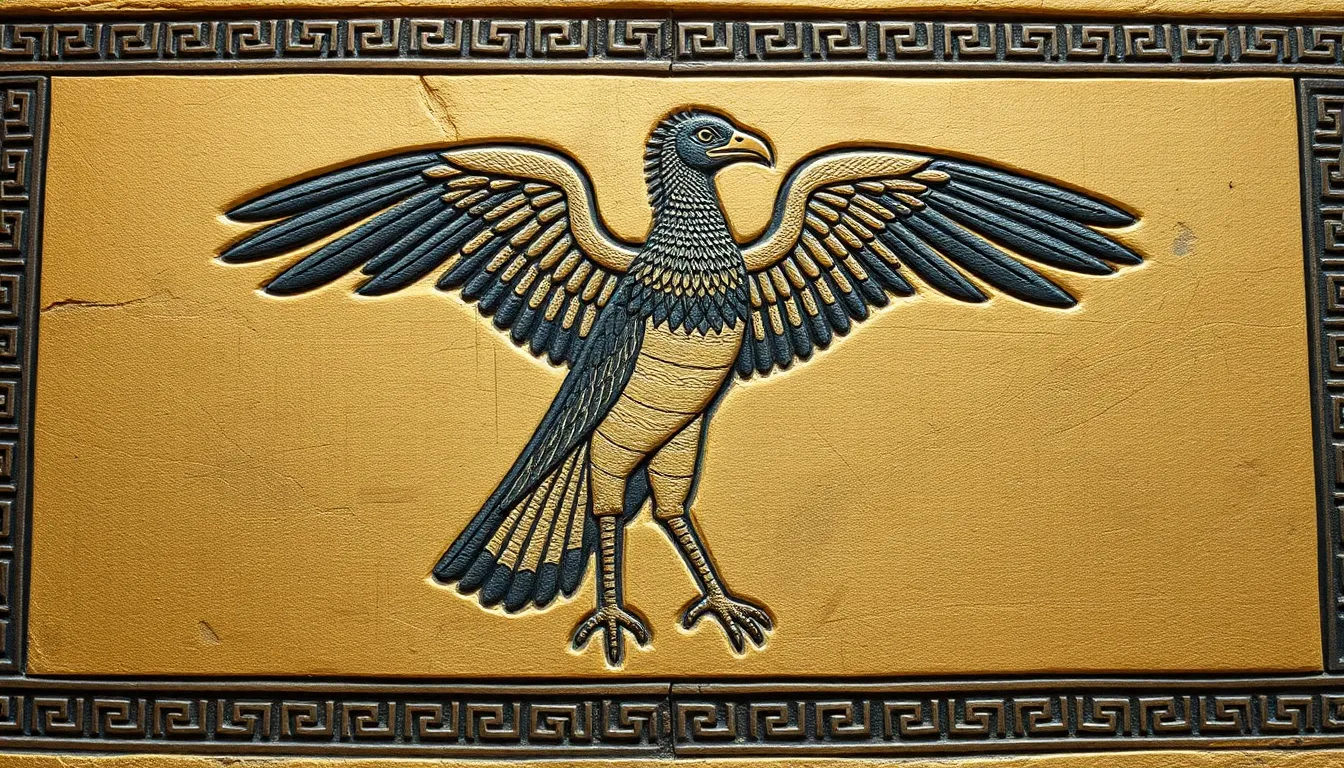
- Nekhbet and Maternal Symbolism: The vulture is often depicted with outstretched wings, signifying motherhood and protection over the dead.
- Protective Imagery: Tomb texts frequently include images of vultures watching over the deceased, reinforcing the idea that they provide safety in the journey beyond life.
IV. The Vulture as a Harbinger of Transformation
The vulture’s association with the cycle of life and death is profound. In many cultures, including that of ancient Egypt, vultures symbolize rebirth and renewal, playing a crucial role in the transformation of the soul after death.
- Cycle of Life and Death: Vultures are nature’s recyclers, facilitating the process of decomposition, which is essential for new life.
- Specific Tomb Texts: In tomb inscriptions, vultures are often depicted alongside symbols of eternity, underscoring their role in transformation and the promise of new beginnings.
V. The Vulture’s Connection to the Afterlife
In various cultures, vultures were seen as guides to the afterlife, assisting souls on their journey. This belief is reflected in the artistic depictions found in tomb texts.
- Guides to the Afterlife: Vultures in tomb art often accompany the deceased, symbolizing their role as protectors and guides.
- Journey of the Soul: Tomb texts frequently describe the soul’s journey, with vultures representing safe passage through the dangers of the afterlife.
- Purification Concepts: The scavenging nature of vultures also symbolizes purification, as they consume decay, making way for the renewal of life.
VI. Artistic Representations of Vultures in Tomb Texts
The depiction of vultures in tomb art is rich and varied, showcasing the artistic techniques of the time and the meaningful symbolism attributed to these creatures.
- Iconography in Tomb Art: Vultures are often illustrated in intricate detail, with careful attention to their feathers and posture.
- Artistic Techniques: Artists employed techniques such as hieroglyphics and vibrant colors to emphasize the significance of vultures in funerary art.
- Contextual Meaning: The presence of vultures in murals and carvings serves to reinforce the themes of protection and transformation within the tomb’s narrative.
VII. Modern Interpretations and Relevance
Contemporary scholars continue to analyze the symbolism of vultures, uncovering layers of meaning that resonate with modern funerary practices.
- Scholarly Analysis: Modern interpretations often explore how vulture symbolism reflects societal attitudes towards death and the afterlife.
- Relevance in Funerary Practices: Some contemporary cultures still regard vultures as significant symbols in their rituals and beliefs regarding death.
- Evolution of Symbolism: The understanding of vultures has evolved, shifting from mere scavengers to powerful symbols of protection and transformation.
VIII. Conclusion
In summary, the symbolism of vultures in tomb texts highlights their importance in ancient Egyptian culture and beyond. Representing protection, transformation, and guidance to the afterlife, vultures hold a unique place in the collective memory of humanity.
The enduring significance of vultures encourages reflection on the intersection of art, mythology, and the afterlife, revealing how these themes continue to influence our understanding of death and rebirth.