The Symbolism of the Sistrum in Egyptian Funerary Practices
I. Introduction
Ancient Egypt is renowned for its intricate funerary practices, which were deeply rooted in the belief in the afterlife. These practices encompassed a wide range of rituals and objects that were believed to aid the deceased in their journey to the realm of the dead. Among these sacred objects, the sistrum emerged as a significant musical instrument, imbued with profound symbolic meaning.
This article delves into the symbolism of the sistrum, exploring its historical context, associations with deities, role in funerary rituals, and its broader cultural significance in ancient Egyptian society.
II. Historical Context of the Sistrum
A. Origins and Development of the Sistrum in Ancient Egypt
The sistrum is believed to have originated in ancient Egypt around 2500 BCE, evolving over centuries into a distinctive instrument primarily associated with religious ceremonies. Its construction typically involved a U-shaped frame with metal rods, producing a jingling sound when shaken. The sistrum’s design and materials varied, reflecting the craftsmanship and artistic sensibilities of different periods.
B. Cultural Significance of Music in Egyptian Society
Music played a vital role in Egyptian culture, serving as a medium for communication with the divine and enhancing the spiritual atmosphere of rituals. It was integral to celebrations, religious observances, and funerary rites, believed to bridge the gap between the physical and spiritual realms.
C. Role of the Sistrum in Religious and Ceremonial Contexts
The sistrum was more than just a musical instrument; it was a powerful symbol of the divine. Used in temples and during ceremonies, it was often associated with the goddess Hathor, who embodied music, motherhood, and joy. The sound of the sistrum was thought to invoke the presence of the gods, making it an essential element in religious practices.
III. The Sistrum’s Association with Deities
A. Connection to Hathor, the Goddess of Music and Motherhood
The sistrum is most closely linked to Hathor, the goddess revered for her nurturing qualities and musical prowess. As the patroness of music, dance, and fertility, Hathor was often depicted holding a sistrum, emphasizing its sacred status in her worship.
B. Role in Worship and Rituals Dedicated to Deities
During rituals dedicated to Hathor and other deities, priests would use the sistrum to create a joyful ambiance, inviting the divine presence to join the ceremony. The instrument’s sound was believed to resonate with the cosmic order, facilitating communication between humans and the gods.
C. Symbolism of the Sistrum as a Mediator between the Divine and the Mortal
The sistrum served as a mediator, channeling the vibrations of the divine into the earthly realm. Its music was thought to transcend the physical world, connecting worshippers to the spiritual plane. This powerful symbolism reinforced the belief that through music, one could reach and appease the gods.
IV. The Sistrum in Funerary Rituals
A. Use of the Sistrum in Funerary Ceremonies
In funerary practices, the sistrum was employed to honor the deceased and facilitate their passage into the afterlife. Its inclusion in burial rituals underscored the belief that music could guide and protect the soul on its journey beyond death.
B. Its Role in the Journey of the Deceased to the Afterlife
The sound of the sistrum was thought to accompany the deceased, helping them navigate the challenges of the afterlife, particularly the trials they would face in the Duat, the Egyptian underworld. It was believed that the instrument’s music could soothe the soul and provide comfort during this transformative journey.
C. Symbol of Protection and Guidance for the Soul
In addition to its role in guiding the soul, the sistrum symbolized protection against malevolent forces in the afterlife. Its jingling sound was thought to ward off evil spirits, ensuring a safe passage for the deceased. This protective aspect made the sistrum a vital component of funerary rites.
V. Symbolic Meanings of the Sistrum
A. Representation of Joy, Rebirth, and Transformation
The sistrum embodies themes of joy and rebirth, reflecting the cyclical nature of life and death in Egyptian belief systems. Its music was associated with celebrations of life, while also symbolizing the transformative journey that souls undertake after death.
B. The Duality of Sound as a Representation of Life and Death
The sound produced by the sistrum encapsulates a duality—representing both the vibrancy of life and the solemnity of death. This duality is central to the ancient Egyptian understanding of existence, where life and death are interwoven in a continuous cycle.
C. The Sistrum as a Symbol of Harmony in the Afterlife
Ultimately, the sistrum symbolizes harmony in the afterlife, reflecting the balance between the earthly and divine realms. Its sound was believed to create an atmosphere of peace, facilitating the deceased’s integration into the eternal order.
VI. Artistic Representations of the Sistrum
A. Depictions of the Sistrum in Tomb Art and Artifacts
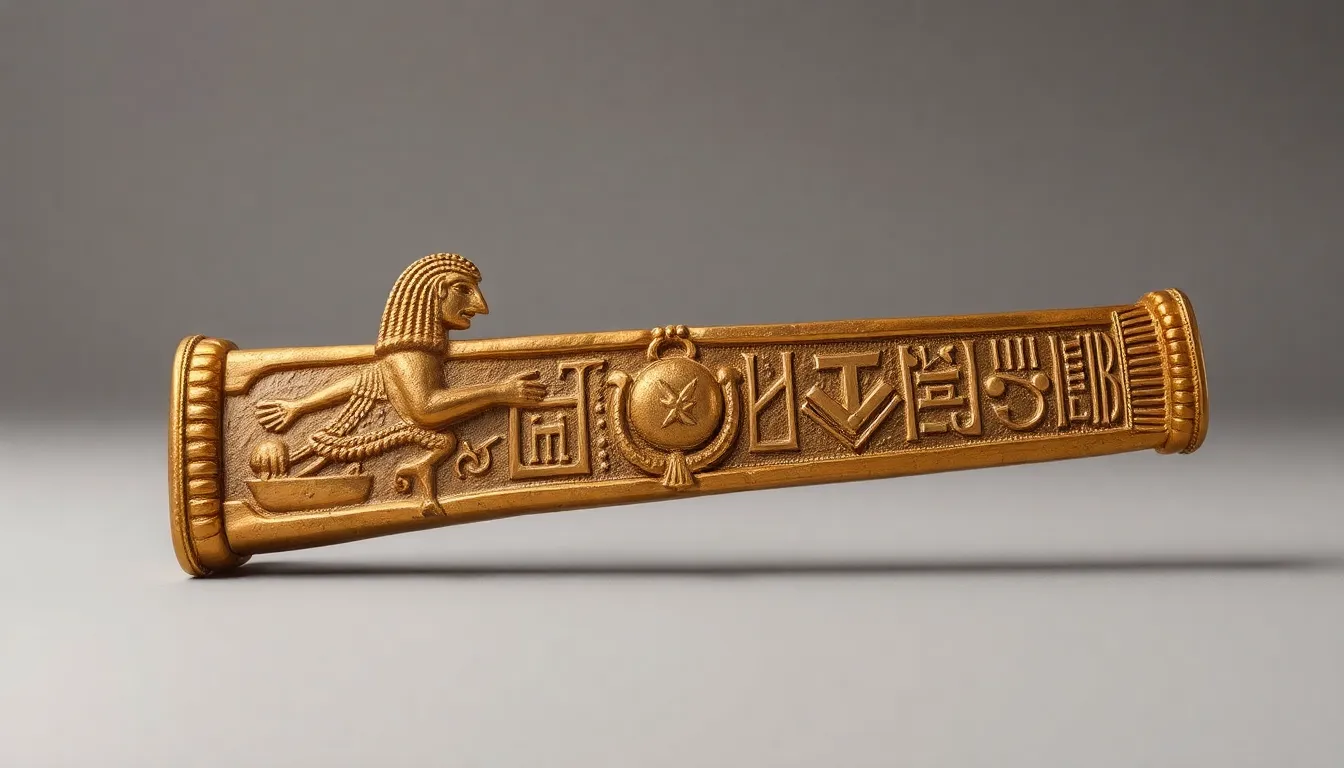
The sistrum is frequently depicted in tomb art, highlighting its significance in funerary contexts. Artistic representations often show figures holding the sistrum, emphasizing its role in rituals that honor the dead.
B. Analysis of Iconography and Its Significance
Iconographically, the sistrum is more than a musical instrument; it represents the divine connection between the living and the dead. The imagery associated with the sistrum in art serves to reinforce its status as a conduit for communication with the gods.
C. The Sistrum in Inscriptions and Its Meanings
Inscriptions featuring the sistrum often include prayers or dedications to Hathor and other deities, further attesting to its sacred nature. These texts frequently highlight the instrument’s role in facilitating divine favor and protection for the deceased.
VII. Modern Interpretations and Legacy
A. The Sistrum’s Influence on Contemporary Understandings of Ancient Egyptian Culture
The sistrum continues to influence modern interpretations of ancient Egyptian culture, serving as a symbol of the rich tapestry of religious beliefs and practices. Scholars and enthusiasts alike recognize the importance of the sistrum in understanding the complexities of Egyptian spirituality.
B. The Sistrum in Modern Music and Spirituality
In contemporary spirituality and music, the sistrum has found a revival, with musicians and practitioners incorporating it into rituals and performances. Its resonance is celebrated as a way to connect with ancient traditions, fostering a sense of continuity with the past.
C. Ongoing Research and Discoveries Related to the Sistrum
Ongoing archaeological discoveries continue to shed light on the sistrum’s role in ancient Egypt. Researchers are continually uncovering new artifacts and contexts that deepen our understanding of how this instrument was used and perceived in ancient society.
VIII. Conclusion
The sistrum holds a significant place in ancient Egyptian funerary practices, embodying themes of joy, transformation, and divine connection. Its role in rituals underscores the importance of music in navigating the complexities of life and death, and it continues to resonate in modern interpretations of Egyptian culture.
Understanding the symbolism of the sistrum enriches our appreciation of ancient Egyptian beliefs and practices, reminding us of the enduring legacy of this fascinating civilization. As we explore the depths of their spiritual life, we uncover the profound connections that link us to the past.