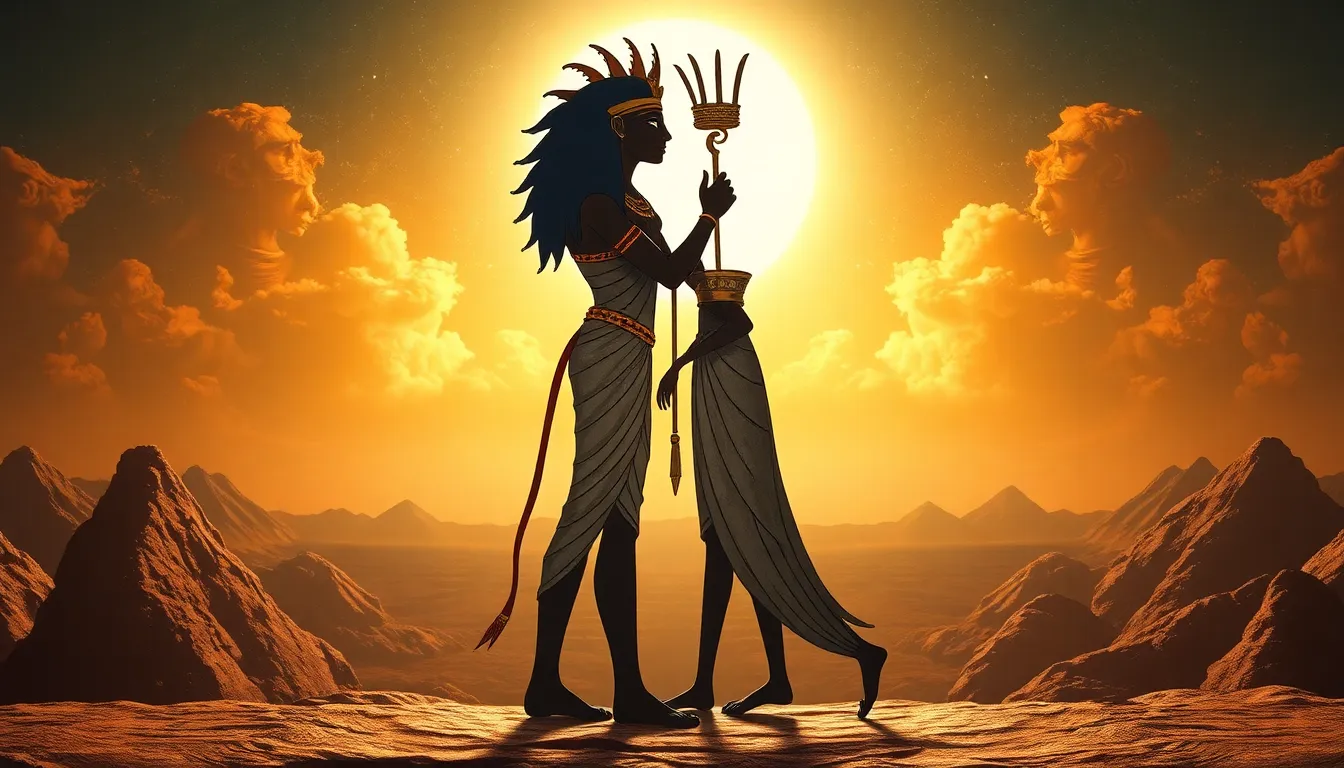
The Symbolism of Love in Ancient Egyptian Art and Mythology
I. Introduction
Love in ancient Egyptian culture was a complex and multifaceted concept, encompassing various forms of affection and attachment. This society placed great value on love, viewing it not only as a personal sentiment but also as a divine force that influenced both earthly and cosmic order.
The rich tapestry of ancient Egyptian art and mythology provides essential insights into their understanding and expression of love. Through sculptures, paintings, and myths, they articulated their beliefs and emotions, creating a legacy that continues to resonate today.
This article aims to explore the symbolism of love in ancient Egypt, examining its manifestations in art, mythology, literature, rituals, and its evolution over time.
II. The Concept of Love in Ancient Egyptian Society
In ancient Egypt, love was categorized into various types, including:
- Romantic Love: Often celebrated in poetry and art, romantic love was considered an essential aspect of personal happiness.
- Familial Love: The bond between family members, particularly between parents and children, was highly valued and reflected in many aspects of society.
- Divine Love: This form of love was seen in the relationships between gods and humans, where divine affection influenced human affairs.
The cultural beliefs surrounding love emphasized loyalty, fidelity, and the importance of relationships in maintaining social harmony. Love was seen as a divine gift, and its absence could lead to chaos, both in personal lives and the broader society.
In daily life, love played a crucial role in the formation of households, the nurturing of children, and the establishment of social bonds that were vital for community cohesion.
III. Depictions of Love in Ancient Egyptian Art
Ancient Egyptian art is filled with depictions of love, showcasing couples and families in various intimate and affectionate poses. Iconography often emphasized:
- Couples: Representations of husband and wife often highlight tenderness, such as holding hands or embracing.
- Families: Scenes featuring parents with children symbolize the importance of familial love and connection.
Symbols played a significant role in these artworks. For example:
- The Lotus: Representing rebirth and beauty, the lotus flower is often associated with love and romantic relationships.
- The Ankh: A symbol of life, the ankh also signifies love and the connectedness of life and relationships.
Famous artworks, such as the tomb paintings of Nebamun, depict scenes of daily life infused with love, showcasing banquets, music, and dance as expressions of joy and affection.
IV. Mythological Representations of Love
Ancient Egyptian mythology is rich with narratives that explore love through the lens of their gods and goddesses. Key deities associated with love include:
- Hathor: The goddess of love, beauty, and motherhood, often depicted as nurturing and protective.
- Isis: The goddess of magic and motherhood, her love for Osiris and her devotion to her son Horus exemplify maternal love.
- Osiris: Although primarily known as the god of the afterlife, his love story with Isis highlights the significance of love in life and death.
Love stories in mythology, such as that of Isis and Osiris, carry profound significance, symbolizing themes of resurrection and eternal love that transcends death. These tales helped shape the Egyptians’ beliefs about love in the afterlife and the bonds that continue beyond mortal existence.
V. Love as a Central Theme in Literature
In ancient Egyptian literature, love is a recurring theme that reflects societal values and personal experiences. Poetry and prose often explore the depth of emotional connections, revealing insights into:
- Expressions of Affection: Love poems celebrate romantic relationships and the beauty of companionship.
- Moral Lessons: Love stories convey lessons about fidelity, loyalty, and the importance of relationships.
Works such as “The Love Songs of the Ancient Egyptians” reveal the intimate emotions and relationships that were central to their lives, showcasing how mythology influenced these literary expressions of love.
VI. Rituals and Practices Surrounding Love
Ancient Egyptians practiced various rituals and customs that reinforced the importance of love in their society:
- Marriage Customs: Weddings were elaborate ceremonies that celebrated the union of two individuals, often involving communal feasting and the exchange of gifts.
- Love Spells: Magical spells and incantations were used to attract love or strengthen existing relationships, reflecting the belief in love’s mystical power.
- Offerings to Deities: Dedications of flowers, food, and other items to gods and goddesses of love were common, highlighting the religious aspect of love.
VII. The Evolution of Love Symbolism in Ancient Egypt
Over time, the symbolism of love in ancient Egypt evolved, influenced by changing artistic styles and interactions with foreign cultures:
- Artistic Changes: As the dynasties progressed, variations in artistic representation can be observed, reflecting shifts in societal values.
- Foreign Influences: Contact with other cultures introduced new symbols and concepts of love, which were integrated into Egyptian beliefs.
- Legacy: The symbolism of love in ancient Egypt laid the groundwork for later cultures, influencing how love was represented in art and literature across the Mediterranean.
VIII. Conclusion
In summary, the symbolism of love in ancient Egyptian art and mythology reveals a society deeply attuned to the emotional and spiritual dimensions of relationships. From the depiction of couples in art to the love stories of their gods, love was a central theme that transcended personal experience and connected with broader cosmic beliefs.
The enduring impact of ancient Egyptian love symbolism continues to shape modern perceptions of love, reminding us of the universal nature of affection and connection throughout human history.
Ultimately, the relevance of ancient love in contemporary society lies in its ability to inspire and resonate with our own experiences of love, reminding us of its power to transform lives and bind communities.