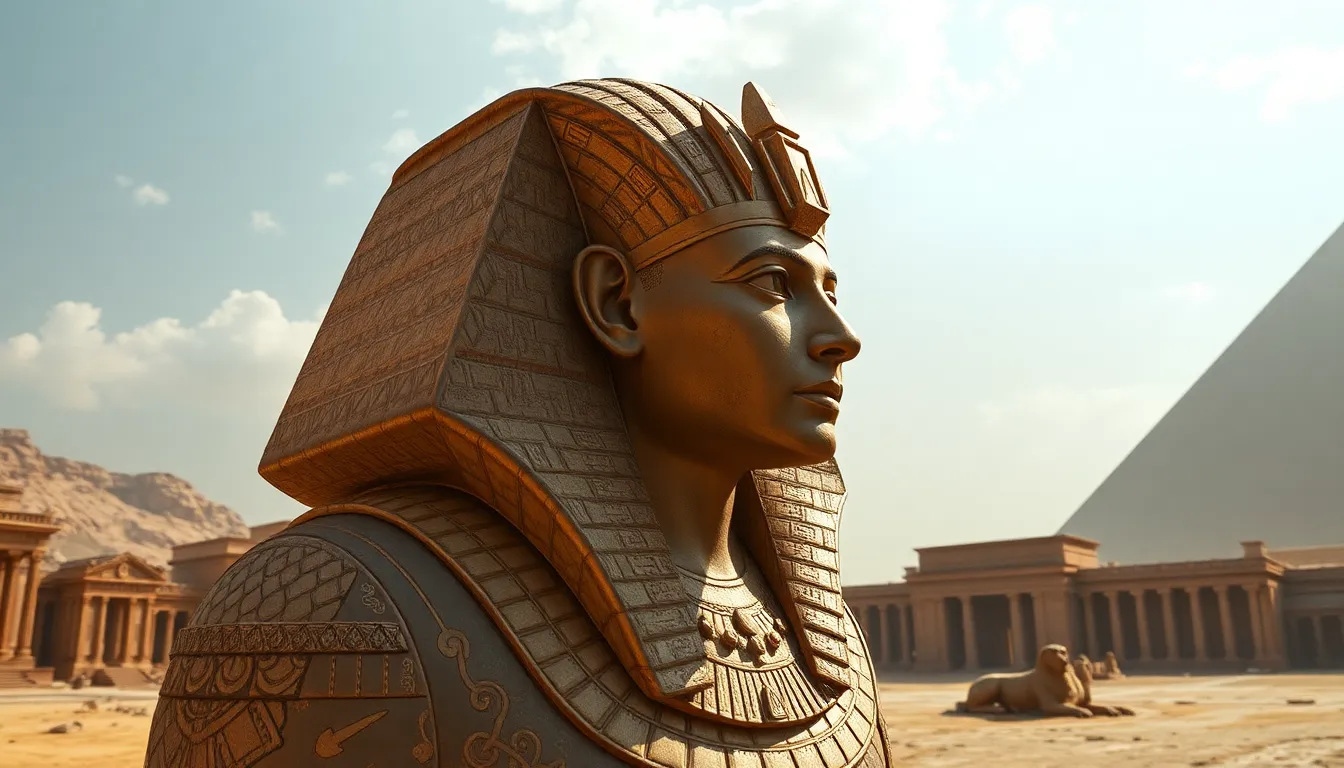
The Story of Pharaoh Ramses IV: Myths of the Afterlife
I. Introduction
Pharaoh Ramses IV, a significant ruler of ancient Egypt, reigned during the 20th Dynasty from 1155 to 1150 BC. His reign is notable not only for its political and military achievements but also for the rich tapestry of myths surrounding his beliefs about the afterlife. In ancient Egyptian culture, the afterlife was a crucial aspect of existence, influencing art, architecture, and religious practices. This article delves into the life of Ramses IV, his contributions, and the myths that continue to captivate our understanding of ancient Egyptian beliefs.
II. Historical Context of Ramses IV
A. Background on the 20th Dynasty and Ramses IV’s Ascension to the Throne
The 20th Dynasty marked a period of both cultural flourishing and political challenges in ancient Egypt. Ramses IV ascended to the throne following the reign of his father, Ramses III, and inherited a kingdom that was rich in tradition but facing external pressures and internal strife.
B. Achievements and Contributions During His Reign
Ramses IV is known for several key achievements during his reign:
- Infrastructure Development: He oversaw extensive building projects, including temples and monuments that reflected the glory of the gods and the pharaoh.
- Military Campaigns: Ramses IV engaged in military campaigns to protect Egypt’s borders, ensuring stability within the region.
- Economic Prosperity: His reign is characterized by efforts to enhance trade and resources, contributing to the wealth of ancient Egypt.
III. Beliefs in the Afterlife in Ancient Egypt
A. Overview of Ancient Egyptian Cosmology and the Afterlife
Central to ancient Egyptian religion was the belief in an afterlife, where the soul would continue its journey after death. Egyptians believed in a complex cosmology that included:
- The Duat: The underworld where souls would travel, facing trials and tribulations.
- The Field of Reeds: A paradise where the worthy would reside after successfully navigating the afterlife.
B. The Role of Gods and Judgment in Afterlife Beliefs
In the afterlife, the soul was judged by Osiris, the god of the underworld. The key aspects of this judgment included:
- Weighing of the Heart: The heart of the deceased was weighed against the feather of Ma’at, symbolizing truth and justice.
- Final Judgment: If the heart was lighter than the feather, the soul would be granted eternal life; if heavier, it faced annihilation.
IV. Ramses IV and the Tomb Construction
A. Description of the Tomb of Ramses IV in the Valley of the Kings
The tomb of Ramses IV (KV2) is located in the Valley of the Kings and is renowned for its grandeur and intricate decorations. The tomb reflects the pharaoh’s beliefs about the afterlife and includes:
- Spacious Chambers: Designed to accommodate the pharaoh’s burial and the rituals associated with it.
- Vibrant Artwork: The walls are adorned with vivid scenes depicting the journey through the afterlife, gods, and protective spells.
B. Symbolism and Artwork Related to the Afterlife Found in the Tomb
The artwork within the tomb serves as a guide for the deceased, illustrating key aspects of the afterlife. Notable elements include:
- Depictions of the Judgment: Scenes showing Osiris and the weighing of the heart emphasize the importance of moral conduct.
- Protective Deities: Images of gods and goddesses offering protection to the pharaoh on his journey.
V. Myths and Legends Surrounding Ramses IV
A. Exploration of Popular Myths and Stories Related to Ramses IV
Throughout history, Ramses IV has been the subject of various myths and legends. Some popular tales include:
- The Builder of Temples: Myths suggest he was favored by the gods for his architectural prowess.
- Protector of the People: Legends depict him as a warrior king who led his people with strength and wisdom.
B. The Impact of These Myths on Egyptian Culture and Religion
The myths surrounding Ramses IV contributed to a rich cultural narrative that reinforced the divine right of pharaohs and the importance of the afterlife, shaping Egyptian religion and society.
VI. The Book of the Dead and Its Significance
A. Explanation of the Book of the Dead and Its Role in Guiding Souls
The Book of the Dead is a collection of spells and illustrations intended to guide the deceased through the afterlife. It played a vital role in:
- Providing Instructions: Offering guidance on how to navigate the challenges of the afterlife.
- Ensuring Protection: Spells aimed at protecting the soul from malevolent forces.
B. Specific Spells and Illustrations Related to Ramses IV
Within the context of Ramses IV, specific spells and illustrations in the Book of the Dead were tailored to ensure his safe passage and acceptance by the gods, emphasizing his divine status.
VII. Archaeological Discoveries and Interpretations
A. Recent Archaeological Findings Related to Ramses IV and the Afterlife
Archaeological excavations in the Valley of the Kings have unearthed significant artifacts related to Ramses IV. Recent findings include:
- Burial Goods: Items such as jewelry and amulets meant to accompany the pharaoh in the afterlife.
- Inscriptions: Texts that provide insights into his beliefs and practices surrounding death and the afterlife.
B. How These Discoveries Have Reshaped Understanding of His Beliefs
These discoveries have allowed scholars to gain a deeper understanding of Ramses IV’s beliefs, illustrating the intricate relationship between his reign and the afterlife as reflected in ancient Egyptian culture.
VIII. Conclusion
Ramses IV’s legacy is a testament to the enduring fascination with ancient Egypt and its beliefs about the afterlife. His tomb, myths, and the cultural context of his reign illustrate the importance of the afterlife in shaping not only his legacy but also the society of ancient Egypt as a whole. The myths surrounding Ramses IV continue to intrigue us, providing a glimpse into a world where the journey after death was as significant as life itself.