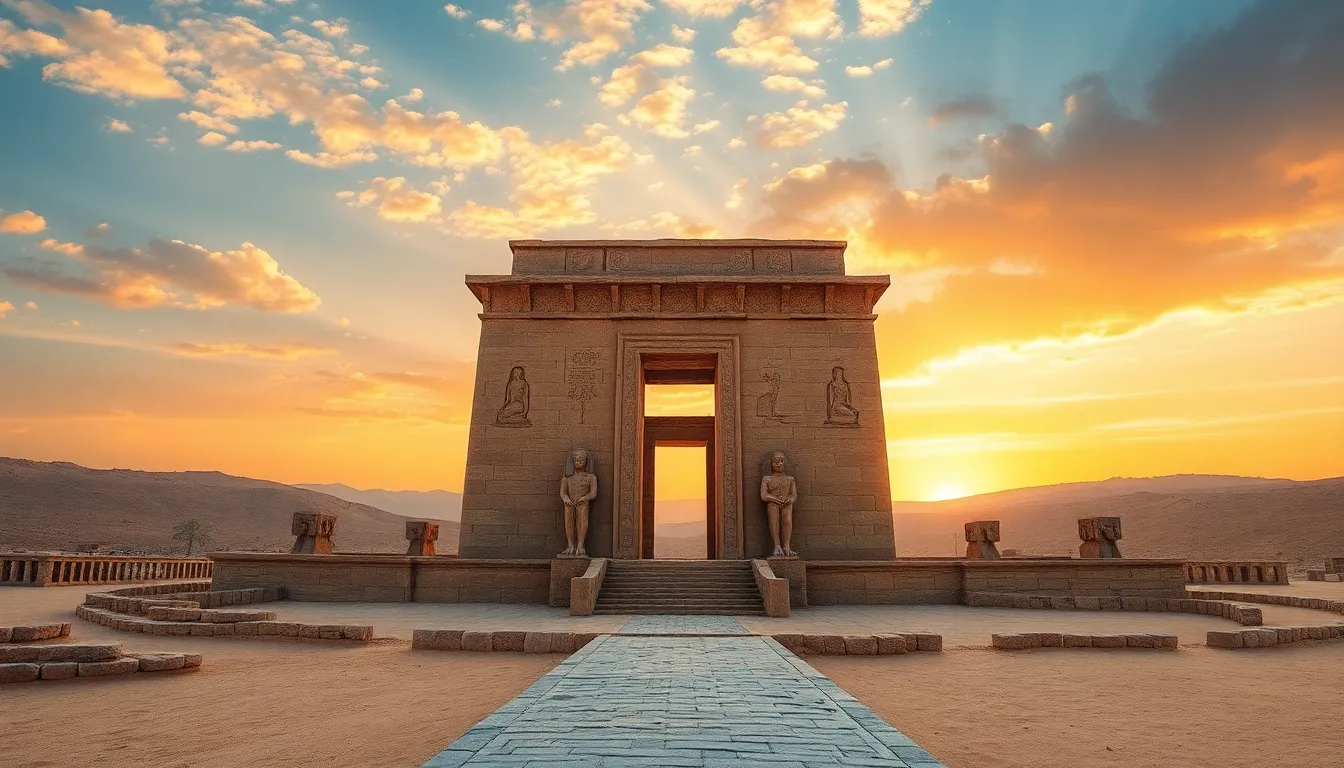
The Spiritual Importance of Sacred Sites in Egypt
I. Introduction
Sacred sites are locations that hold special spiritual significance, often associated with religious practices or beliefs. In the context of ancient Egypt, these sites were not merely physical locations; they were integral to the spiritual and cultural identity of the Egyptian people. Egypt, with its rich tapestry of history, is home to some of the most significant sacred sites in the world, each with deep-rooted connections to the beliefs and practices of its ancient civilization. This article explores the spiritual importance of these sites, delving into their historical context, spiritual practices, and contemporary relevance.
II. Historical Context of Sacred Sites in Egypt
Ancient Egyptian beliefs were deeply intertwined with spirituality, focusing on the afterlife, gods, and the natural world. The ancient Egyptians believed in a pantheon of gods and goddesses, each governing different aspects of life. Sacred sites were often dedicated to these deities, serving as places of worship and spiritual connection.
Temples and pyramids served crucial roles in ancient society, functioning as centers for religious activities, community gatherings, and even economic exchanges. Key historical events, such as the construction of the pyramids during the Old Kingdom, shaped the landscape of sacred sites, solidifying their importance in Egyptian culture. These monumental structures were designed not only as tombs but also as gateways to the afterlife, reflecting the Egyptians’ beliefs in immortality.
III. Major Sacred Sites in Egypt
Egypt is home to numerous sacred sites, each with its unique significance. Some of the most notable include:
- The Pyramids of Giza: These iconic structures, particularly the Great Pyramid, are considered one of the Seven Wonders of the Ancient World. They serve as monumental tombs for pharaohs and reflect the Egyptians’ beliefs in the afterlife.
- Karnak Temple Complex: This vast temple complex in Luxor was dedicated to the god Amun and served as a major religious center. It features impressive architecture and numerous shrines, reflecting the grandeur of ancient Egyptian spirituality.
- The Valley of the Kings: This burial site of pharaohs and nobles is renowned for its elaborate tombs, which were filled with treasures intended for the afterlife. The Valley emphasizes the importance of burial practices in ancient Egyptian beliefs.
- Abu Simbel Temples: These magnificent temples, carved into a mountainside, were built by Ramses II and dedicated to himself and the gods. They exemplify the connection between pharaohs and divine authority.
IV. Spiritual Practices Associated with Sacred Sites
The sacred sites of Egypt were not just places of worship; they were vibrant centers of spiritual activity. Various rituals and ceremonies were performed at these locations, each with specific meanings and purposes.
- Rituals and ceremonies: From daily offerings to elaborate festivals, rituals at sacred sites were integral to maintaining the favor of the gods. These practices often included music, dance, and the recitation of hymns.
- Pilgrimages: Pilgrimages to sacred sites were common, allowing devotees to connect with the divine and seek blessings. The journey itself was considered a spiritual experience.
- The role of priests and priestesses: Priests and priestesses were essential figures in ancient Egyptian spirituality, carrying out rituals, maintaining the temples, and acting as intermediaries between the gods and the people.
V. Symbolism and Architecture of Sacred Sites
The architecture of sacred sites is rich with symbolism, reflecting the spiritual beliefs of the ancient Egyptians.
- Architectural features: Structures such as obelisks, columns, and sphinxes were not only decorative but also held deeper spiritual meanings, representing the connection between the earth and the heavens.
- Hieroglyphs and carvings: The walls of temples and tombs are adorned with hieroglyphs that tell stories of gods, pharaohs, and the afterlife. These inscriptions served both educational and spiritual purposes.
- Celestial alignments: Many sacred sites were strategically aligned with celestial events, such as solstices and equinoxes, emphasizing the Egyptians’ understanding of astronomy and its importance in their spiritual practices.
VI. Modern Spirituality and Sacred Sites
In contemporary times, there has been a resurgence of interest in ancient spirituality, with many seeking to reconnect with the wisdom of the past. Sacred sites continue to attract spiritual seekers and tourists alike.
- Contemporary practices: Modern spiritual practices often incorporate elements from ancient Egyptian rituals, including meditation, energy work, and honoring the cycles of nature.
- Impact of tourism: While tourism can bring awareness to these sacred sites, it also poses challenges, such as environmental degradation and commercialization that can disrupt the spiritual essence of these locations.
VII. Preservation and Protection of Sacred Sites
Despite their historical significance, sacred sites in Egypt face numerous challenges today. Preservation efforts are crucial to protect these cultural treasures for future generations.
- Challenges: Factors such as urban development, environmental impacts, and political instability threaten the integrity of sacred sites.
- Efforts for preservation: Various organizations and governmental initiatives are working to restore and protect these sites, emphasizing the importance of cultural heritage.
- Importance of protection: Preserving sacred sites is vital not only for historical reasons but also for maintaining the spiritual connections that many people still feel towards these ancient locations.
VIII. Conclusion
The spiritual significance of sacred sites in Egypt is profound and enduring. These locations serve as reminders of the rich spiritual heritage of ancient Egypt, influencing contemporary spirituality and cultural practices. As we reflect on the lasting impact of these sacred spaces, it becomes imperative to advocate for their preservation and protection, ensuring that future generations can continue to appreciate and connect with this remarkable legacy.
By raising awareness and supporting preservation efforts, we can help safeguard the spiritual heart of Egypt for years to come.