The Spirit of Learning: Celebrating the Festival of Thoth
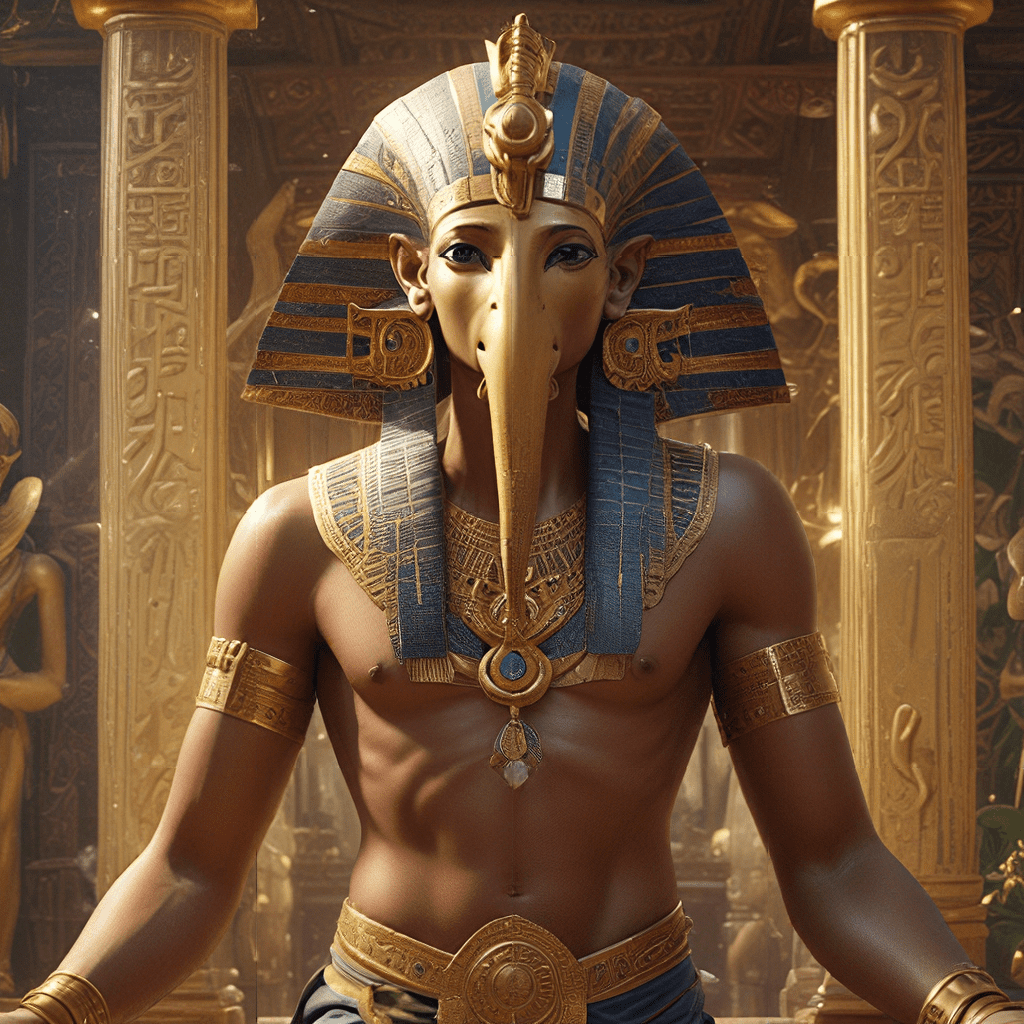
In the realm of ancient Egyptian mythology, Thoth stands as a revered deity, embodying wisdom, magic, and the pursuit of knowledge. This divine scribe, often depicted with the head of an ibis, played a pivotal role in shaping the intellectual and spiritual landscape of ancient Egypt. The Festival of Thoth, a celebration dedicated to this remarkable god, served as a testament to the profound value placed on learning and enlightenment within Egyptian culture.
1. Thoth: The Divine Scribe and Patron of Knowledge
Thoth, the god of wisdom, magic, writing, and the moon, occupied a prominent position in the Egyptian pantheon. He was known as the “Lord of Words” and the “Inventor of Writing,” credited with bringing the written word to humanity. His association with magic stemmed from his mastery of the secrets of the universe, which he used to guide the cosmos and influence the lives of mortals. Thoth was often depicted as a man with the head of an ibis, a bird known for its intelligence and graceful movements. This representation symbolized his connection to the divine realm, his intellect, and his ability to navigate the complexities of the world.
The sacred baboon, another animal associated with Thoth, represented his connection to the moon and the cyclical nature of time. The ankh, a symbol of life, was also associated with Thoth, signifying his role in ensuring the continuity of knowledge and the preservation of wisdom for future generations. The importance of Thoth in early Egyptian civilization cannot be overstated, as he was seen as the divine architect of civilization, a bringer of order and meaning to the world.
2. The Festival of Thoth: A Celebration of Knowledge and Enlightenment
The Festival of Thoth, also known as the “Festival of the Writing Reed,” was a time of joyous celebration and spiritual reflection dedicated to honoring the god of wisdom. This festival, observed during the month of Thoth (September/October), coincided with the annual flooding of the Nile River, a time of renewal and abundance. The festival was a reminder of the importance of learning and the transformative power of knowledge.
During the festivities, elaborate rituals and ceremonies were performed in honor of Thoth. Priests would offer sacrifices and prayers to the god, seeking his blessings and guidance. Offerings included bread, beer, incense, and papyrus, symbolizing the essential tools of learning and writing. The festival was a time for scholars, scribes, and students to gather, share knowledge, and engage in intellectual discourse. Schools and libraries were adorned with decorations, and lively debates and recitations of sacred texts took place.
3. The Importance of Learning in Ancient Egyptian Culture
Education occupied a central place in ancient Egyptian society. Egyptians believed that knowledge was the key to unlocking the mysteries of the universe, achieving spiritual enlightenment, and ensuring a successful afterlife. Literacy, especially the skill of writing hieroglyphs, was highly valued and seen as a pathway to social advancement and spiritual growth. Scribes, who were entrusted with the task of recording history, preserving knowledge, and translating divine messages, held a revered position within the hierarchy of Egyptian society.
The pursuit of knowledge was not limited to the written word. The arts, including music, dance, and sculpture, were seen as essential components of a well-rounded education. The Egyptians believed that through the arts, they could access the divine, explore the complexities of the human experience, and communicate their understanding of the universe. These practices fostered a culture of learning and intellectual curiosity that thrived for millennia.
4. Thoth’s Role in the Afterlife
Thoth’s influence extended beyond the realm of the living. In the afterlife, he played a crucial role in the judgment process of the dead. According to Egyptian beliefs, upon death, the soul was weighed against the feather of Ma’at, the goddess of truth and justice. Thoth, as the divine scribe, recorded the outcome of the weighing, ensuring that the deceased’s destiny was determined according to their actions during life.
The “Weighing of the Heart” ceremony was a central element of the Egyptian afterlife, and Thoth’s role in it underscored the importance of knowledge and wisdom in achieving a successful afterlife. Those who possessed a clear conscience and had lived a virtuous life were deemed worthy of entering the afterlife, while those whose hearts were deemed heavy with sin were punished accordingly. The concept of the “Weighing of the Heart” emphasized the interconnectedness of morality, knowledge, and the afterlife, highlighting Thoth’s profound influence on the spiritual beliefs of the Egyptians.
5. Thoth’s Influence on Egyptian Mythology and Religion
Thoth’s attributes and stories had a significant impact on Egyptian mythology and religion. His association with wisdom, magic, and the written word shaped the way Egyptians understood the world, their place in it, and their relationship to the divine. His ability to decipher the secrets of the universe, navigate the complexities of time, and record the cosmic order profoundly influenced the Egyptian worldview.
Thoth’s relationship with other gods and goddesses also reflected the interconnectedness of the Egyptian pantheon. He was often portrayed as a close advisor to the gods, sharing his wisdom and guiding their actions. His connection to Ra, the sun god, was particularly important, as Thoth was believed to be the creator of the sun god’s eye, a symbol of divine power and illumination. Through his interactions with other deities, Thoth helped to create a rich and complex mythology that reflected the multifaceted beliefs and values of ancient Egypt.
6. The Festival of Thoth: A Timeless Celebration
The enduring legacy of the Festival of Thoth continues to inspire scholars, artists, and individuals seeking knowledge in modern times. Though the festival itself is no longer celebrated in its ancient form, its underlying message of the importance of learning and the transformative power of knowledge remains relevant. The festival serves as a reminder of the enduring spirit of inquiry that has been a hallmark of human civilization since the dawn of time.
The celebration of Thoth reminds us of the vital role that knowledge plays in shaping our understanding of the world and our place in it. It encourages us to embrace the pursuit of learning, to engage in intellectual discourse, and to use our knowledge to create a better future for ourselves and for generations to come. In honoring the legacy of Thoth, we pay tribute to the pursuit of wisdom and the enduring spirit of learning that has been a cornerstone of human civilization for millennia.