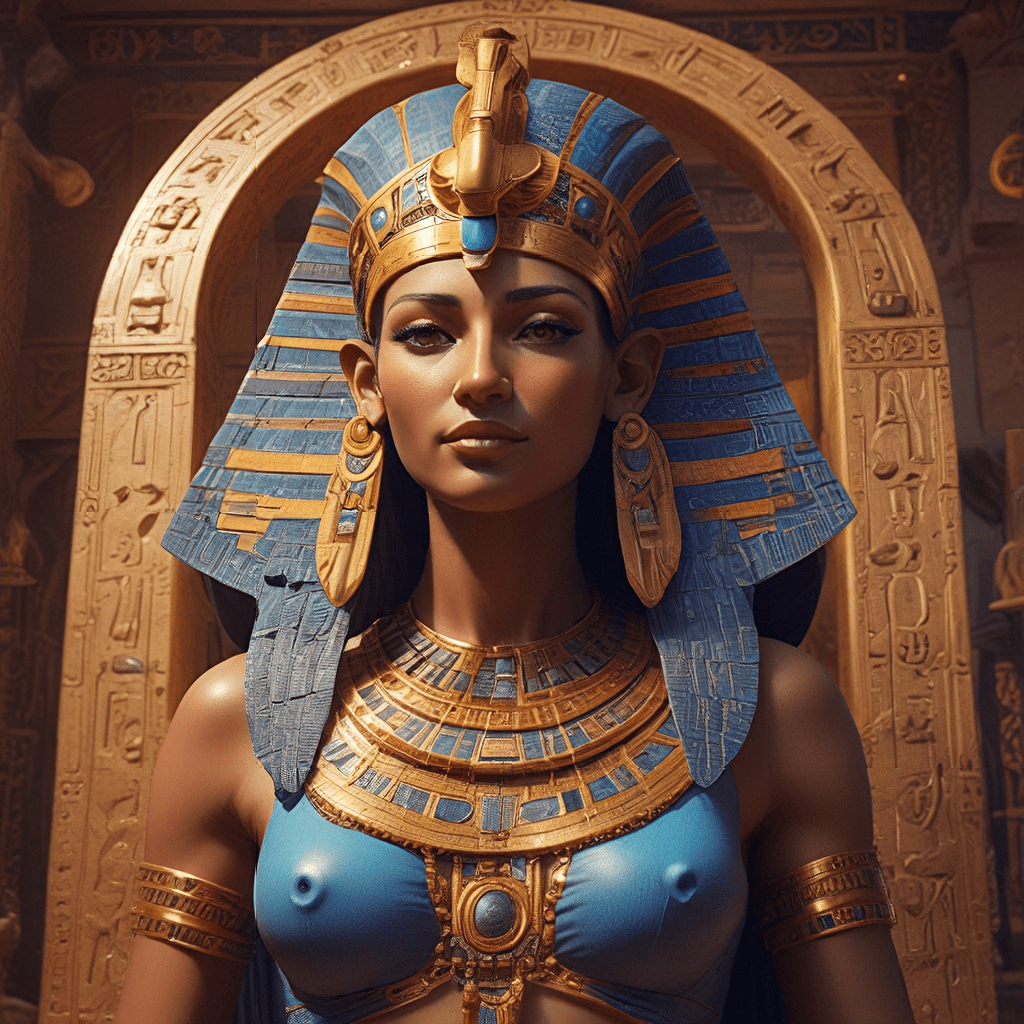
The Spirit of Beauty: Understanding the Significance of the Hathor Festival
1. Introduction: The Goddess Hathor – A Powerful Presence
Hathor, a prominent deity in ancient Egyptian mythology, embodies the essence of beauty, joy, love, music, and motherhood. Her presence is felt throughout Egyptian culture, as she graces temples, tombs, and everyday life with her benevolent spirit. Understanding the Hathor Festival is crucial for comprehending the multifaceted nature of this goddess and her profound impact on ancient Egyptian society.
Hathor’s influence extended beyond the realm of the divine. She was revered as the protector of women, children, and the arts. Her association with music and dance highlights her role as a bringer of joy and celebration, while her connection to motherhood reflects her nurturing and life-giving qualities. The Hathor Festival, a vibrant celebration in her honor, offered a unique opportunity for the ancient Egyptians to connect with her divine essence and experience her blessings.
2. The Origins and Evolution of the Hathor Festival
The Hathor Festival, like many ancient Egyptian rituals, has deep roots in ancient traditions and beliefs. Its origins can be traced back to the early stages of Egyptian civilization, with evidence suggesting its existence dating as far back as the Old Kingdom period (c. 2686-2181 BCE).
Over time, the festival evolved, incorporating new rituals and elements to reflect the changing cultural landscape of ancient Egypt. For example, during the Middle Kingdom (c. 2055-1650 BCE), the festival at Dendera, a major center of Hathor worship, gained prominence, becoming a grand celebration that attracted people from far and wide.
The festival’s evolution also reflected the changing role of Hathor within Egyptian mythology. As a goddess associated with both creation and destruction, her festival celebrated her duality, showcasing both her nurturing and fierce aspects. This evolving nature of the festival highlights its adaptability and its significance as a dynamic expression of ancient Egyptian religious beliefs.
3. Celebrating the Goddess: Key Elements of the Hathor Festival
The Hathor Festival was a vibrant tapestry of rituals and celebrations, each designed to honor the goddess and connect with her divine energy. One of the most prominent rituals involved a procession with a sacred cow, symbolizing Hathor. This procession, often accompanied by music and dance, served as a symbolic representation of Hathor’s journey through the world, bringing her blessings to the people.
Music played a vital role in the festival, with performances featuring instruments like harps, flutes, and drums. These instruments, believed to be sacred to Hathor, filled the air with joyous melodies, evoking a sense of celebration and connection with the goddess. Dance, another essential element of the festival, expressed the vibrant energy of life and its connection to fertility and the cycle of life and death.
Offerings played a significant role in the Hathor Festival. Devotees presented gifts of food, wine, and incense to the goddess, seeking her favor and expressing their gratitude for her blessings. These offerings symbolized the interconnectedness between the human and divine realms, highlighting the importance of giving and receiving in the pursuit of spiritual harmony.
4. The Importance of Music and Dance in the Festival
The connection between Hathor and music is deeply ingrained in ancient Egyptian mythology. Music, considered a divine gift from Hathor, was believed to possess transformative powers, capable of bringing joy, healing, and spiritual enlightenment. The Hathor Festival celebrated this connection, showcasing music’s ability to bridge the gap between the human and divine realms.
Dance, like music, played a vital role in connecting with Hathor’s divine essence. It was seen as a form of communication with the goddess, expressing emotions like joy, gratitude, and devotion. The rhythmic movements and graceful gestures of dance reflected the cyclical nature of life, symbolizing the constant flow of energy and the interconnectedness of all things.
The festival’s emphasis on music and dance highlighted the importance of these art forms in ancient Egyptian culture. They were not mere entertainment but powerful tools for spiritual expression, fostering a sense of community and connection with the divine.
5. Hathor’s Role in Fertility and the Cycle of Life
Hathor’s association with fertility, motherhood, and the cycle of life and death is a testament to her multifaceted nature. She was revered as the goddess of childbirth, representing the nurturing and life-giving aspects of the feminine principle. Her connection with the cycle of life and death reflected the constant ebb and flow of existence, emphasizing the interconnectedness of birth, growth, and transformation.
The Hathor Festival celebrated these aspects of Hathor’s nature through a variety of rituals and offerings. The procession with the sacred cow, symbolizing Hathor’s journey through the world, served as a reminder of her life-giving powers. The offerings of food, wine, and incense, symbolic of abundance and nourishment, reflected the interconnectedness of life and the importance of providing for those in need.
The festival’s emphasis on fertility and the cycle of life emphasized the importance of these concepts in ancient Egyptian society. They provided a framework for understanding the world and its mysteries, offering hope and reassurance in the face of life’s inevitable transitions.
6. The Festival’s Impact on Egyptian Society
The Hathor Festival was more than just a religious celebration; it served as a vital force in shaping ancient Egyptian society. By fostering a sense of community spirit, it brought people together to honor their shared beliefs and celebrate their cultural heritage.
The festival also played a significant role in promoting religious devotion. Through rituals, offerings, and performances, it provided opportunities for the ancient Egyptians to connect with the divine and experience the blessings of Hathor. This connection, in turn, strengthened their faith and reinforced their commitment to the values embodied by this powerful goddess.
The festival’s impact extended beyond the religious sphere, influencing cultural expression. The vibrant music, dance, and art forms associated with the festival enriched the cultural landscape of ancient Egypt, contributing to its unique artistic legacy. The Hathor Festival, therefore, served as a powerful catalyst for social cohesion, religious devotion, and cultural expression.
7. The Symbolism of Hathor’s Sacred Animals
Hathor’s connection with sacred animals, particularly the cow, provides further insights into her nature and symbolism. The cow, representing motherhood, nurturing, and life-giving energy, served as a powerful symbol for Hathor, highlighting her role as a protective and benevolent deity.
The cow’s association with fertility and abundance resonated deeply with the ancient Egyptians. It represented the earth’s life-giving capacity, providing sustenance and nourishment to the people. The cow, therefore, served as a powerful symbol of Hathor’s blessings, connecting her to the natural world and its cycles of growth and renewal.
Hathor’s connection with sacred animals extended beyond the cow. The sacred ibis, often depicted alongside Hathor, was associated with wisdom, knowledge, and healing. This connection reflects Hathor’s role as a protector of women and children, highlighting her nurturing and healing qualities.