The Sphinx’s Influence on Ancient Egyptian Society
I. Introduction
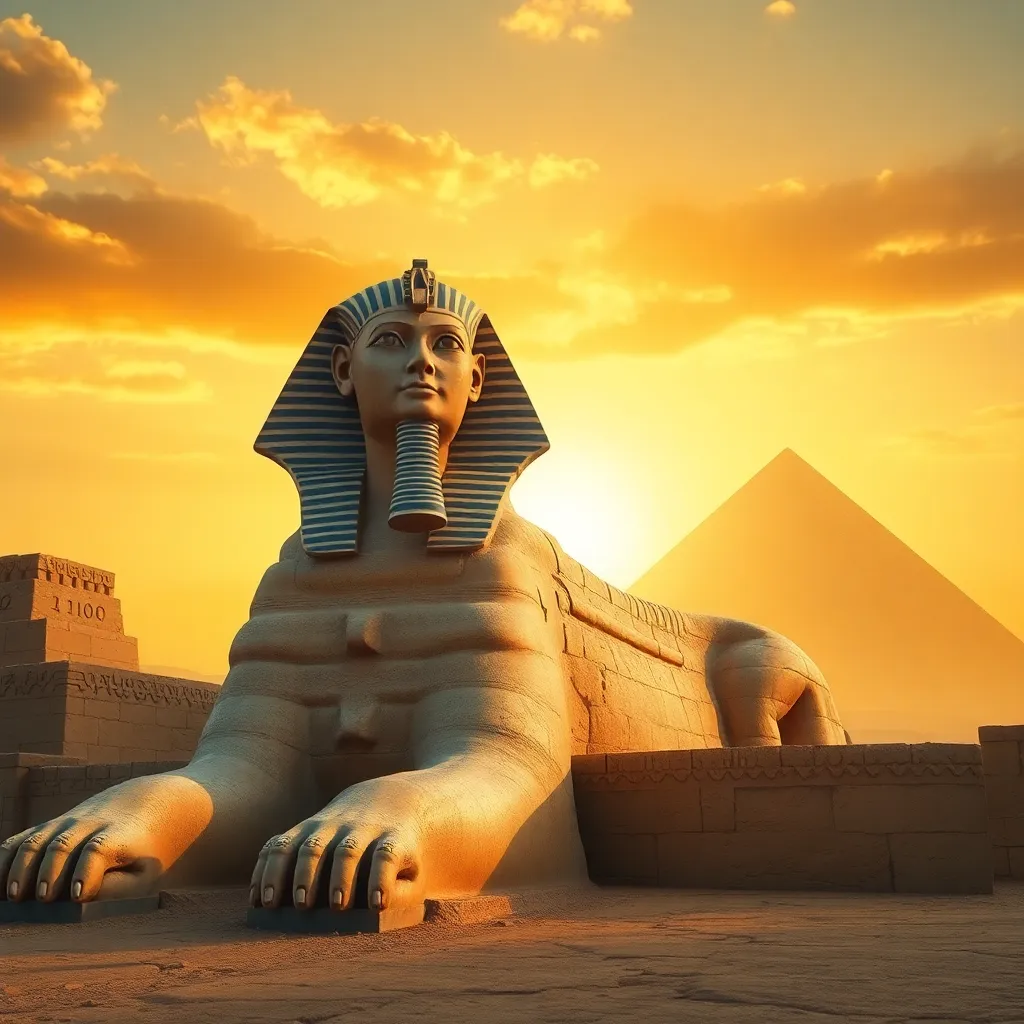
The Great Sphinx of Giza, a monumental limestone statue with the body of a lion and the head of a pharaoh, is one of the most iconic symbols of Ancient Egypt. Standing guard near the Pyramids of Giza, the Sphinx holds immense significance in terms of cultural heritage, religious beliefs, and political power. This article delves into the multifaceted influence of the Sphinx on Ancient Egyptian society, highlighting its role in shaping the civilization’s identity.
II. Historical Context of the Sphinx
A. Construction and Architectural Significance
The Great Sphinx is believed to have been constructed during the reign of Pharaoh Khafre (around 2570 BC), making it one of the oldest monumental sculptures in the world. Carved from a single block of limestone, the Sphinx measures approximately 66 feet (20 meters) high and 240 feet (73 meters) long. Its construction showcases the advanced engineering skills of the ancient Egyptians and their ability to mobilize large labor forces.
B. The Sphinx in Relation to the Pyramids and Giza Plateau
Located on the Giza Plateau, the Sphinx is strategically positioned between the Pyramids of Khufu and Khafre, symbolizing its connection to the royal lineage and the afterlife. The alignment of the Sphinx with the pyramids emphasizes its role as a guardian of these monumental tombs, reflecting the ancient Egyptians’ beliefs in the protection of the pharaohs in the afterlife.
III. The Sphinx as a Symbol of Power
A. Representation of Pharaonic Authority
The Sphinx serves as a powerful symbol of pharaonic authority, embodying the strength and wisdom of the ruler. Its lion-like body represents ferocity and protection, while the human head signifies intelligence and divine connection. This duality reinforces the idea that the pharaohs were not only rulers but also intermediaries between the gods and the people.
B. The Sphinx in Royal Iconography
- The Sphinx appears in various royal artifacts, such as seals, statues, and reliefs, signifying its importance in conveying the divine right of kings.
- It often accompanied the imagery of the pharaoh in tombs, underscoring the ruler’s power and divine protection in the afterlife.
IV. Religious Significance of the Sphinx
A. The Sphinx and Ancient Egyptian Mythology
In ancient Egyptian mythology, the Sphinx is linked to several deities, particularly the sun god Ra and the goddess Sekhmet. The Sphinx was seen as a guardian of sacred spaces, embodying the protective qualities associated with these deities. Its presence was believed to ward off evil spirits and ensure the safe passage of the deceased into the afterlife.
B. Role of the Sphinx in Funerary Practices and Beliefs about the Afterlife
The Sphinx played a crucial role in funerary practices, often situated near royal tombs to safeguard the burial sites. Its likeness symbolizes the pharaoh’s journey to the afterlife, where they would be judged by Osiris, the god of the afterlife. The Sphinx’s protective function highlights the importance of ensuring safe passage for the deceased, a central theme in ancient Egyptian beliefs.
V. The Sphinx in Art and Literature
A. Depictions of the Sphinx in Ancient Egyptian Art
The Sphinx has been extensively depicted in ancient Egyptian art, from tomb paintings to sculpture. These representations often emphasize its majestic features and its role as a guardian. Artists portrayed the Sphinx with great reverence, capturing its imposing presence and symbolic power.
B. Literary References to the Sphinx in Inscriptions and Texts
- In ancient texts, the Sphinx is often referenced in relation to wisdom and mystery, embodying the enigma that surrounds the pharaohs and their divine connection.
- Inscriptions found near the Sphinx highlight its importance in royal decrees and religious texts, further solidifying its place in the cultural narrative of ancient Egypt.
VI. The Sphinx and its Role in Society
A. The Sphinx as a Cultural Landmark and Tourist Attraction
The Great Sphinx has evolved into a cultural landmark, attracting scholars, tourists, and historians from around the world. Its sheer size and historical significance make it a focal point for those seeking to understand ancient Egyptian civilization. As a symbol of national pride, the Sphinx has become synonymous with Egypt itself.
B. Influence on Social and Economic Activities in Ancient Egypt
The presence of the Sphinx contributed to economic activities in ancient Egypt, particularly in the realms of tourism and pilgrimage. Ancient Egyptians would travel to the Giza Plateau for religious festivals, which often included offerings to the Sphinx. This influx of visitors promoted trade and cultural exchange, reinforcing the Sphinx’s status in society.
VII. The Sphinx in Modern Interpretations
A. How the Sphinx Has Been Perceived Through History
Throughout history, the Sphinx has been a subject of intrigue and speculation. Various theories regarding its origins, purpose, and symbolism have emerged, each adding to its mystique. Scholars and archaeologists continue to explore its secrets, contributing to ongoing debates about ancient Egyptian civilization.
B. Impact on Contemporary Egyptian Identity and Heritage
In modern times, the Sphinx remains a symbol of Egypt’s rich heritage and cultural identity. It is celebrated in literature, art, and popular culture, reinforcing its status as an enduring emblem of ancient wisdom and power. Egyptians view the Sphinx as a connection to their ancestry, embodying the achievements and aspirations of their forebears.
VIII. Conclusion
The Great Sphinx of Giza stands as a testament to the ingenuity and spirituality of ancient Egyptian society. Its influence on culture, religion, and politics is profound, reflecting the complexities of a civilization that continues to captivate the world. As we explore the Sphinx’s multifaceted role, we recognize its enduring legacy not only in ancient contexts but also in shaping modern perceptions of Egypt’s historical identity.