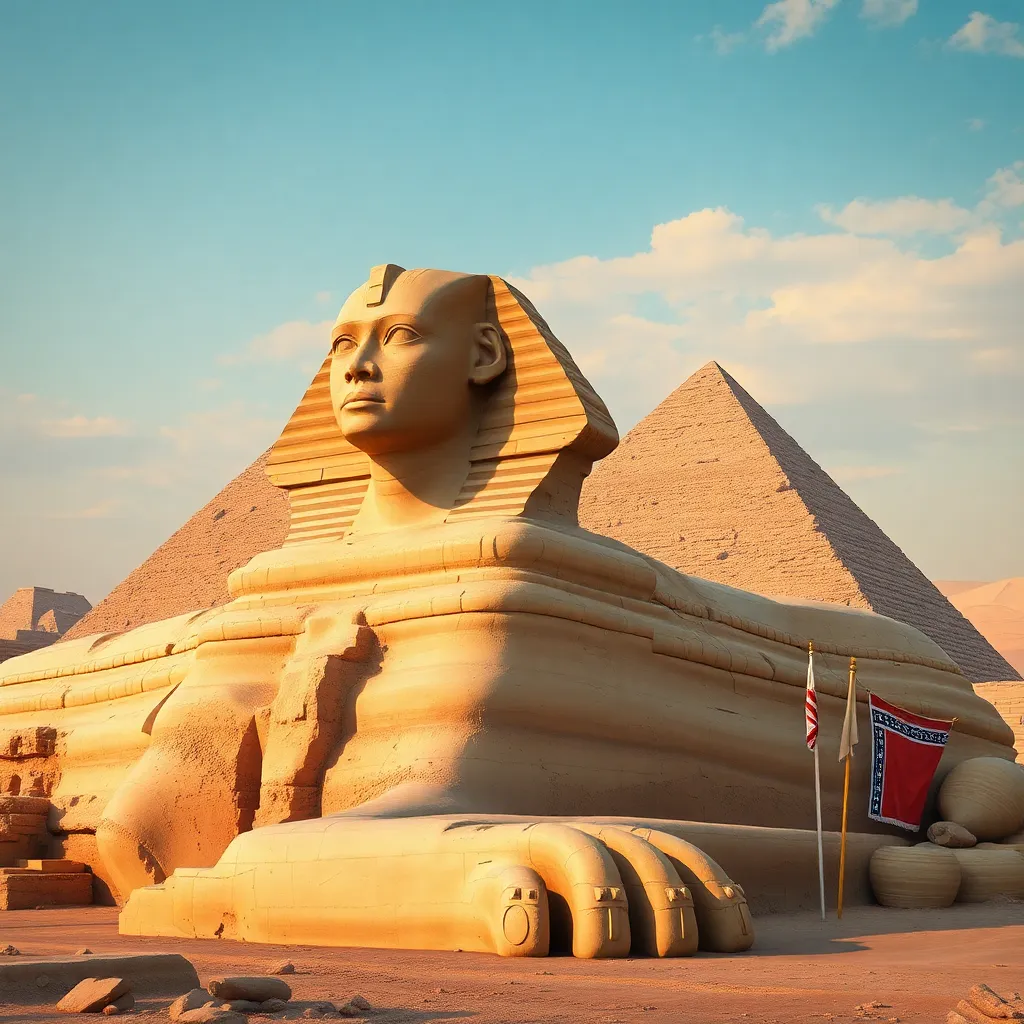
The Sphinx: Myths of Love and Betrayal
I. Introduction
The Sphinx, a creature with the body of a lion and the head of a human, holds a significant place in both ancient Egyptian and Greek mythology. This enigmatic figure is often associated with themes of wisdom, mystery, and enigma, but also embodies complex narratives of love and betrayal. Throughout various myths, the Sphinx presents dilemmas that force characters to confront their deepest emotions and moral choices. This article aims to explore the multifaceted role of the Sphinx in mythology, particularly focusing on how love and betrayal intertwine within these ancient stories.
II. The Origins of the Sphinx
The Sphinx’s origins can be traced back to both Egyptian and Greek mythology, where it serves different yet overlapping purposes. In ancient Egypt, the Sphinx symbolized strength and protection, often found guarding tombs and temples. In contrast, the Greek version of the Sphinx is more closely associated with riddles and challenges.
A. Historical Context in Egyptian and Greek Mythology
In Egyptian mythology, the Great Sphinx of Giza stands as a testament to the civilization’s architectural prowess and spiritual beliefs, symbolizing the pharaoh’s power and wisdom. Conversely, the Greek Sphinx is depicted as a menacing creature that poses riddles to travelers, punishing those who fail to answer correctly.
B. Description of the Sphinx’s Physical Attributes and Symbolism
The Sphinx is characterized by its lion’s body, representing strength and dominion, and its human head, symbolizing intelligence and cunning. This duality signifies the balance between power and intellect, a theme prevalent in many Sphinx narratives.
C. The Duality of the Sphinx as a Guardian and a Deceiver
While the Sphinx acts as a guardian of sacred spaces, it also possesses a deceptive nature, luring individuals into traps with its riddles. This duality encapsulates the complexity of love and betrayal, where trust can easily turn into treachery.
III. The Sphinx in Greek Mythology
The most famous tale involving the Sphinx comes from Greek mythology, particularly the story of Oedipus. This narrative intertwines themes of love, betrayal, and fate, illustrating the tragic consequences of human choices.
A. The Story of Oedipus and the Sphinx
1. The Riddle of the Sphinx
Upon arriving in Thebes, Oedipus encounters the Sphinx, which poses the riddle: “What walks on four legs in the morning, two legs at noon, and three legs in the evening?” Oedipus successfully answers, Man, thus defeating the Sphinx and freeing the city from her curse.
2. Themes of Love and Betrayal in Oedipus’s Journey
Oedipus’s victory over the Sphinx sets him on a path filled with love and betrayal. He marries Jocasta, not realizing she is his mother, leading to tragic revelations and ultimate betrayal of familial bonds.
B. Analysis of the Sphinx’s Role in Oedipus’s Fate
The Sphinx serves as a catalyst in Oedipus’s story, representing the challenges one must face in understanding one’s destiny. His interactions with the Sphinx foreshadow the greater betrayals that will unfold as he uncovers the truth about his identity and relationships.
IV. The Sphinx in Egyptian Mythology
In contrast to its Greek counterpart, the Sphinx in Egyptian mythology embodies protective qualities and divine power. The narratives surrounding Egyptian deities often intersect with themes of love and betrayal.
A. The Sphinx as a Symbol of Protection and Power
The Great Sphinx of Giza is often viewed as a guardian of the pharaoh’s tomb, symbolizing eternal protection and strength. It represents the connection between the earthly realm and the divine.
B. Myths Surrounding the Love Stories of Egyptian Gods and Goddesses
Egyptian mythology is rich with tales of love, such as the stories of Isis and Osiris, where themes of loyalty and betrayal play crucial roles. These narratives often intersect with the Sphinx’s symbolism, emphasizing the complexity of divine relationships.
C. Betrayal and Love in the Context of Divine Relationships
Betrayal often arises in the context of power dynamics among the gods. For instance, Set’s betrayal of Osiris highlights the precarious nature of love and trust, reflecting the Sphinx’s dual role as both protector and deceiver.
V. Symbolism of the Sphinx in Literature and Art
The Sphinx has inspired countless depictions in literature and art, often serving as a metaphor for the complexities of human emotions.
A. Depictions of the Sphinx in Ancient Texts
Ancient texts frequently describe the Sphinx as a harbinger of fate, challenging characters to confront their inner demons. Its riddles symbolize the uncertainties of love and the potential for betrayal.
B. The Sphinx as a Metaphor for Complex Human Emotions
In art, the Sphinx is often depicted in ways that evoke feelings of intrigue, fear, and admiration. It embodies the tension between knowledge and ignorance, love and betrayal.
C. Artistic Representations of Love and Betrayal Involving the Sphinx
- Paintings and sculptures often illustrate the Sphinx’s riddles as pivotal moments of decision-making.
- Literary works frequently frame characters’ encounters with the Sphinx as reflections of their internal struggles with love and betrayal.
VI. Modern Interpretations of the Sphinx Myth
Today, the Sphinx continues to captivate audiences, inspiring contemporary retellings and adaptations across various mediums.
A. Contemporary Retellings and Adaptations in Literature and Film
Modern literature and films often reinterpret the Sphinx’s riddles and symbolism, placing characters in situations that echo the ancient themes of love and betrayal.
B. The Sphinx as a Symbol of Unresolved Psychological Conflicts
In psychological terms, the Sphinx represents the challenges individuals face in reconciling their desires with their fears, particularly in love and relationships.
C. Love and Betrayal Reflected in Modern Narratives
Contemporary stories frequently feature the Sphinx as a figure representing the consequences of betrayal and the complexities of love, drawing parallels to the ancient myths.
VII. The Legacy of the Sphinx in Cultural Consciousness
The Sphinx’s legacy endures, leaving a lasting impact on cultural consciousness and the way we perceive love and betrayal.
A. The Enduring Fascination with the Sphinx in Popular Culture
From literature to film, the Sphinx remains an iconic figure, captivating audiences with its mystique and the moral dilemmas it represents.
B. Impact on Modern Understandings of Love, Trust, and Betrayal
The narratives surrounding the Sphinx serve as cautionary tales, prompting reflections on trust and the potential for betrayal in human relationships.
C. The Sphinx as a Cautionary Figure in Moral Lessons
In many stories, the Sphinx acts as a reminder of the consequences of ignorance and the importance of understanding one’s own heart and the hearts of others.
VIII. Conclusion
In conclusion, the Sphinx plays a pivotal role in myths of love and betrayal, serving as a symbol of the complexities of human emotions. Through its narratives, we are reminded of the timeless themes of trust, deception, and the intricate dance of relationships. The relevance of these themes continues to resonate today, affirming the Sphinx’s status as a timeless emblem of the human experience.