The Sphinx and the Afterlife: Myths of the Underworld
I. Introduction
The Sphinx is one of the most iconic figures in ancient mythology, particularly within the context of Egyptian lore. This mythical creature, with the body of a lion and the head of a human, has captivated the imagination of people for millennia. Its presence in ancient Egypt signifies more than just artistic expression; it embodies complex beliefs about life, death, and the afterlife.
The afterlife holds a significant place in various cultures, often seen as a realm where souls journey after death. In ancient Egyptian culture, the afterlife was a crucial aspect of existence, influencing their practices and beliefs. This article aims to explore the connection between the Sphinx and the myths surrounding the underworld, highlighting its role as a guardian and protector in the journey toward eternity.
II. The Sphinx: Guardian of the Afterlife
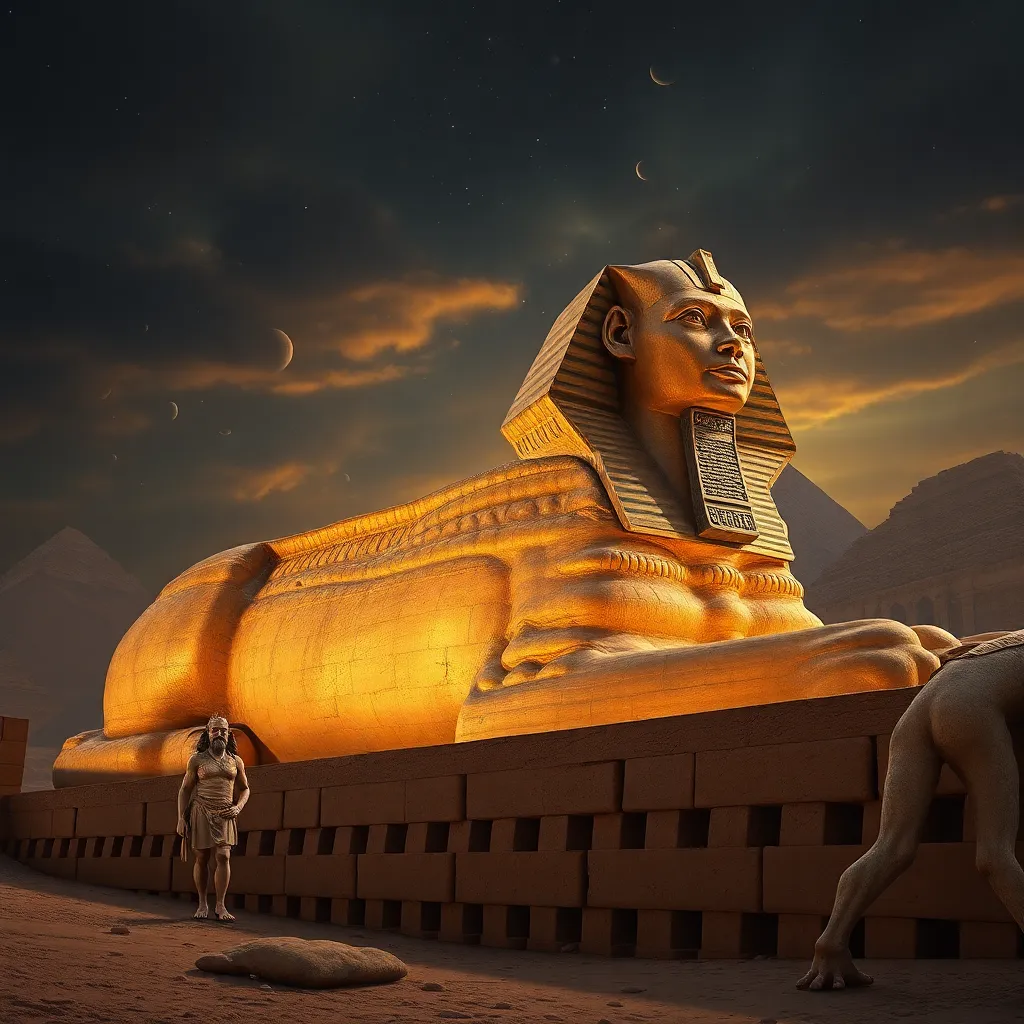
Described as a majestic creature, the Sphinx symbolizes strength, wisdom, and mystery. Its lion’s body represents power and ferocity, while its human head signifies intelligence and a connection to the divine. This duality makes the Sphinx a fitting guardian of sacred spaces, particularly those associated with the afterlife.
In Egyptian mythology, the Sphinx is often depicted as a protector of tombs and sacred places, standing sentinel over the deceased. Its primary role was to guard the entrances to temples and burial sites, ensuring that only the worthy could pass. This protective nature aligns with the belief that the afterlife is a sacred journey, requiring guidance and protection.
III. Ancient Egyptian Beliefs about the Afterlife
The concept of the afterlife in ancient Egypt is intricate and multifaceted. Egyptians believed in a continuation of existence beyond death, where the soul (ka) would embark on a journey through the Duat, or underworld. This journey was fraught with challenges and trials that the deceased had to navigate.
Key deities played significant roles in the afterlife:
- Osiris: The god of the afterlife, resurrection, and fertility, Osiris was a central figure in the belief system surrounding death and rebirth.
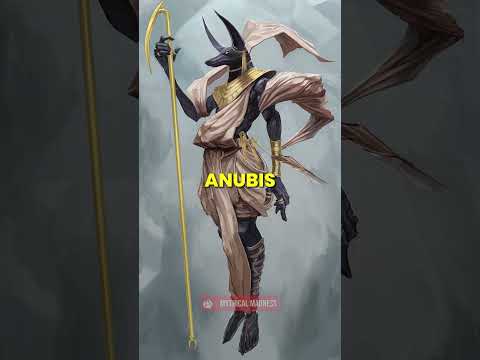
- Anubis: The god of mummification and the protector of graves, Anubis was responsible for guiding souls through the Duat and overseeing the weighing of the heart.
The journey through the Duat involved various stages, including encounters with gods, mythical creatures, and the judgment of the soul’s worthiness.
IV. Myths Surrounding the Underworld
One of the most critical aspects of the Egyptian afterlife mythos is the judgment process, known as the weighing of the heart. In this ritual, the heart of the deceased was weighed against the feather of Ma’at, the goddess of truth and justice. If the heart was lighter than the feather, the soul was deemed worthy and allowed to enter the Field of Reeds, a paradise-like afterlife.
The Book of the Dead is another essential element of these myths, serving as a guide for the deceased in the afterlife. It contains spells, prayers, and incantations designed to assist the soul in overcoming obstacles and achieving a successful journey through the Duat.
Many tales recount the trials faced by souls in the underworld, including battles with serpentine creatures and tests of knowledge and virtue. These stories emphasize the importance of morality and preparation for the afterlife.
V. The Sphinx in Other Cultural Mythologies
While the Sphinx is a distinctive figure in Egyptian mythology, it has parallels in other cultures. The Greco-Roman sphinx, for instance, shares similarities but differs in its portrayal and functions:
- In Greek mythology, the Sphinx posed riddles to travelers and would devour those who could not answer correctly, symbolizing the dangers of ignorance.
- In contrast, the Egyptian Sphinx serves primarily as a guardian rather than a harbinger of doom, reflecting different cultural attitudes towards knowledge and protection.
Across various world mythologies, guardian creatures often embody similar themes of protection, wisdom, and the passage into the afterlife, highlighting the universal nature of these archetypes.
VI. Symbolism of the Sphinx in Art and Literature
The Sphinx has been a prominent figure in Egyptian art, often depicted in sculptures, carvings, and monumental architecture. These depictions emphasize its role as a guardian, with many Sphinxes lining the approaches to temples and burial sites.
In literature and modern media, the Sphinx continues to be a symbol of mystery and enigma. It appears in various works, from ancient texts to contemporary novels and films, often representing the quest for knowledge and the mysteries of the universe.
This enduring legacy speaks to the Sphinx’s significance, transcending time and culture, and showcasing its role as a symbol of the eternal questions surrounding life, death, and what lies beyond.
VII. Contemporary Interpretations of the Sphinx and the Afterlife
In modern culture, the Sphinx is often viewed through a lens of fascination and curiosity. Its enigmatic nature invites exploration and interpretation, prompting discussions about its symbolism and meaning in contemporary society.
The relevance of ancient beliefs persists in today’s world, as many seek to understand the concepts of life, death, and the afterlife. The Sphinx serves as a reminder of the universal human quest for knowledge and the desire to comprehend the mysteries of existence.
Recent archaeological discoveries continue to shed light on the Sphinx and ancient Egyptian beliefs, enhancing our understanding of these complex myths and their cultural significance. As new findings emerge, they provide valuable insights into the past and contribute to the ongoing discourse surrounding the afterlife.
VIII. Conclusion
In summary, the Sphinx holds great significance in the realm of myth and the afterlife. As a guardian of sacred spaces, it symbolizes the journey toward eternity and the protection of the soul. The myths surrounding the Sphinx and the Egyptian afterlife reveal deep cultural beliefs about death, judgment, and the quest for immortality.
The lasting influence of these ancient myths continues to inspire contemporary thought, reminding us of the enduring nature of humanity’s search for understanding. The intersection of mythology, culture, and the mysteries of the afterlife remains a captivating subject, urging us to explore the depths of our beliefs and the legacies of our ancestors.