The Sphinx and Its Role in Egyptian Spirituality
I. Introduction
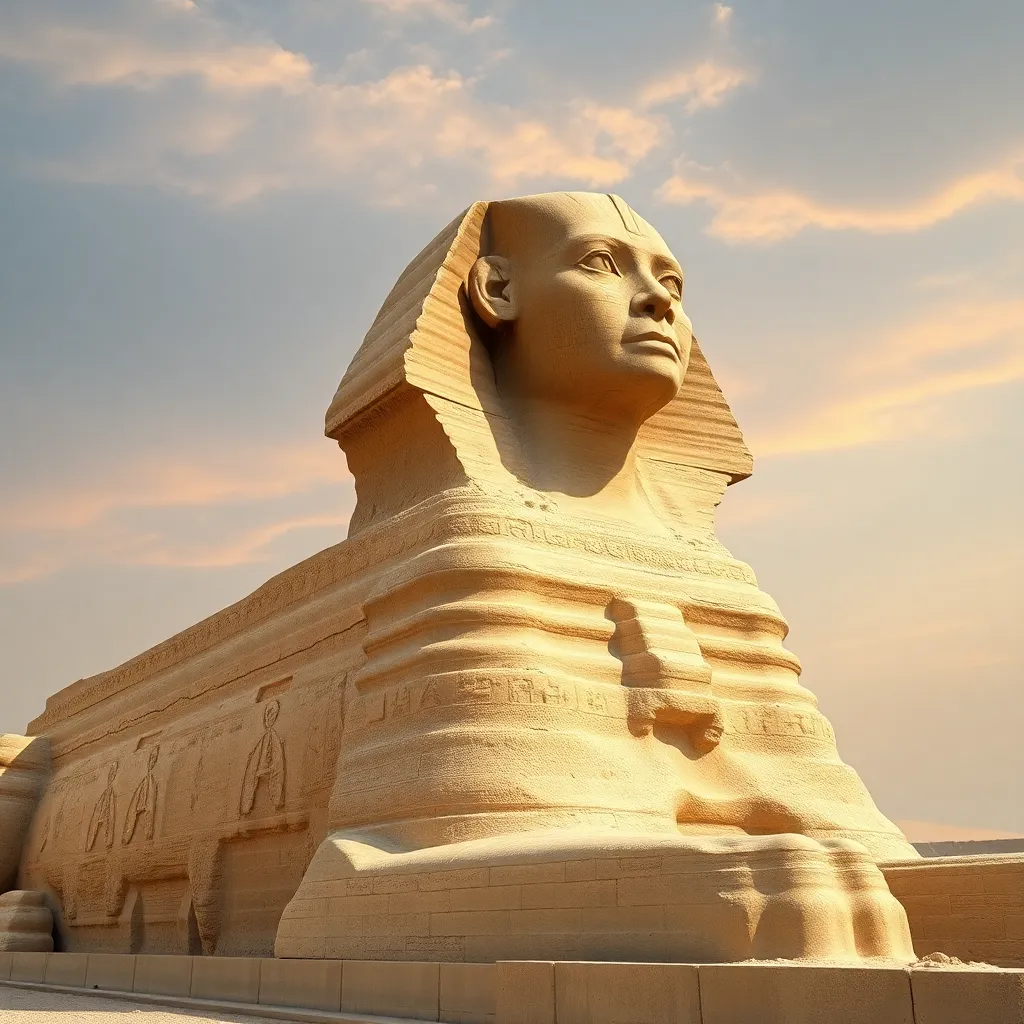
The Great Sphinx of Giza is one of the most iconic symbols of ancient Egypt. With its majestic lion body and human head, the Sphinx has captivated the imagination of historians, archaeologists, and tourists alike for centuries. It stands as a testament to the architectural and artistic prowess of the ancient Egyptians.
Spirituality played a crucial role in ancient Egyptian culture, influencing their art, architecture, and societal structures. The beliefs surrounding the afterlife, gods, and cosmic order shaped the way the Egyptians viewed the world and their place within it.
This article aims to explore the multifaceted role of the Sphinx within Egyptian spirituality, examining its historical context, symbolism, and significance in mythology and contemporary spirituality.
II. Historical Context of the Sphinx
A. Origin and construction of the Great Sphinx of Giza
The Great Sphinx is believed to have been constructed during the reign of Pharaoh Khafre around 2500 BCE, during the Old Kingdom period. It is carved from a single limestone ridge and measures approximately 73 meters (240 feet) long and 20 meters (66 feet) high.
B. The Sphinx in the context of the Old Kingdom
During the Old Kingdom, the Sphinx was part of a larger complex of mortuary temples and pyramids, symbolizing the connection between the pharaohs and the divine. It served not only as a guardian of the Giza Plateau but also as a representation of the pharaoh’s power and divine nature.
C. Architectural significance and symbolism
The architectural design of the Sphinx reflects the advanced engineering skills of the ancient Egyptians. Its size and scale symbolize the might of the pharaoh and the human aspiration to achieve immortality through monumental architecture.
III. Symbolism of the Sphinx
A. Representation of duality: human and animal forms
The Sphinx embodies the duality of nature, combining the strength and ferocity of a lion with the intelligence and wisdom of a human. This dual nature reflects the ancient Egyptian belief in the interconnectedness of the natural and divine worlds.
B. The Sphinx as a guardian figure
Traditionally, the Sphinx is seen as a protective entity, guarding the tombs and temples of the pharaohs. It symbolizes the power of the pharaoh to protect his people and maintain order in the universe.
C. Links to the sun god Ra and the concept of divine kingship
The Sphinx is often associated with the sun god Ra, representing rebirth and the cycle of life. Its alignment with the sunrise suggests its role in the pharaoh’s journey to the afterlife, reinforcing the concept of divine kingship.
IV. The Sphinx in Egyptian Mythology
A. Myths and legends surrounding the Sphinx
The Sphinx features in various myths, often embodying riddles and challenges. One famous legend involves a riddle posed to travelers, with the Sphinx representing the threshold between the known and the unknown.
B. The Sphinx’s connection to the myths of Osiris and Isis
In the mythology of Osiris and Isis, the Sphinx symbolizes the protection of the deceased. It serves as a guardian for the souls of the departed on their journey to the afterlife, echoing themes of resurrection and eternal life.
C. Role in the afterlife and the journey of the soul
The Sphinx’s connection to the afterlife is crucial, guiding souls through the Duat (the Egyptian underworld) and ensuring safe passage to the realm of the dead.
V. Spiritual Significance of the Sphinx
A. The Sphinx as a symbol of protection and guidance
As a guardian figure, the Sphinx represents spiritual protection. It embodies the belief that the divine watches over individuals, guiding them through life’s challenges.
B. Rituals and offerings associated with the Sphinx
Ancient Egyptians performed rituals and made offerings at the Sphinx to invoke its protection. This included:
- Incense offerings
- Food and drink offerings
- Prayers and invocations
C. The Sphinx in funerary practices and beliefs about the afterlife
The Sphinx played a significant role in funerary practices, often depicted in tombs and temples, serving as a protector of the deceased’s journey to the afterlife.
VI. The Sphinx in Art and Literature
A. Depictions of the Sphinx in ancient Egyptian art
The Sphinx has been prominently featured in ancient Egyptian art, including sculptures, wall reliefs, and paintings. These depictions often emphasize its role as a guardian and a symbol of the pharaoh’s strength.
B. References to the Sphinx in ancient texts and literature
Ancient texts, such as the Pyramid Texts, reference the Sphinx in relation to the afterlife and the divine order, emphasizing its importance in Egyptian mythology.
C. Modern interpretations and representations of the Sphinx
In contemporary culture, the Sphinx continues to inspire artists and writers. Its mysterious aura has led to various interpretations across different mediums, including literature, film, and visual arts.
VII. The Sphinx’s Legacy in Contemporary Spirituality
A. The Sphinx as an object of fascination in modern spirituality
Today, the Sphinx remains a powerful symbol in modern spirituality, often associated with wisdom, protection, and mystery. Many spiritual practices draw on its symbolism to inspire meditation and reflection.
B. Influence on new-age beliefs and practices
New-age spiritual movements often incorporate the Sphinx into their beliefs, viewing it as an emblem of ancient wisdom and a guide for personal transformation.
C. The Sphinx in tourism and cultural heritage
The Sphinx attracts millions of tourists each year, serving as a vital component of Egypt’s cultural heritage. Its presence in popular culture helps maintain interest in ancient Egyptian history and spirituality.
VIII. Conclusion
The Sphinx holds a significant role in Egyptian spirituality, representing protection, guidance, and the interplay between the divine and earthly realms. Its rich history and symbolism resonate with the beliefs of ancient Egyptians, reflecting their understanding of life, death, and the afterlife.
As a lasting symbol of mystery and power, the Sphinx continues to captivate the modern imagination, inviting exploration and reflection on the ancient world. Understanding such symbols enhances our appreciation of history and cultural heritage, reminding us of the profound connections between past and present.