The Sphinx and Its Mystical Powers: Fact or Fiction?
I. Introduction
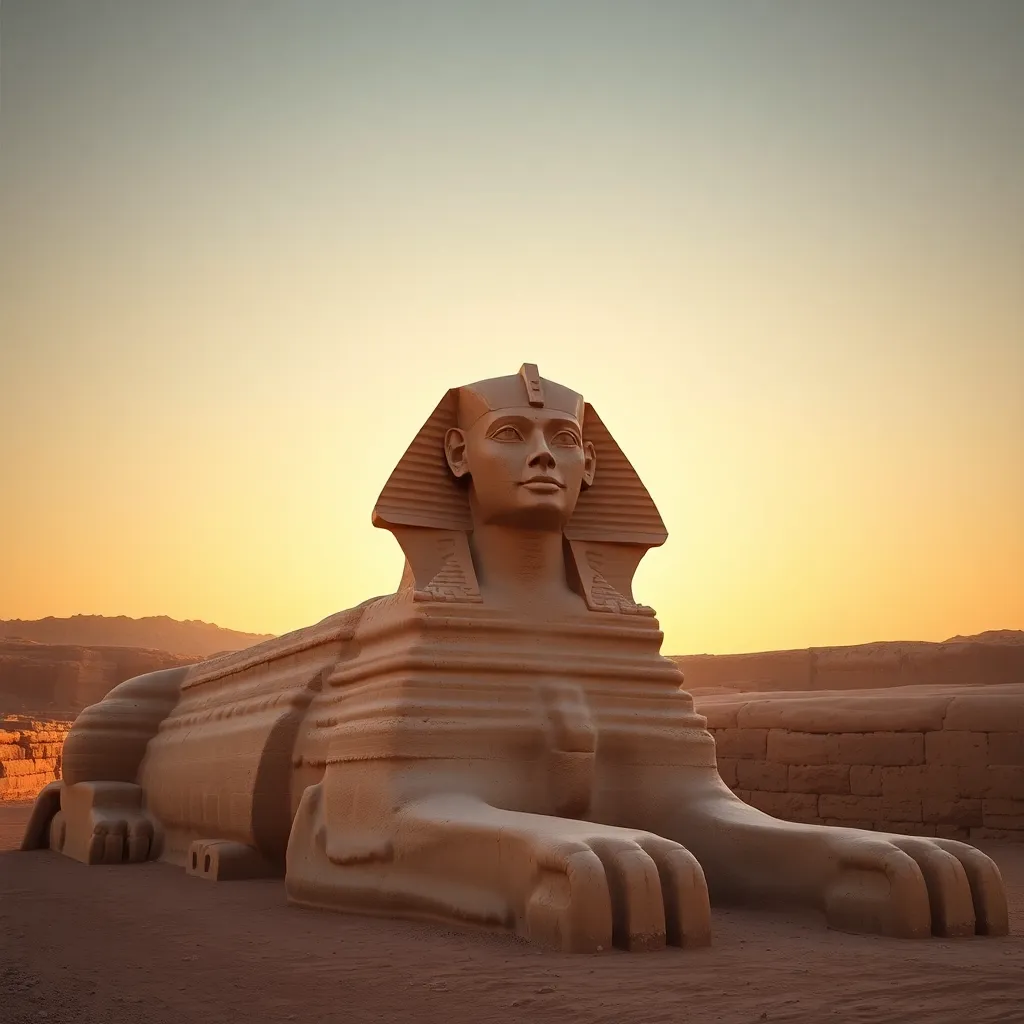
The Great Sphinx of Giza, with its iconic human head and lion’s body, stands as one of the most recognizable symbols of ancient Egypt. Its historical significance stretches back over 4,500 years, captivating the imaginations of historians, archaeologists, and tourists alike.
This enigmatic structure has long been shrouded in legends and tales of mystical powers. From its supposed guardianship over the pyramids to the claims of prophetic wisdom, the allure of the Sphinx continues to draw interest. In this article, we will explore the historical context of the Sphinx, the mystical powers attributed to it, archaeological evidence, and the ongoing fascination surrounding this ancient monument.
II. The Historical Context of the Sphinx
A. Origins and construction of the Great Sphinx of Giza
The Great Sphinx was constructed during the reign of Pharaoh Khafre (c. 2558–2532 BC), who is also credited with the construction of the second pyramid at Giza. The Sphinx is carved from a single limestone ridge and measures about 73 meters long and 20 meters high, making it the largest monolithic statue in the world.
B. Cultural and religious significance in ancient Egypt
In ancient Egyptian culture, the Sphinx symbolized strength and wisdom. Often associated with the sun god Ra, it played a vital role in the religious landscape of ancient Egypt. The Sphinx was believed to be a protector of the Giza plateau, watching over the tombs of the Pharaohs and ensuring their safe passage to the afterlife.
C. The Sphinx in the context of Egyptian mythology
The Sphinx is closely linked to various myths and deities within Egyptian mythology. It embodies the duality of human intelligence and animal strength, reflecting the complex relationship between humanity and divinity in ancient beliefs.
III. The Mystical Powers Attributed to the Sphinx
A. Legends and folklore surrounding the Sphinx
Throughout history, numerous legends have emerged about the Sphinx. Some tales suggest that it possesses the ability to speak and offers riddles to travelers. Those who fail to answer correctly face dire consequences, a theme that resonates with the famous Greek myth of the Sphinx.
B. Symbolism of protection and guardianship
- The Sphinx was often seen as a guardian of sacred sites, especially the pyramids.
- Its massive presence was believed to deter evil spirits and protect the deceased.
- In many depictions, the Sphinx is shown with a solar disk above its head, symbolizing its divine protection.
C. Claims of prophetic abilities and divine wisdom
Some ancient texts and oral traditions suggest that the Sphinx possessed prophetic abilities, offering insights into the future. This idea of divine wisdom contributed to the Sphinx’s legendary status as a source of knowledge and guidance.
IV. Archaeological Evidence and Research
A. Findings from excavations around the Sphinx
Archaeological expeditions have unearthed various artifacts and remnants around the Sphinx, shedding light on its historical context. These findings include tools used in its construction, as well as offerings placed in reverence to the statue.
B. Interpretations of inscriptions and artifacts
Inscriptions found in nearby temples provide valuable insights into the Sphinx’s role in ancient Egyptian society. Some texts reference its protective qualities, while others highlight its connection to the Pharaoh’s divine right to rule.
C. Scholarly debates on the Sphinx’s purpose and powers
Scholars continue to debate the exact purpose of the Sphinx. Some argue it was a royal portrait, while others believe it served primarily as a guardian figure. The ongoing research and discoveries continue to fuel these discussions.
V. The Sphinx in Popular Culture
A. Representations in literature and art
The Sphinx has inspired countless works of art, literature, and poetry. Its mystique is often depicted in stories as a creature of riddles and enigmas, influencing various cultures worldwide.
B. The Sphinx in modern media and films
- The Sphinx appears in numerous films, often portrayed as a symbol of mystery and adventure.
- Video games and literature frequently reference the Sphinx, reinforcing its status as an enduring symbol of ancient wisdom.
C. Impact on contemporary beliefs and myths
Modern interpretations of the Sphinx continue to evolve, intertwining historical facts with myths and legends. This blend contributes to the ongoing allure of the Sphinx in contemporary culture.
VI. Skepticism and Debunking Mystical Claims
A. Scientific explanations for the Sphinx’s features
Scientific analysis has provided explanations for the Sphinx’s features, often attributing its erosion and damage to natural weathering rather than supernatural causes. Geologists and archaeologists continue to study its structure to understand its historical integrity.
B. Critiques of mystical interpretations
Many scholars critique the mystical interpretations of the Sphinx, arguing that such beliefs stem from a misunderstanding of ancient Egyptian culture. They emphasize the need for a factual basis in the study of historical monuments.
C. The role of psychology in belief formation
Psychological factors play a significant role in how myths and legends are formed and perpetuated. The human tendency to seek meaning in the unknown contributes to the fascination with the Sphinx and its supposed mystical powers.
VII. The Ongoing Fascination with the Sphinx
A. Tourism and its influence on Sphinx narratives
The Great Sphinx attracts millions of visitors each year, contributing to the local economy and fostering a narrative of wonder and mystery that surrounds the monument. Such tourism often encourages the preservation of historical sites.
B. The Sphinx as a subject of ongoing research
Ongoing archaeological research continues to reveal new findings related to the Sphinx. Scholars are dedicated to unraveling its mysteries, exploring its construction, and understanding its place in ancient Egyptian society.
C. Future explorations and potential discoveries
The future holds promise for further discoveries around the Sphinx. Advanced technologies, such as ground-penetrating radar and 3D scanning, may unveil hidden chambers or structures, enhancing our understanding of this ancient wonder.
VIII. Conclusion
The Great Sphinx of Giza remains a powerful symbol of ancient Egypt, embodying a blend of history, mythology, and mystique. The balance between fact and fiction in its narrative highlights the importance of preserving historical integrity while embracing ongoing exploration.
As we continue to uncover the truths and legends surrounding the Sphinx, we foster a greater appreciation for its legacy, ensuring that this monumental guardian of ancient wisdom remains a source of fascination for generations to come.