The Sphinx and Its Connection to Egyptian Mythical Creatures
I. Introduction
The Great Sphinx of Giza is one of the most iconic symbols of ancient Egypt, representing a blend of human intellect and animal strength. Carved from limestone, this majestic statue has captivated the imaginations of people for centuries. It stands as a testament to the architectural and artistic achievements of the ancient Egyptians, while also holding significant cultural and religious importance.
The purpose of this article is to explore the Sphinx’s connections to various Egyptian mythical creatures, shedding light on its role in ancient mythology and how it embodies the complexities of Egyptian belief systems.
II. Historical Context of the Sphinx
A. Origins and construction of the Great Sphinx of Giza
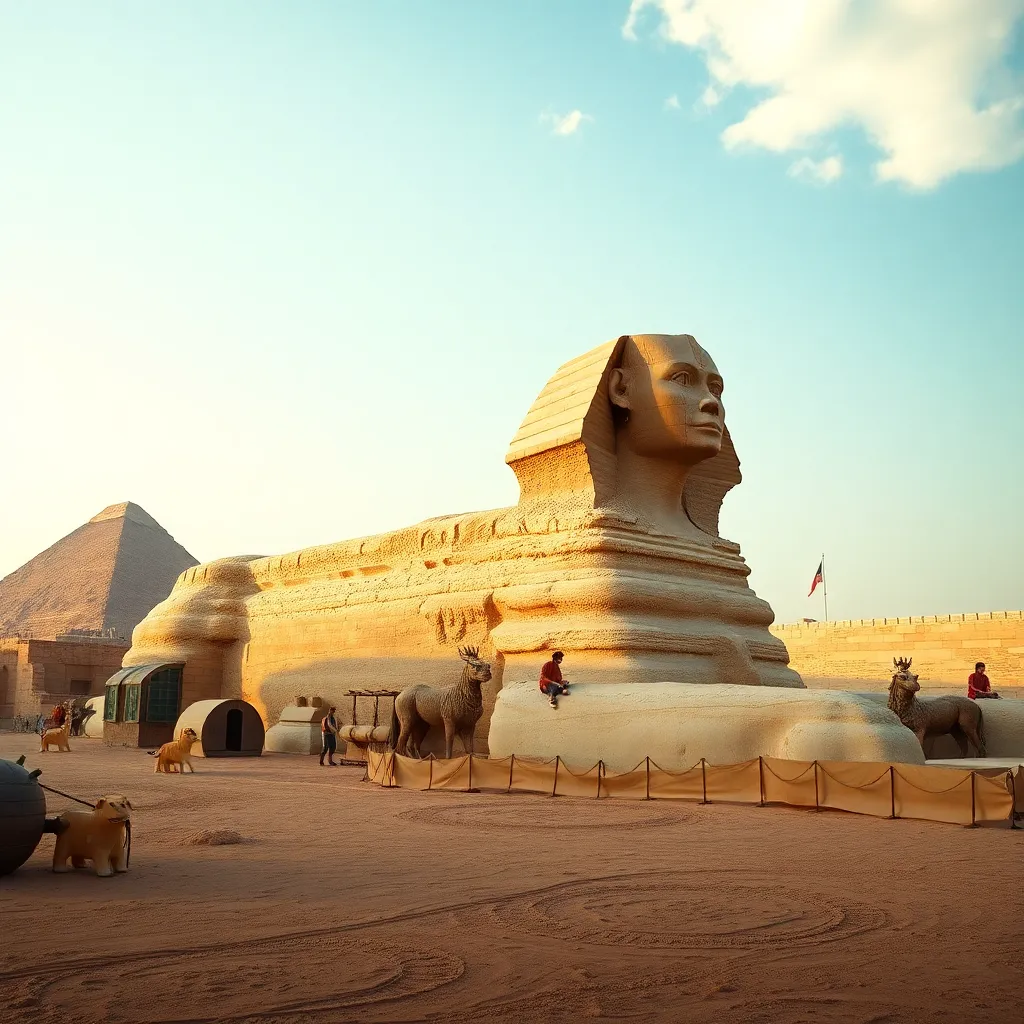
The Great Sphinx is believed to have been constructed during the reign of Pharaoh Khafre around 2500 BCE. It is located near the Giza pyramids and is approximately 73 meters long and 20 meters high. The statue features the body of a lion and the head of a human, thought to represent the pharaoh himself, symbolizing strength and wisdom.
B. The Sphinx in ancient Egyptian society: symbolism and purpose
In ancient Egyptian society, the Sphinx served multiple purposes:
- Protective Guardian: The Sphinx was seen as a guardian of sacred spaces, including tombs and temples.
- Symbol of Power: Its imposing presence was a reflection of the pharaoh’s power and divine right to rule.
- Mythological Significance: The Sphinx was intertwined with various myths and religious beliefs, representing complex ideas of duality and cosmic order.
III. The Sphinx as a Guardian Figure
A. Role of the Sphinx in protecting tombs and temples
The Sphinx was traditionally positioned at the entrances of significant sites, thought to ward off evil spirits and protect the deceased in their journey to the afterlife. Its watchful gaze was believed to ensure the safety and sanctity of the spaces it guarded.
B. Comparison with other guardian figures in Egyptian mythology
In Egyptian mythology, other guardian figures include:
- Bes: A dwarf god associated with protection, particularly of households and childbirth.
- Anubis: The jackal-headed god of mummification and the afterlife, overseeing the burial process.
- Serqet: A scorpion goddess who protected the dead from harmful creatures in the underworld.
Like these figures, the Sphinx embodied the concept of guardianship, playing a crucial role in ensuring the safety of the sacred and the dead.
IV. The Mythical Significance of the Sphinx
A. The Sphinx’s representation of duality: human and lion
The duality of the Sphinx—its human head and lion body—represents the harmony between intellect and strength. This duality is a recurring theme in Egyptian mythology, underscoring the balance between human traits and animalistic power.
B. Connection to the concept of Ma’at and cosmic balance
Ma’at, the ancient Egyptian concept of truth, balance, and cosmic order, is closely tied to the Sphinx. The Sphinx embodies the principles of Ma’at by representing the equilibrium between the human and the divine, and the earthly and the cosmic. It serves as a reminder of the importance of balance in life and the afterlife.
V. Egyptian Mythical Creatures: An Overview
A. Introduction to prominent Egyptian mythical creatures
Egyptian mythology is rich with various mythical creatures, each serving distinct roles in religious and cultural narratives. Some prominent examples include:
- Griffins: Creatures with the body of a lion and the head and wings of an eagle, symbolizing strength and protection.
- Serpents: Often associated with chaos and danger, serpents like Apep represented evil and were adversaries to the sun god Ra.
- Deities: Gods and goddesses like Horus (falcon-headed) and Hathor (cow-headed) played vital roles in the mythology and spirituality of ancient Egypt.
B. The importance of these creatures in Egyptian mythology and religion
These mythical creatures were integral to Egyptian religion, often embodying fundamental concepts such as protection, chaos, and divinity. They were invoked in rituals and represented in art, reflecting the beliefs and values of ancient Egyptian society.
VI. The Sphinx and Its Mythical Counterparts
A. Similarities between the Sphinx and other mythical creatures
The Sphinx shares several characteristics with other mythical creatures in Egyptian lore:
- Guardian Role: Much like griffins and other protective figures, the Sphinx serves as a sentinel of sacred spaces.
- Symbolism of Duality: Similar to the combination of animal and human forms in other creatures, the Sphinx embodies the convergence of different realms.
- Connection to the Divine: Both the Sphinx and Egyptian deities symbolize the connection between the mortal world and the divine.
B. The Sphinx in myths: stories and legends surrounding its existence
Throughout history, the Sphinx has been the subject of numerous myths and legends, including:
- The riddle of the Sphinx, which posed questions to travelers and symbolized the quest for knowledge.
- Its connection to the soul of the pharaoh, believed to guide them in the afterlife.
- Legends of hidden treasures and secrets beneath the Sphinx, which have captivated treasure seekers over the ages.
VII. Artistic Representations and Iconography
A. Analysis of the Sphinx in ancient Egyptian art
The Sphinx has been depicted in various forms of ancient Egyptian art, from monumental sculptures to smaller amulets. Its imagery often conveys themes of power, protection, and the divine. The Sphinx was frequently included in tomb paintings and temple reliefs, emphasizing its significance in both life and death.
B. Influence of the Sphinx on subsequent depictions of mythical creatures
The Sphinx’s unique combination of human and animal traits has influenced artistic representations of mythical creatures throughout history. Its legacy can be seen in various cultures, where similar hybrid beings symbolize strength and wisdom. The Sphinx continues to inspire artists and storytellers, maintaining its relevance in modern interpretations of mythology.
VIII. Conclusion
In summary, the Sphinx holds a profound place in Egyptian mythology as a symbol of duality, guardianship, and cosmic balance. Its connections to various mythical creatures highlight the complexities of ancient Egyptian belief systems and the enduring legacy of their culture.
As we reflect on the Sphinx’s significance, it is clear that its allure extends beyond ancient history, continuing to fascinate scholars, travelers, and enthusiasts alike. The Sphinx remains a powerful emblem of Egypt’s rich mythical tapestry, inviting us to explore the mysteries of the past and their relevance in contemporary culture.