The Significance of the Ankh in Egyptian Tomb Texts
I. Introduction
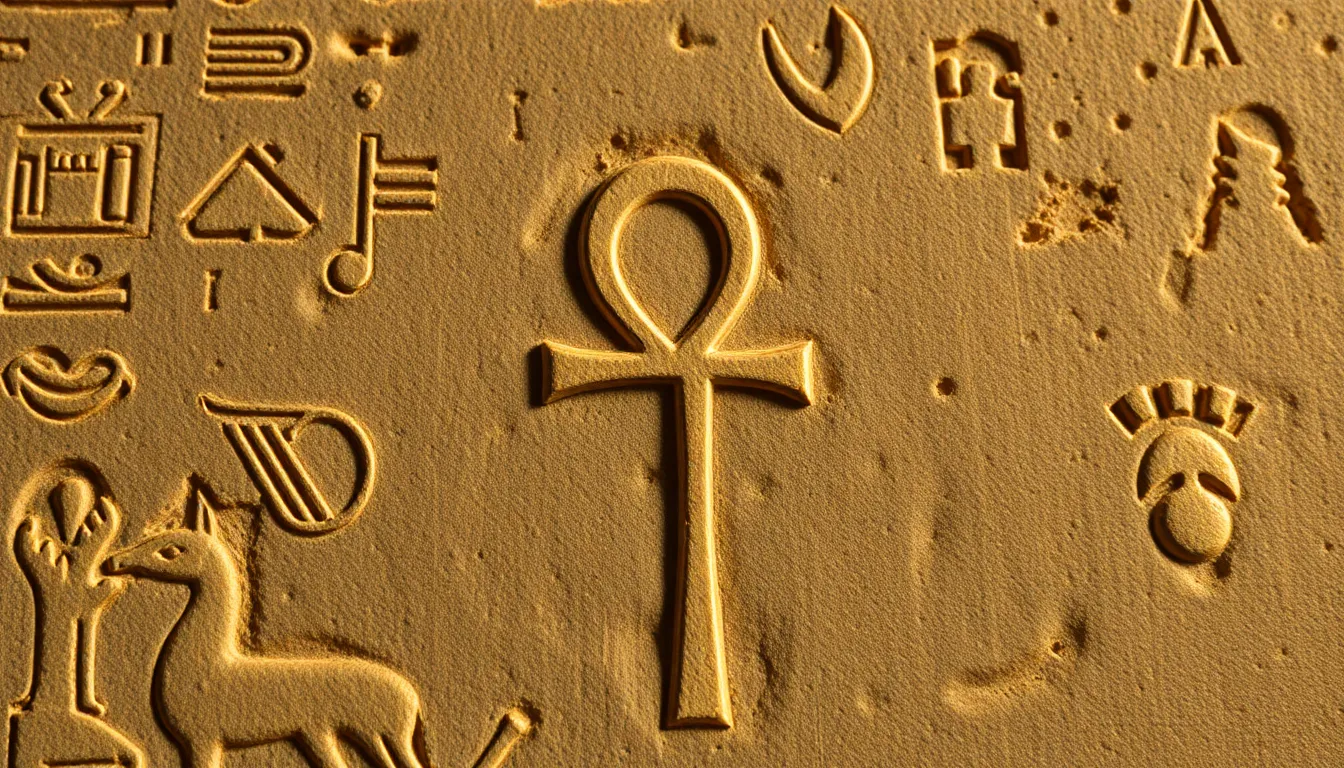
The ankh is one of the most recognizable symbols of ancient Egypt, often depicted as a cross with a loop at the top. This ancient symbol has captured the imagination of many, representing life, immortality, and the divine. In tomb texts, the ankh holds profound significance, illustrating the beliefs and practices surrounding life and death in ancient Egyptian culture. This article aims to explore the multifaceted significance of the ankh in tomb texts, delving into its historical context, its representation of life and the afterlife, and its role in rituals and symbolism.
II. Historical Context of the Ankh
A. Origins of the ankh symbol in ancient Egypt
The ankh has its origins in the early dynastic period of ancient Egypt, emerging around the 3rd millennium BCE. The symbol is believed to represent the concept of life and fertility. Its shape is thought to resemble a key, suggesting the unlocking of the doors to the afterlife. The ankh is often associated with the gods and goddesses, particularly those linked to life and rebirth.
B. Evolution of the ankh’s meaning throughout Egyptian history
Over the centuries, the meaning of the ankh evolved, becoming increasingly associated with the afterlife and the eternal nature of the soul. It was used in various contexts, including art, jewelry, and religious texts. As the beliefs surrounding life and death in ancient Egypt became more complex, the ankh remained a central symbol, embodying the hope for immortality and divine protection.
III. The Ankh and Concepts of Life and Death
A. The ankh as a symbol of life and immortality
The ankh is often referred to as the “key of life” and is associated with the breath of life. It symbolizes not just physical existence but also spiritual vitality. In ancient Egyptian belief, possessing an ankh meant having access to eternal life. The symbol, therefore, embodies the Egyptians’ deep reverence for life and their quest for immortality.
B. Its role in the context of the afterlife beliefs in ancient Egypt
In the context of ancient Egyptian afterlife beliefs, the ankh played a crucial role. It was believed that the ankh could grant the deceased the power to live eternally in the afterlife. Tombs were often adorned with images of the ankh, emphasizing its significance in the journey beyond death. The ankh was seen as a means of ensuring the deceased’s safe passage and continued existence in the realm of the gods.
IV. The Ankh in Egyptian Tomb Texts
A. Common appearances of the ankh in tomb inscriptions and artwork
The ankh frequently appears in tomb inscriptions and wall paintings. It is often depicted being held by gods, goddesses, or the deceased themselves. In many cases, the ankh is shown being offered to the deceased, symbolizing the gift of life and protection in the afterlife. The presence of the ankh in tomb art serves to reinforce the importance of life and the promise of immortality.
B. Analysis of specific tomb texts featuring the ankh
Several specific tomb texts highlight the ankh’s significance:
- The Pyramid Texts: These ancient texts contain numerous references to the ankh, emphasizing its role in the resurrection of the deceased.
- The Coffin Texts: These texts often feature spells that include the ankh, reinforcing its power to grant eternal life.
- The Book of the Dead: This collection of spells includes illustrations of the ankh being used in rituals for the deceased, showcasing its protective qualities.
V. Rituals and Practices Associated with the Ankh
A. The use of the ankh in funerary rituals
The ankh was integral to many funerary rituals in ancient Egypt. It was commonly included in the burial items placed in tombs, symbolizing the hope for the deceased’s continued life. Priests often used the ankh in rituals, touching it to the body of the deceased to impart life and vitality.
B. The ankh as a protective symbol for the deceased
The ankh served as a protective talisman for the deceased, ensuring their safety in the afterlife. Amulets featuring the ankh were commonly placed within the tomb or worn by the deceased. This protective aspect highlighted the belief that the ankh could ward off evil and provide guidance in the perilous journey through the afterlife.
VI. Symbolic Interpretation of the Ankh
A. Different interpretations of the ankh in various texts
The meaning of the ankh can vary depending on the context in which it is used. In some texts, it represents the sustenance of life, while in others, it symbolizes the divine connection between the gods and humanity. Its interpretations are rich and diverse, reflecting the complexity of ancient Egyptian belief systems.
B. The ankh’s relationship with other Egyptian symbols
The ankh is often associated with other significant symbols in ancient Egypt, including:
- Ouroboros: The serpent eating its own tail, symbolizing eternity and the cyclical nature of life.
- Scarabs: Representing rebirth and transformation, often seen alongside the ankh.
- Eye of Horus: Symbolizing protection and royal power, frequently depicted with the ankh in tomb artwork.
VII. Modern Relevance of the Ankh
A. The revival of the ankh in contemporary culture
In contemporary culture, the ankh has experienced a revival, becoming a popular symbol in fashion, jewelry, and art. It is often embraced as a representation of life and spirituality, appealing to those interested in ancient civilizations and their beliefs.
B. The ongoing interest in ancient Egyptian symbols
The fascination with ancient Egyptian symbols, including the ankh, continues to thrive in modern society. Educational programs, documentaries, and exhibitions often highlight these symbols, ensuring that their meanings and significance are preserved for future generations. The ankh, in particular, stands out as a powerful emblem of life, death, and the quest for immortality.
VIII. Conclusion
The ankh holds a significant place in ancient Egyptian tomb texts, embodying the complexities of life, death, and the afterlife. Its representation as a symbol of life and immortality, alongside its protective qualities, underscores its importance in funerary practices and beliefs. As we reflect on the enduring legacy of the ankh, we recognize its profound impact on both ancient Egyptian culture and modern interpretations of spirituality and life.