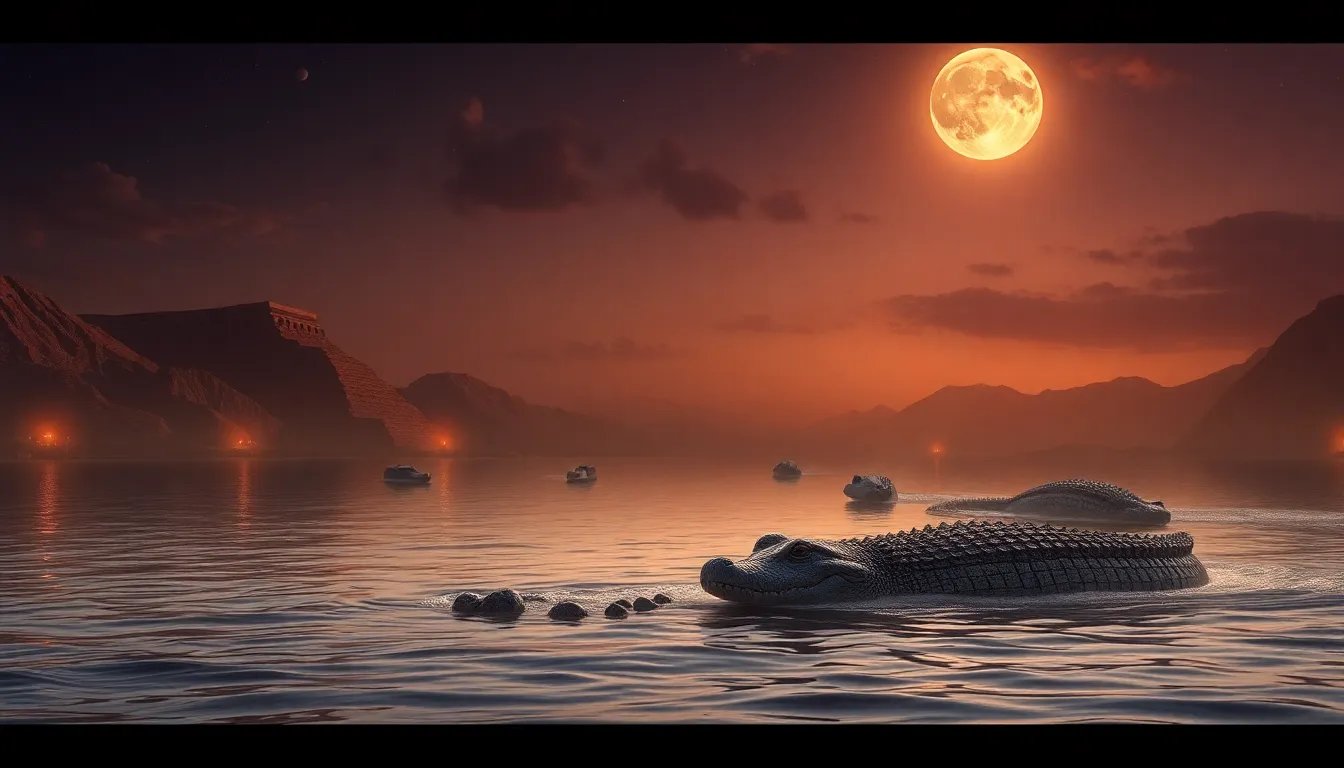
The Serpent’s Path: The Geography of the Nile’s Crocodiles
I. Introduction
The Nile River, one of the longest rivers in the world, flows through eleven countries and has been a lifeline for civilizations for thousands of years. Its waters not only support human life but also sustain a complex ecosystem, where various species thrive, including the formidable Nile crocodile. This apex predator plays a crucial role in maintaining the ecological balance of the river’s environment. The purpose of this article is to explore the geography of the Nile’s crocodiles, examining their habitats, distribution, ecological roles, cultural significance, and the threats they face.
II. The Habitat of Nile Crocodiles
The Nile River’s geography is characterized by a diverse range of features, from lush banks and dense wetlands to rocky outcrops and expansive floodplains. These habitats create ideal conditions for the Nile crocodile.
A. Description of the Nile River’s geographical features
- Length: Approximately 6,650 kilometers (4,130 miles).
- Source: Lake Victoria and other tributaries.
- Course: Flows north through northeastern Africa, culminating in the Mediterranean Sea.
B. Ideal habitats for crocodiles along the river
Nile crocodiles thrive in various habitats along the river, including:
- Swamps and marshes rich in aquatic vegetation.
- Slow-moving sections of the river where they can bask in the sun.
- Estuaries and deltas where freshwater meets saltwater.
C. Seasonal changes and their impact on crocodile habitats
Seasonal changes significantly impact crocodile habitats. During the rainy season, water levels rise, expanding their territories and providing ample food sources. Conversely, during the dry season, water recedes, concentrating crocodiles in smaller areas, which may lead to increased competition for resources.
III. Distribution of Nile Crocodiles
The Nile crocodile has a wide geographic range across Africa, from the Nile River basin to various lakes and rivers throughout the continent.
A. Geographic range of Nile crocodiles across Africa
These crocodiles are primarily found in:
- The Nile River and its tributaries.
- Lakes such as Lake Victoria, Lake Albert, and Lake Tanganyika.
- Other major rivers, including the Zambezi and Congo.
B. Key regions and hotspots for crocodile populations
Some key regions where Nile crocodile populations thrive include:
- The Okavango Delta in Botswana.
- The wetlands of the Sudd in South Sudan.
- The Nile Delta in Egypt.
C. Factors influencing distribution patterns
Several factors influence the distribution of Nile crocodiles, including:
- Availability of suitable habitats.
- Prey availability.
- Human encroachment and habitat destruction.
IV. Ecological Role of Crocodiles in the Nile River
Nile crocodiles play a vital role in the ecosystem of the Nile River, acting as apex predators that help regulate the populations of various species.
A. Predator-prey dynamics in the aquatic ecosystem
As top predators, Nile crocodiles help maintain the balance of the aquatic ecosystem by controlling the populations of fish and other animals.
B. Contributions to biodiversity and habitat maintenance
By preying on herbivorous species, crocodiles contribute to maintaining healthy vegetation growth along the riverbanks, promoting biodiversity.
C. Interactions with other species in the Nile environment
Crocodiles interact with numerous species, including:
- Fish: They help control fish populations.
- Birds: They can provide nesting sites for certain bird species.
- Smaller mammals: They impact the population dynamics of these animals.
V. Threats to Nile Crocodile Populations
Despite their resilience, Nile crocodile populations face numerous threats that jeopardize their survival.
A. Human activities impacting habitats
Human activities such as pollution, agricultural expansion, and urban development significantly impact their habitats, leading to habitat loss and degradation.
B. Climate change and its effects on the Nile ecosystem
Climate change poses a severe threat through altered rainfall patterns, increasing temperatures, and rising water levels, which can affect crocodile breeding and feeding grounds.
C. Conservation status and legal protections for crocodiles
The Nile crocodile is listed as “Least Concern” by the IUCN, but local populations can be threatened. Legal protections exist in some regions, but enforcement is often lacking.
VI. Cultural Significance of Nile Crocodiles
Nile crocodiles have held a prominent place in both ancient and modern cultures.
A. Historical perspectives: crocodiles in ancient Egyptian culture
In ancient Egypt, crocodiles were associated with the god Sobek, who represented fertility and protection. They were both revered and feared, influencing art and mythology.
B. Modern perceptions and myths surrounding Nile crocodiles
Modern perceptions of crocodiles can vary widely, with some viewing them as dangerous predators, while others recognize their ecological importance.
C. The role of crocodiles in local economies and tourism
In many regions, crocodiles attract tourists, contributing to local economies through eco-tourism initiatives.
VII. Conservation Efforts and Future Outlook
Efforts to conserve Nile crocodiles are ongoing, with various initiatives aimed at protecting their habitats and raising awareness.
A. Current conservation initiatives for Nile crocodiles
Several organizations are working to establish protected areas and promote sustainable practices to safeguard crocodile populations.
B. Community involvement and education programs
Community involvement is crucial for conservation, with education programs aimed at informing locals about the ecological role of crocodiles and promoting coexistence.
C. The importance of sustainable practices for future populations
Implementing sustainable agricultural and fishing practices can help reduce human-wildlife conflict and ensure the survival of crocodile populations.
VIII. Conclusion
In conclusion, the Nile’s crocodiles are an integral part of the river’s ecosystem, providing essential ecological functions and holding significant cultural value. Protecting these magnificent creatures and their habitats is crucial for maintaining biodiversity and ensuring the health of the Nile River. We must raise awareness and support conservation efforts to ensure that future generations can appreciate the vital role of Nile crocodiles in their natural environment.