The Serpent Queens: Unveiling the Secrets of Female Pharaohs
I. Introduction
Throughout history, the narratives surrounding the rulers of ancient Egypt have predominantly spotlighted male pharaohs. However, the contributions and reigns of female pharaohs are equally significant, revealing a complex tapestry of power dynamics and cultural shifts. This article delves into the lives of these remarkable women, their influence on Egyptian history, and the lessons we can draw from their legacies.
The significance of female pharaohs extends beyond their political achievements; they played crucial roles as mothers, wives, and religious figures, shaping the cultural and spiritual landscape of ancient Egypt. The purpose of this article is to explore the historical context, notable figures, and lasting impact of these powerful women.
II. Historical Context of Female Rule in Ancient Egypt
The political structure of ancient Egypt was characterized by a strong centralized monarchy, typically ruled by a king or pharaoh. While male rulers were the norm, women occasionally ascended to the throne, either in their own right or as co-regents. This unusual occurrence was often facilitated by the unique political and social frameworks of ancient Egyptian society.
Female pharaohs emerged primarily during periods of political instability or when a male heir was absent. These women often seized power through familial connections or marriage alliances, showcasing their ability to navigate a male-dominated political landscape. Cultural perceptions of women varied, with some viewing them as symbols of fertility and motherhood, while others saw them as capable leaders and warriors.
III. Notable Female Pharaohs and Their Reigns
Several female pharaohs stand out in history for their remarkable reigns and contributions:
- Hatshepsut: Often regarded as the first great female pharaoh, Hatshepsut ruled during the 18th dynasty. She is known for her ambitious building projects, including her mortuary temple at Deir el-Bahari, and for establishing trade networks that expanded Egypt’s wealth. Hatshepsut adopted male regalia and titles, presenting herself as a king to solidify her authority.
- Cleopatra VII: The last pharaoh of Egypt, Cleopatra VII is perhaps the most famous female ruler. Her reign marked the end of the Ptolemaic Kingdom and the beginning of Roman influence in Egypt. Cleopatra was known for her intelligence, political acumen, and relationships with powerful Roman leaders such as Julius Caesar and Mark Antony, which she utilized to secure her throne and protect her kingdom.
- Nefertiti: Although not a pharaoh in the traditional sense, Queen Nefertiti, the wife of Pharaoh Akhenaten, played a crucial role in the religious revolution that centered around the worship of the sun god Aten. Her beauty and influence are immortalized in art, and she is often associated with one of the most significant cultural shifts in ancient Egyptian history.
IV. The Power Dynamics of Gender in Ancient Egypt
Gender roles in ancient Egyptian society were complex and often contradictory. While men primarily held power in political and military spheres, women had significant rights and could own property, initiate divorce, and manage businesses. Female pharaohs challenged these gender norms by stepping into roles traditionally reserved for men.
To navigate the male-dominated political landscape, female pharaohs often relied on:
- Marriage Alliances: Many female rulers married their brothers or other close relatives to solidify their claims to the throne and maintain political stability.
- Family Ties: By leveraging their familial connections, women could gain support from influential male figures, ensuring their power was recognized and respected.
V. Religious and Cultural Significance of Female Pharaohs
Women held essential roles in ancient Egyptian religion, often serving as priestesses and goddesses. Female pharaohs not only ruled but also embodied divine qualities, acting as intermediaries between the gods and the people.
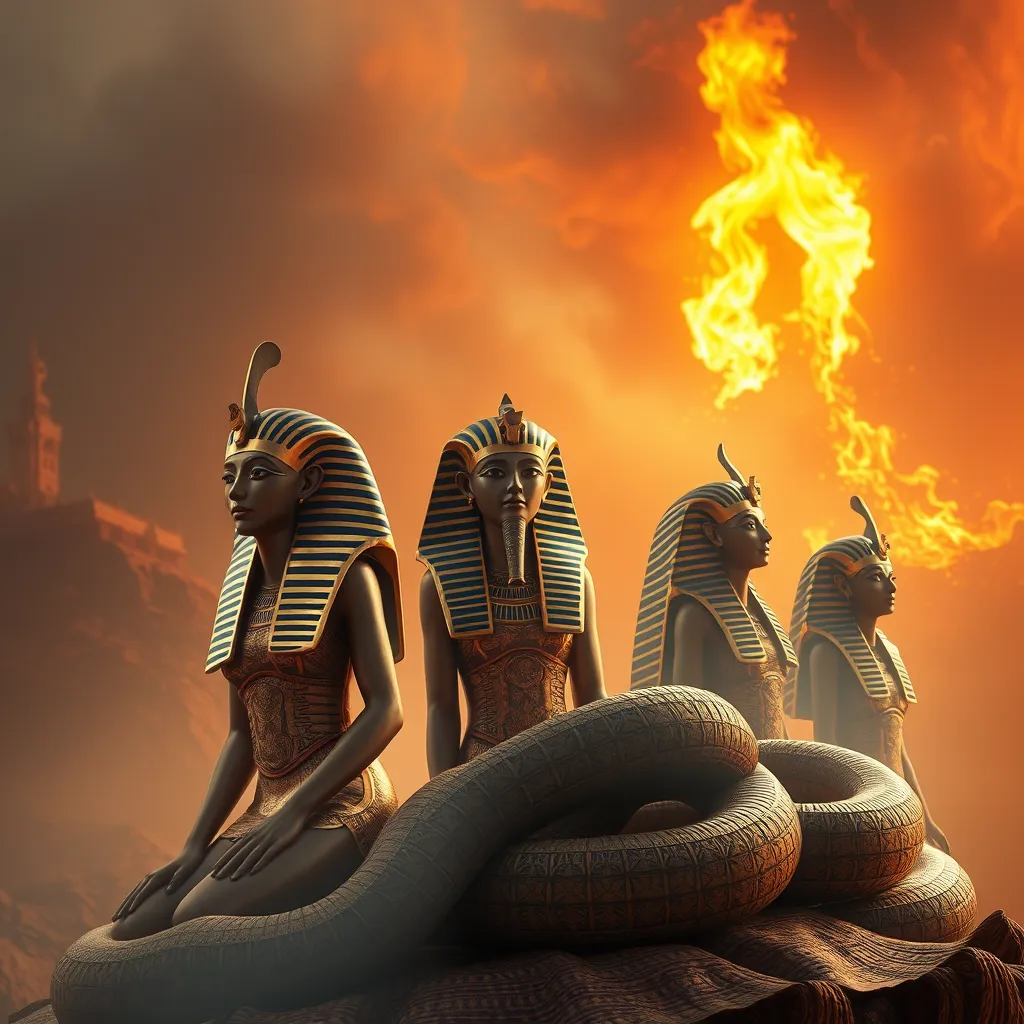
Art and architecture from this period frequently depict female pharaohs in powerful poses, often adorned with traditional symbols of kingship. The serpent, a potent symbol in ancient Egypt, is closely associated with femininity and royal power, reflecting the duality of life and death.
VI. The Legacy of Female Pharaohs
The impact of female pharaohs on subsequent generations is profound. Their reigns challenged traditional gender roles and expanded the understanding of leadership in ancient societies. Over time, modern perspectives on female leadership have evolved, recognizing the importance of inclusivity and representation in governance.
Today, scholarship and media increasingly highlight the achievements of female pharaohs, reshaping our understanding of ancient history. These narratives inspire contemporary discussions on women’s roles in leadership and society.
VII. Archaeological Discoveries and Their Implications
Recent archaeological discoveries have shed light on the lives of female pharaohs, revealing new insights into their reigns and the societies they ruled. Key findings include:
- Burial sites containing artifacts and inscriptions that affirm the status of female rulers.
- Artworks depicting female pharaohs in traditionally male roles, challenging preconceived notions of gender and power in ancient Egypt.
- Evidence of trade networks and diplomatic relationships fostered by female rulers, illustrating their political significance.
These discoveries challenge previous historical narratives that often minimized the roles of women in leadership positions and underscore the importance of preserving the history of female leaders.
VIII. Conclusion
The significance of female pharaohs in ancient Egypt cannot be overstated. Their stories reflect the complexity of gender roles, power dynamics, and cultural perceptions of women in leadership. As we continue to explore the legacies of these remarkable women, their narratives remain relevant in today’s society, encouraging further investigation into the roles of women throughout history.
In conclusion, the tales of female pharaohs invite us to recognize and celebrate the contributions of women in all spheres of life. A call to action for researchers, historians, and enthusiasts alike is to further explore and document the stories of female historical figures, ensuring their legacies are not forgotten but celebrated.