The Serpent Queen’s Power: Exploring the Influence of Women in Ancient Egyptian Politics
I. Introduction
Ancient Egypt is renowned for its rich history, monumental architecture, and complex society. Its political structure was characterized by a powerful central authority, often embodied in the figure of the Pharaoh. However, the significance of women in ancient Egyptian politics is a vital aspect of this historical narrative. While the Pharaohs were typically male, women played crucial roles in governance, diplomacy, and religious practices, often wielding considerable influence behind the scenes.
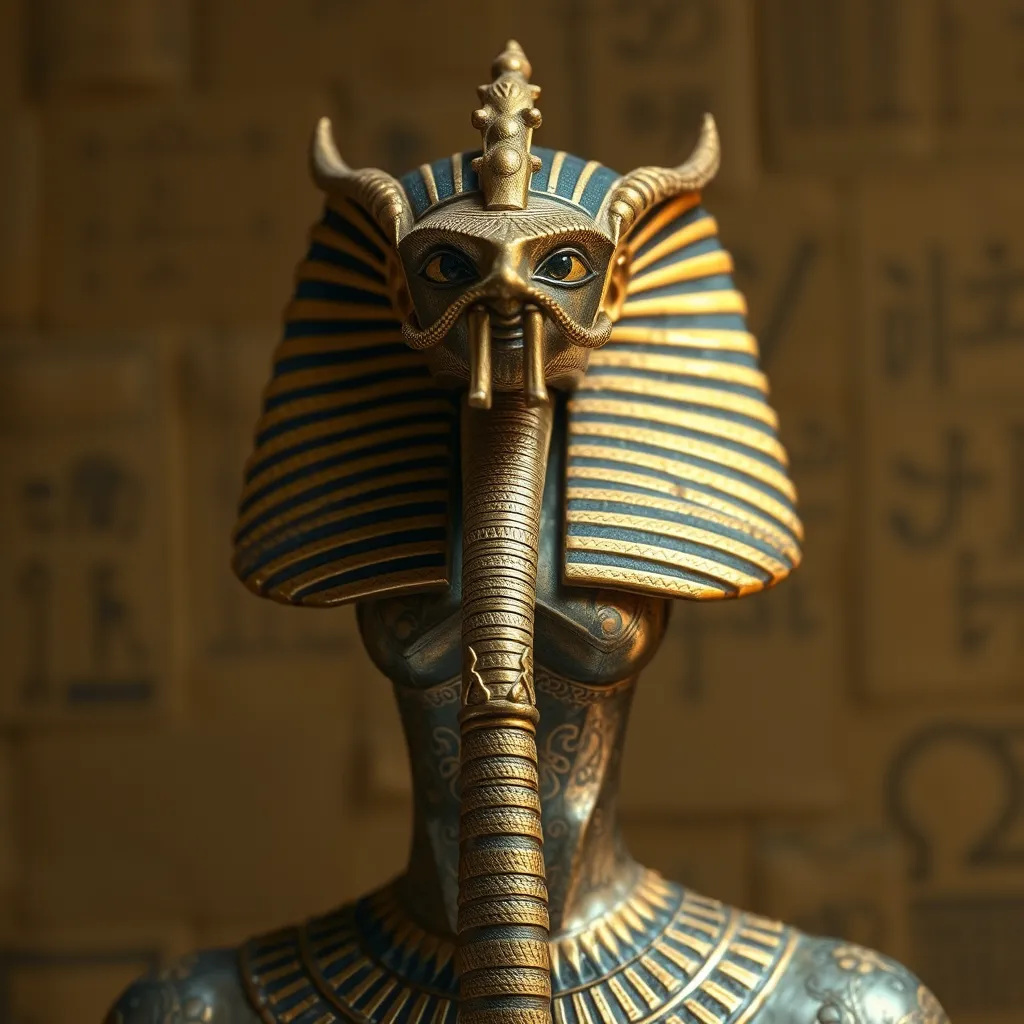
The concept of the “Serpent Queen” symbolizes female power and influence in ancient Egypt, highlighting the ways in which women navigated and sometimes transcended the limitations imposed by their society. This article delves into the historical context, prominent female figures, the role of goddesses, and the challenges faced by women in ancient Egyptian politics.
II. Historical Context of Women in Ancient Egypt
In ancient Egyptian society, women enjoyed a relatively high status compared to their counterparts in other ancient civilizations. They were responsible for household management, childcare, and could own property, engage in business, and initiate divorce. Their societal roles, while often centered around the home, also extended into public life, particularly through religious and royal avenues.
- Societal roles: Women were often seen as the “mistresses of the house,” but their influence could extend into politics when they held titles such as “Great Royal Wife.”
- Comparison with other civilizations: Unlike in Mesopotamia or Greece, where women had limited rights, Egyptian women could inherit property and were legally recognized.
- Legal rights: Women had the right to own land and wealth, and they could represent themselves in legal matters.
III. Prominent Female Figures in Ancient Egyptian Politics
Throughout ancient Egyptian history, several women rose to prominence, wielding power and influence in various capacities.
A. Hatshepsut: The Female Pharaoh
Hatshepsut is one of the most notable female figures in ancient Egypt, serving as Pharaoh in the 18th Dynasty. Her reign is marked by significant achievements.
- Rise to power: Hatshepsut initially ruled as regent for her stepson, Thutmose III, but eventually declared herself Pharaoh.
- Achievements: She oversaw extensive building projects, including the magnificent temple at Deir el-Bahari, and established trade networks that enriched Egypt.
B. Cleopatra VII: The Last Pharaoh of Egypt
Cleopatra VII is perhaps the most famous female ruler of ancient Egypt, known for her intelligence and political acumen.
- Political alliances: Cleopatra formed strategic alliances with powerful Roman leaders such as Julius Caesar and Mark Antony, using these relationships to bolster her rule.
- Influence on Roman politics: Her reign coincided with significant political turmoil in Rome, and her involvement had lasting implications for both Egyptian and Roman history.
C. Nefertiti and the Role of Queens in State Affairs
Nefertiti, the Great Royal Wife of Pharaoh Akhenaten, is another significant figure. Her influence extended into religious reform and state affairs.
- Religious influence: Nefertiti was instrumental in the worship of the sun god Aten, alongside her husband.
- Representation in art: She is often depicted in ways that convey power and divine status, suggesting her active role in governance.
IV. The Role of Goddesses in Political Symbolism
In ancient Egyptian society, goddesses played a crucial role in legitimizing political power. Female deities were often invoked in state affairs.
- Representation of female deities: Goddesses such as Isis and Hathor were associated with power, fertility, and protection, often used in royal iconography.
- Impact on legitimacy: Rulers would often connect themselves to these goddesses to strengthen their claims to the throne.
- Rituals: Religious ceremonies often highlighted the role of goddesses in governance, reinforcing the idea of divine right.
V. Women as Political Advisors and Influencers
Women in ancient Egypt also served as influential advisors, wielding power indirectly through their relationships with male rulers.
- Role in diplomacy: Many royal women participated in diplomatic missions, negotiating marriages and treaties that benefited the state.
- Case studies: Figures like Tiye, the wife of Amenhotep III, acted as key advisors, influencing decisions on both domestic and foreign policy.
- Impact on governance: The insights and counsel provided by these women often shaped the course of Egyptian politics.
VI. Challenges and Limitations Faced by Women
Despite their significant roles, women in ancient Egypt faced various challenges and limitations.
- Societal barriers: Traditional gender roles often restricted women’s opportunities for leadership.
- Conflict and opposition: Many female rulers faced opposition from male rivals, who sought to undermine their authority.
- Historical erasure: The contributions of many women have been overlooked or downplayed in historical narratives, complicating the understanding of their roles.
VII. Modern Interpretations and Reassessments
Contemporary scholarship has begun to reassess the roles of women in ancient Egyptian politics, influenced by feminist perspectives.
- Scholarly views: Modern historians acknowledge the complexities of women’s roles, emphasizing their agency and influence.
- Feminist influence: Feminist theory has prompted a reevaluation of historical narratives, seeking to uncover and highlight women’s contributions.
- Re-evaluation of narratives: There is an ongoing effort to recognize and document the roles of women throughout history, including in ancient Egypt.
VIII. Conclusion
The legacy of women in ancient Egyptian politics is both profound and enduring. Their contributions, often overshadowed by their male counterparts, reveal a society where women could wield power and influence in significant ways. Recognizing the roles of these historical figures is crucial for a comprehensive understanding of ancient Egyptian history.
As research continues to evolve, the importance of female contributions to governance, diplomacy, and culture in ancient societies remains a vital area of study. The future of this research promises to uncover more about the “Serpent Queens” of ancient Egypt and their lasting impact on history.