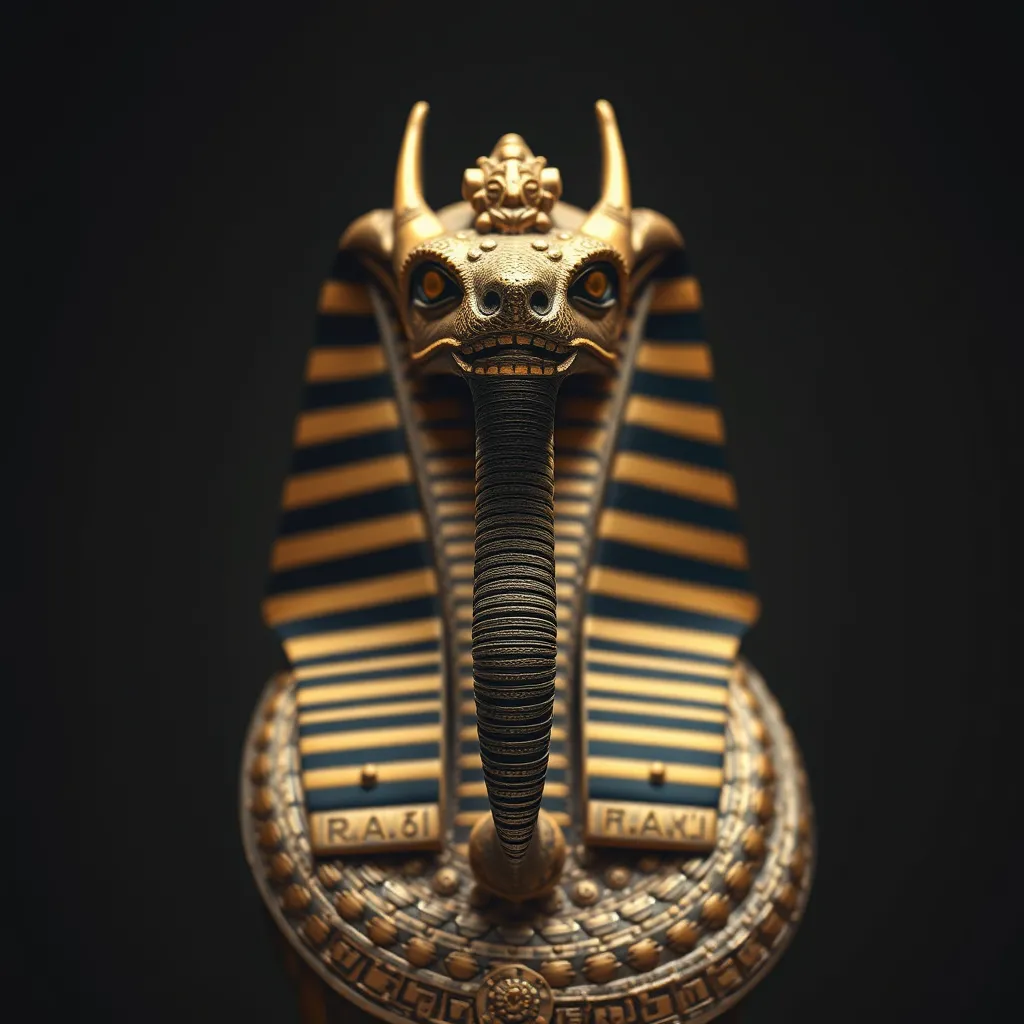
The Serpent Kings and their Consorts: Unveiling the Secrets of Ancient Egypt
I. Introduction
The ancient civilization of Egypt is renowned for its intricate mythology, monumental architecture, and deep spiritual beliefs. Among these, the symbolism of serpents holds a significant place, representing both protection and chaos. This article delves into the concept of Serpent Kings and their consorts, exploring the multifaceted roles they played in shaping the cultural and political landscape of Ancient Egypt.
II. The Historical Context of Ancient Egypt
Ancient Egypt, spanning thousands of years, is divided into several dynastic periods, each marked by its own rulers and cultural developments. From the unification of Upper and Lower Egypt under Narmer to the grandeur of the New Kingdom, the history of Egypt is a tapestry of pharaohs, gods, and societal evolution.
Mythology and religion were central to Egyptian life, influencing governance and societal hierarchies. The pharaoh, often considered a living god, ruled with divine authority, and the intertwining of royal lineage with divine favor was crucial for maintaining power.
III. The Symbolism of Serpents in Ancient Egypt
In Egyptian mythology, serpents are powerful symbols that embody duality in nature—protection and destruction. The Uraeus, a representation of the sacred cobra, adorned the crowns of pharaohs, symbolizing sovereignty and divine authority. Conversely, Apophis, the chaos serpent, personified evil and was believed to threaten the sun god Ra’s journey through the underworld.
- Uraeus: Symbol of royalty and divine protection.
- Apophis: Representation of chaos and opposition to order.
- Ouroboros: The serpent eating its own tail, symbolizing eternity and the cyclical nature of life.
IV. The Rise of the Serpent Kings
Throughout ancient Egyptian history, several notable rulers emerged, often associated with serpent symbolism. Kings such as Narmer, the unifier of Egypt, and later rulers like Seti I and Ramses II, incorporated serpentine iconography into their reigns.
The political and religious significance of these Serpent Kings was profound. They were not only warriors and leaders but also high priests, serving as intermediaries between the gods and the people.
V. The Role of Consorts in the Lives of Serpent Kings
Queens and royal consorts played vital roles in the political landscape of Ancient Egypt. They were instrumental in forging alliances and maintaining stability within the kingdom. A consort’s lineage could enhance the legitimacy of a king’s claim to the throne.
Notable consorts, such as Nefertiti and Cleopatra, wielded significant influence, often participating in political decisions and ceremonies. Their power and status were not merely derivative of their husbands but were integral to the functioning of the state.
VI. Archaeological Discoveries and Interpretations
Archaeological discoveries continue to shed light on the lives of Serpent Kings and their consorts. Key sites such as the Valley of the Kings and the Temple of Karnak have unveiled artifacts, inscriptions, and tomb paintings that provide insights into their reigns.
For instance, the discovery of the tomb of Tutankhamun revealed treasures and symbols that reflect the divine connection of the pharaoh with serpentine imagery. Inscriptions on temple walls often depict kings in conjunction with serpents, reinforcing their association with divine protection and authority.
VII. Myths and Legends Surrounding the Serpent Kings
Myths surrounding Serpent Kings often depict them as heroic figures battling chaos and disorder. One prominent tale is that of Horus defeating Set, where the serpent represents the chaos that Horus must overcome to restore order.
These stories have persisted through generations, shaping modern perceptions of Ancient Egyptian culture. They offer profound lessons on power, morality, and the human condition, echoing themes that resonate even today.
VIII. Conclusion
The legacy of the Serpent Kings and their consorts endures, revealing much about the complexities of Ancient Egyptian society. Their stories highlight the interplay between mythology, politics, and gender roles in a civilization that has fascinated historians and archaeologists alike.
As research and exploration continue, the secrets of Ancient Egypt unfold, reminding us of the rich tapestry of life that once flourished along the Nile. The significance of serpent symbolism, intertwined with the lives of kings and queens, offers a glimpse into a world where the divine and the earthly were inextricably linked.