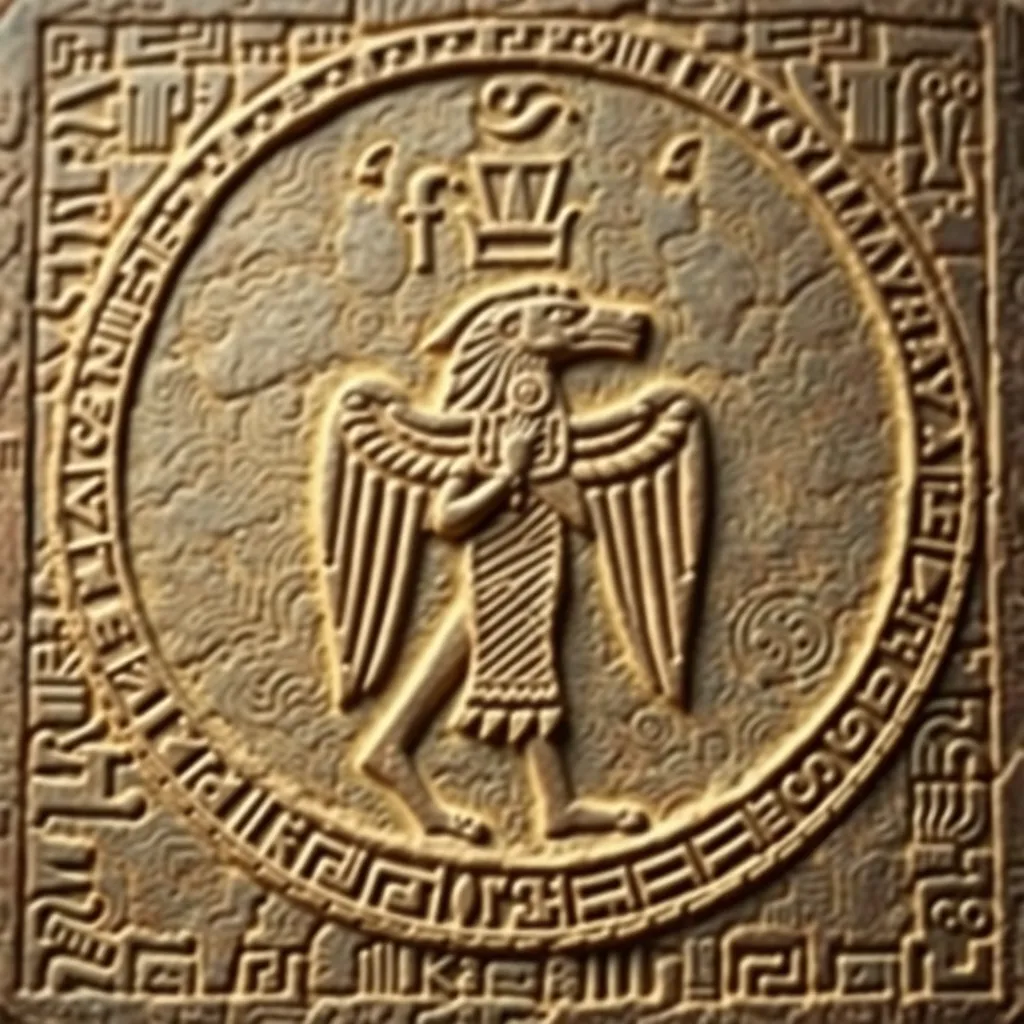
The Secrets of Hieroglyphs: Divination Through Ancient Writing
I. Introduction to Hieroglyphs
Hieroglyphs, the sacred writing of ancient Egypt, represent one of the most intriguing forms of communication in human history. These symbols not only served as a means of conveying messages but also played a crucial role in the spiritual and cultural life of the Egyptians. The significance of hieroglyphs extends beyond mere writing; they were deeply intertwined with the beliefs, rituals, and practices that defined ancient Egyptian civilization.
In the context of communication, hieroglyphs expressed a range of ideas—from mundane record-keeping to the profound spiritual insights that connected the living with the divine. Their role in spiritual practices, particularly in divination, reveals the belief that words and symbols could influence fate and destiny.
II. The Origins of Hieroglyphic Writing
The origins of hieroglyphs can be traced back to the early dynastic period of ancient Egypt, around 3100 BCE. Initially, these symbols emerged from the need to record important information, such as trade transactions and royal decrees. Over time, hieroglyphs evolved from simple pictographs into a complex writing system that conveyed sounds, ideas, and nuances of meaning.
Hieroglyphs transitioned through various stages, showcasing a remarkable evolution:
- Pictograms: Early symbols depicted concrete objects and ideas.
- Phonetics: Symbols began to represent sounds, allowing for more complex expressions.
- Logograms: Certain symbols represented entire words or concepts.
- Determinatives: Additional glyphs indicated the meaning of a word and provided context.
III. The Structure of Hieroglyphs
The structure of hieroglyphic writing is multifaceted, consisting of distinct types of symbols that work together to convey meaning. The primary types of hieroglyphs include:
- Phonetic Hieroglyphs: Represent sounds, similar to letters in the alphabet.
- Ideographic Hieroglyphs: Represent ideas or concepts visually.
- Determinative Hieroglyphs: Clarify the meaning of a word, often indicating its category or context.
Understanding the syntax and grammar of hieroglyphic writing is essential for interpreting texts accurately. Unlike modern languages, hieroglyphs can be written in multiple directions (left to right, right to left, or top to bottom), and the arrangement of symbols plays a significant role in determining their meaning.
IV. Hieroglyphs as a Tool for Divination
In ancient cultures, including Egypt, writing was often seen as a divine gift, linking the material world with the spiritual realm. Hieroglyphs were believed to possess inherent power, and their use in divination practices reflects this sacred connection. Ancient Egyptians employed various methods to interpret hieroglyphs as a means of understanding the will of the gods.
Specific practices involving hieroglyphs for divination included:
- Dream Interpretation: Hieroglyphs found in dream texts were analyzed to predict the future or provide guidance.
- Omen Reading: Certain hieroglyphs were associated with omens, providing insight based on natural events.
- Rituals and Incantations: Hieroglyphs were used in religious ceremonies to invoke divine favor or protection.
V. Famous Texts and Artifacts Featuring Divinatory Hieroglyphs
Several notable texts and artifacts highlight the use of hieroglyphs in divination and spiritual practices. One of the most significant is the Book of the Dead, a funerary text containing spells and incantations designed to guide the deceased through the afterlife.
Other important examples include:
- The Pyramid Texts: These are among the oldest religious texts in the world, inscribed within pyramids to ensure the pharaoh’s safe passage to the afterlife.
- Omens and Prophecies: Inscriptions that detail specific omens or prophecies related to the reign of pharaohs.
- Stelae and Temples: Hieroglyphic inscriptions found in temples often contained messages related to divine favor and protection.
VI. The Interpretation of Hieroglyphs in Divination
Interpreting hieroglyphs requires a deep understanding of their meanings and the context in which they are used. Various techniques have been employed by scholars and practitioners alike:
- Symbol Analysis: Each glyph carries a specific meaning or symbolism; understanding these is key to interpretation.
- Contextual Reading: The surrounding symbols and the overall context of the inscription influence its interpretation.
- Cultural Significance: Recognizing the cultural and historical background can provide deeper insights into the divinatory meanings.
Specific glyphs, such as the ankh (representing life) or the scarab (symbolizing rebirth), hold particular significance in divination practices, reflecting the beliefs and values of ancient Egyptian society.
VII. Modern Perspectives on Hieroglyphs and Divination
In contemporary times, there has been a resurgence of interest in ancient Egyptian writing and spirituality. Modern practitioners of various spiritual paths often seek to incorporate hieroglyphs into their divination practices. This interest is fueled by a fascination with the mysteries of the past and a desire to connect with ancient wisdom.
Ways in which modern practitioners use hieroglyphs in divination include:
- Tarot and Oracle Cards: Some decks incorporate hieroglyphic symbols to enhance their spiritual messages.
- Symbol Meditation: Practitioners meditate on specific hieroglyphs to gain insights or guidance.
- Personal Rituals: Individuals create rituals that involve writing or visualizing hieroglyphs for personal empowerment.
VIII. Conclusion
Hieroglyphs, with their intricate beauty and profound significance, continue to captivate the imagination of people around the world. From their origins as a means of communication to their role in divination and spiritual practices, hieroglyphs embody the rich legacy of ancient Egyptian civilization.
As we reflect on the enduring mystery and allure of hieroglyphic divination, it becomes clear that these ancient symbols are not merely relics of the past but living expressions of human creativity, spirituality, and the quest for understanding the universe and our place within it.