The Sand’s Embrace: Understanding the Importance of the Desert in Egyptian Culture
1. Introduction: The Desert as a Defining Landscape
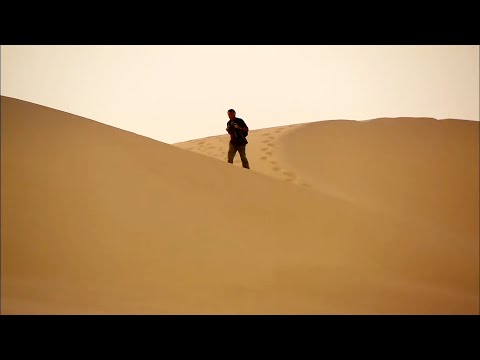
The vast and unforgiving desert stretches across much of Egypt, shaping the country’s landscape and, in turn, its culture. For ancient Egyptians, the desert was not just an empty space but a powerful presence that fundamentally shaped their beliefs, practices, and way of life. From the scorching sands to the towering mountains, the desert was a constant companion, both formidable and awe-inspiring.
This article explores the multifaceted role of the desert in Egyptian culture, delving into its significance as a source of life, a symbol of chaos and the underworld, a place of transformation, and a source of inspiration for art, architecture, and religion. By understanding the desert’s influence, we gain a deeper appreciation for the rich tapestry of Egyptian civilization.
2. The Desert as a Source of Life: The Nile’s Gift
While the desert might seem barren and lifeless, it played a crucial role in sustaining life in ancient Egypt. The Nile River, a lifeline cutting through the arid landscape, was a gift from the desert, its fertile banks providing the sustenance for Egyptian civilization. The annual flooding of the Nile, a natural phenomenon driven by desert weather patterns, brought rich silt to the riverbanks, enabling agriculture and supporting a thriving population.
The desert, however, was not just a supplier of water and fertile soil. It also provided resources such as salt, stone, and precious metals. These resources were vital for building, crafting, and trading, further solidifying the desert’s importance in the economic and cultural life of ancient Egypt.
3. The Desert as a Symbol of Chaos and the Underworld
In contrast to the life-giving Nile, the desert was also seen as a realm of chaos, danger, and the unknown. Its vast stretches, scorching sun, and unpredictable nature symbolized the forces of disorder and the unpredictable nature of the world. Ancient Egyptians believed that the desert was a gateway to the underworld, a realm ruled by the god Osiris where the dead were judged and sent on their journey to the afterlife.
The desert’s fearsome reputation was reflected in Egyptian mythology. The god Seth, associated with chaos and evil, was often depicted as a desert creature. The desert was also seen as a place of testing and purification, where the souls of the dead were forced to confront their fears and sins before reaching the afterlife.
4. The Desert as a Place of Transformation and Rebirth
Despite its association with chaos, the desert also held a profound spiritual significance for ancient Egyptians. They believed that the desert was a place of transformation and rebirth, where individuals could shed their old selves and emerge anew. This belief was deeply intertwined with the cycle of the Nile, where the annual flooding brought renewal and life to the land, just as the desert was seen as a place of renewal and rebirth for the soul.
This symbolism is evident in tales of Egyptian deities who journeyed into the desert, such as the god Horus, who was resurrected after being killed by his uncle Seth. The desert served as a symbolic landscape for the struggles and triumphs of the human spirit, reflecting the cyclical nature of life, death, and rebirth.
5. The Desert as a Source of Raw Materials and Resources
Beyond its symbolic significance, the desert was a vital source of raw materials and resources for ancient Egyptians. The desert provided sandstone, limestone, and granite used for building temples, pyramids, and monuments. This abundance of natural resources fueled the growth and development of Egyptian civilization, allowing for the construction of grand architectural marvels that continue to amaze the world.
Gold, turquoise, and other precious stones were also mined from the desert, contributing to the wealth and artistry of ancient Egypt. These materials were used for jewelry, decorative items, and religious artifacts, reflecting the desert’s role as a provider of both practical and symbolic resources.
6. The Desert as a Stage for Myth and Legend
The stark and dramatic landscape of the desert played a significant role in shaping Egyptian mythology and legend. The vastness of the desert provided a perfect setting for tales of gods, monsters, and mythical creatures. Stories about the desert god Seth, the serpent goddess Wadjet, and the mythical phoenix were passed down through generations, giving the desert a mystical and fascinating quality.
The desert also served as a backdrop for epic voyages and heroic adventures. The journey of the sun god Ra across the sky each day was often depicted as a journey through the desert, highlighting the sun’s power and its importance in Egyptian culture. These mythical narratives further reinforced the desert’s influence on the Egyptian worldview.
7. The Desert as a Setting for Religious Ritual and Pilgrimage
Ancient Egyptians often traveled to the desert for religious purposes. They believed that certain locations in the desert held special spiritual significance, and they would make pilgrimages to these sites to offer prayers, seek divine guidance, or commemorate the dead. For example, the oasis of Siwa was believed to be the home of the god Amun, and pilgrims would journey there to consult with oracles and seek his blessings.
Many temples and tombs were also built in the desert, further cementing its association with religious practice and the afterlife. The vastness and isolation of the desert provided a setting for contemplation, meditation, and communion with the divine, making it a sacred space for the pursuit of spiritual understanding.
8. The Desert as a Source of Inspiration for Art and Architecture
The raw beauty and powerful presence of the desert inspired Egyptian artists and architects. The imposing mountains, the shifting sands, and the vast expanse of the sky were reflected in the monumental architecture of pyramids, temples, and tombs. The scale and grandeur of these structures mirrored the awe-inspiring nature of the desert landscape.
The desert’s color palette, featuring earthy browns, yellows, and reds, also influenced Egyptian art. The vibrant hues of the sand, the sky, and the sunrise served as inspiration for the decorative motifs and vibrant colors found in paintings, sculptures, and jewelry. The desert’s influence can be seen in the iconic art of ancient Egypt, from the stylized figures in tomb paintings to the intricate hieroglyphics inscribed on monuments.
9. The Desert as a Symbol of Power and Authority
The desert served as a symbol of power and authority in ancient Egypt. The pharaoh, as the ruler of Egypt, was often depicted as a powerful figure who controlled the desert and its resources. The desert was seen as a place of strength and resilience, and the pharaoh’s dominion over this unforgiving landscape reinforced his authority and legitimacy.
The desert was also a place of isolation and secrecy, making it an ideal location for royal tombs and other important structures. The desert’s inaccessibility served to protect sacred sites from intrusion, further emphasizing the pharaoh’s power and control over the spiritual realm.
10. Conclusion: The Enduring Influence of the Desert on Egyptian Culture
The desert’s influence on Egyptian culture is undeniable. From its role as a source of life to its symbolic significance in mythology and religion, the desert shaped the beliefs, practices, and worldview of ancient Egyptians. The desert was not just a physical landscape but a powerful force that permeated every aspect of Egyptian life.
The enduring influence of the desert can still be seen today in modern Egypt. The desert continues to inspire writers, artists, and filmmakers, reminding us of the timeless connection between human culture and the natural world. The desert’s lessons of resilience, transformation, and spiritual connection remain relevant even in our modern age, offering a timeless perspective on the human experience.