The Sacred Geography of the Temple of Serapis
I. Introduction
The Temple of Serapis, known as the Serapeum, stands as a remarkable testament to the intertwining of Egyptian and Hellenistic cultures. This magnificent structure was dedicated to the deity Serapis, a god syncretized from Osiris and Apis, embodying both Egyptian and Greek elements. Understanding the sacred geography of such a temple is crucial, as it reveals how ancient civilizations perceived their environment and the divine.
Sacred geography in ancient cultures often reflects their beliefs, rituals, and the significance they attributed to specific locations. The Temple of Serapis not only served as a religious center but also as a cultural hub that shaped the community around it. This article aims to explore the historical context, architectural features, geographic significance, and the enduring legacy of the Temple of Serapis.
II. Historical Context of the Temple of Serapis
The origins of the Temple of Serapis can be traced back to the Ptolemaic period in Egypt, around the 3rd century BCE. It was established in Alexandria, where the Ptolemaic rulers sought to unite Greek and Egyptian traditions. Serapis was created to appeal to both Greeks and Egyptians, representing a god of healing, fertility, and the afterlife.
Over the centuries, the worship practices associated with the Temple evolved significantly. Initially, the temple served primarily as a place of healing, with rituals aimed at invoking the god’s favor. However, as the influence of Hellenistic and later Roman cultures grew, the temple became a site for grand festivals and communal gatherings, reflecting the changing dynamics of worship and societal values.
III. Architectural Features of the Temple
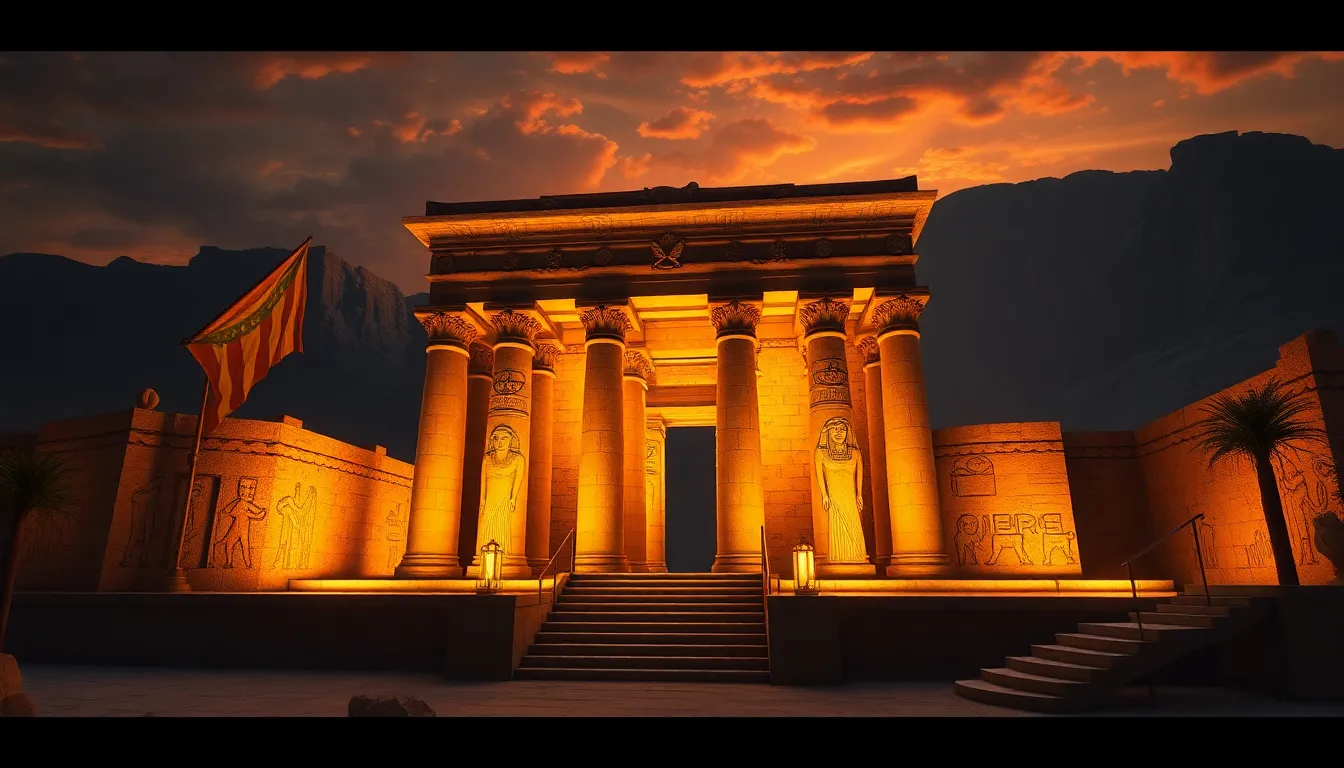
The design and layout of the Temple of Serapis were grand and intricate, embodying both Hellenistic and Egyptian architectural styles. The temple featured a massive colonnade, large courtyards, and sanctuaries dedicated to various deities, including Serapis, Isis, and Osiris.
Symbolism played a crucial role in the architectural elements of the temple. Each column and relief depicted various mythological stories and divine attributes, reinforcing the temple’s role as a bridge between the earthly and the divine. Key features included:
- Colonnades that represented the support of the heavens.
- Statues of Serapis that depicted him with attributes of both Greek and Egyptian deities.
- Reliefs illustrating mythological scenes that conveyed moral and spiritual lessons.
When compared to other contemporary temples, such as the Temple of Karnak or the Parthenon, the Temple of Serapis stood out for its unique blend of cultures, showcasing the syncretism that characterized the Ptolemaic period.
IV. Geographic Location and Its Significance
The Temple of Serapis was strategically located in Alexandria, an ancient city known for its vibrant cultural and economic activities. Its position not only made it accessible to a large number of worshippers but also linked it to the natural landscape, including the nearby Mediterranean Sea.
The relationship between the temple and its surroundings was significant:
- The proximity to the sea facilitated trade and pilgrimage, drawing visitors from far and wide.
- Natural features, such as hills and rivers, were often incorporated into the temple’s layout, enhancing its sacred aura.
- Accessibility allowed for regular community involvement in rituals, further solidifying the temple’s role in daily life.
V. Ritual Practices and Sacred Spaces
Rituals conducted at the Temple of Serapis varied from daily offerings to grand seasonal festivals. These rituals often included:
- Processions where the statue of Serapis was paraded through the streets.
- Healing ceremonies that took place in dedicated spaces within the temple.
- Communal feasts that celebrated the god’s blessings.
The role of sacred spaces within the temple complex was multifaceted, serving as areas for private devotion, public worship, and community gatherings. Pilgrimage to the temple was common, as many sought the god’s favor for health and prosperity.
VI. Mythology and Symbolism of Serapis
The mythological background of Serapis reflects a rich tapestry of beliefs. He was conceived as a god who could unify the diverse population of Egypt and Greece, representing both agricultural fertility and the afterlife. His imagery often included:
- A sistrum, symbolizing music and fertility.
- A cornucopia, representing abundance.
- Symbols associated with the afterlife, highlighting his role as a guide for souls.
Art and architecture within the temple vividly represented these symbols, emphasizing the fusion of different cultural beliefs and traditions.
VII. The Temple’s Influence on Later Cultures
The legacy of the Temple of Serapis extends beyond its original context, influencing early Christianity and later cultures. As Christianity emerged, many temples were repurposed or destroyed, yet the Serapeum’s architectural style and worship practices informed the development of early Christian basilicas.
In modern times, the location of the temple continues to hold significance, as it has evolved into a symbol of cultural heritage. Its impact on art and literature is evident, as many artists and writers have drawn inspiration from its history and mythology throughout the ages.
VIII. Conclusion
In summary, the sacred geography of the Temple of Serapis reveals a complex interplay of history, architecture, and culture. This temple not only served as a religious center but also as a cultural beacon that attracted diverse communities. Preserving such historical sites is essential, as they offer valuable insights into ancient societies and their beliefs.
Future research directions on the Temple of Serapis could explore its role in the daily lives of ancient Egyptians and Greeks, the transformation of its rituals over time, and its lasting impact on contemporary religious practices and cultural identities.