The Sacred Geography of the Temple of Khnum
I. Introduction
The Temple of Khnum, located at Esna in Upper Egypt, stands as a monumental testament to the ancient Egyptians’ reverence for their deities and the intricate connection they perceived between their gods and the geography of their land. Khnum, often depicted as a ram-headed god, was considered the god of the Nile and creation, playing a pivotal role in the myths and religious practices of ancient Egypt.
Sacred geography was fundamental to ancient Egyptian religion, intertwining the physical landscape with spiritual significance. This article aims to explore the historical context, geographical features, symbolic meanings, and contemporary relevance of the Temple of Khnum, shedding light on its role within the broader tapestry of ancient Egyptian belief systems.
II. Historical Context of the Temple of Khnum
The origins of the Temple of Khnum can be traced back to the Greco-Roman period, although its roots in worship of Khnum extend much further into the dynastic periods of ancient Egypt. The temple was constructed during the reign of Emperor Domitian in the first century AD, showcasing the architectural grandeur of the time.
Key historical figures associated with Khnum include Pharaohs who sought the god’s favor for fertility and abundance, as well as the priests who maintained the temple and performed rituals. Khnum was revered as a creator god, intricately linked to the Nile’s annual flooding, which was essential for agriculture.
Within the ancient Egyptian pantheon, Khnum occupied a unique position. He was believed to mold humans from clay on his potter’s wheel, emphasizing the connection between the physical body and the life-giving waters of the Nile.
III. Location and Physical Features
The Temple of Khnum is situated on the west bank of the Nile River, a location that was both practical and symbolic. The geographical setting highlights the importance of the Nile in sustaining life in Egypt, making it a fitting home for a deity associated with water and creation.
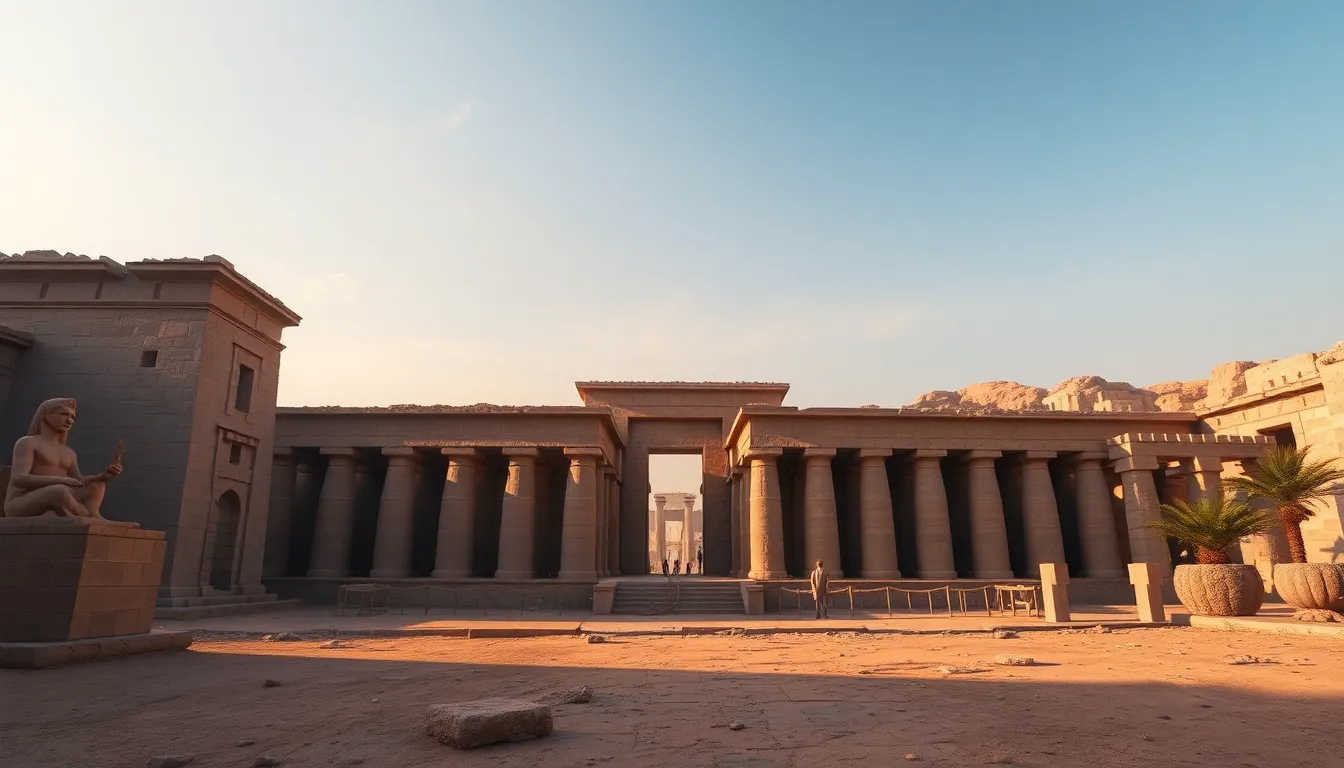
The architectural design of the temple is characterized by its grand entrance, adorned with impressive columns and reliefs that depict scenes of worship and offerings to Khnum. The layout includes:
- The main sanctuary dedicated to Khnum
- Courtyards used for gatherings and ceremonies
- Chambers for storing offerings and sacred items
The significance of the Nile River cannot be overstated; it was the lifeblood of ancient Egypt. The temple’s proximity to the river not only provided water but also symbolized the divine connection between Khnum and the fertile land that depended on the annual inundation.
IV. Symbolism of Sacred Spaces
In ancient Egypt, sacred geography was a concept that transcended mere physical locations. Instead, it embodied the belief that certain spaces were imbued with divine presence and purpose. The Temple of Khnum exemplifies this through its location, architecture, and the rituals performed within its walls.
The symbolic meanings associated with the temple’s location include:
- The Nile as a source of life and regeneration
- The temple as a microcosm of the universe, reflecting the order and harmony of creation
- The connection between the earthly realm and the divine
This relationship between the physical and spiritual realms was crucial in ancient Egyptian thought, where the landscape was viewed as an extension of the divine will.
V. Rituals and Worship Practices
At the Temple of Khnum, various ceremonies were performed to honor the god and seek his blessings. These rituals often included:
- Offerings of food, incense, and symbolic items
- Processions and hymns sung by priests and priestesses
- Daily rituals that maintained the temple’s sanctity
The role of priests and priestesses was central to the functioning of the temple. They were responsible for performing the rituals, interpreting the divine will, and maintaining the temple’s daily operations. Seasonal festivals, such as the inundation festival, were particularly significant, as they celebrated the Nile’s flooding and the life it brought to the land.
VI. The Role of Water in Khnum’s Mythology
Khnum is often recognized as the god of the Nile, symbolizing not only the river itself but also the waters that nourished the land. In mythology, Khnum was believed to create humans from the clay of the Nile, underscoring the connection between water and life.
The significance of water in the temple’s sacred geography is palpable. Water was viewed as a cleansing and purifying force, essential for both physical and spiritual renewal. Myths surrounding Khnum often highlight his role in controlling the Nile’s waters, emphasizing the importance of this element in ensuring agricultural prosperity.
VII. Modern Significance and Archaeological Discoveries
Recent excavations at the Temple of Khnum have uncovered a wealth of artifacts and inscriptions that deepen our understanding of this sacred site. These findings have provided insights into the rituals, daily life, and artistic practices of ancient Egyptians, further illuminating the cultural significance of Khnum.
The temple’s influence on contemporary understanding of ancient Egypt is profound. It serves as a reminder of the intricate connections between geography, religion, and society. Preservation efforts are crucial in maintaining this cultural heritage, allowing future generations to appreciate the historical and spiritual legacy of the Temple of Khnum.
VIII. Conclusion
In summary, the sacred geography of the Temple of Khnum reveals a complex interplay between the physical landscape and the spiritual beliefs of ancient Egyptians. The temple’s location, architectural features, and the rituals performed within highlight the profound significance of water, creation, and the divine in their worldview.
The lasting legacy of Khnum and his temple continues to inspire exploration and understanding of ancient sacred geographies. As we delve deeper into these historical sites, we uncover the rich narratives that shaped the lives and beliefs of those who walked the banks of the Nile long ago.
We invite you to further explore the fascinating world of ancient Egyptian mythology and the sacred spaces that defined their civilization.