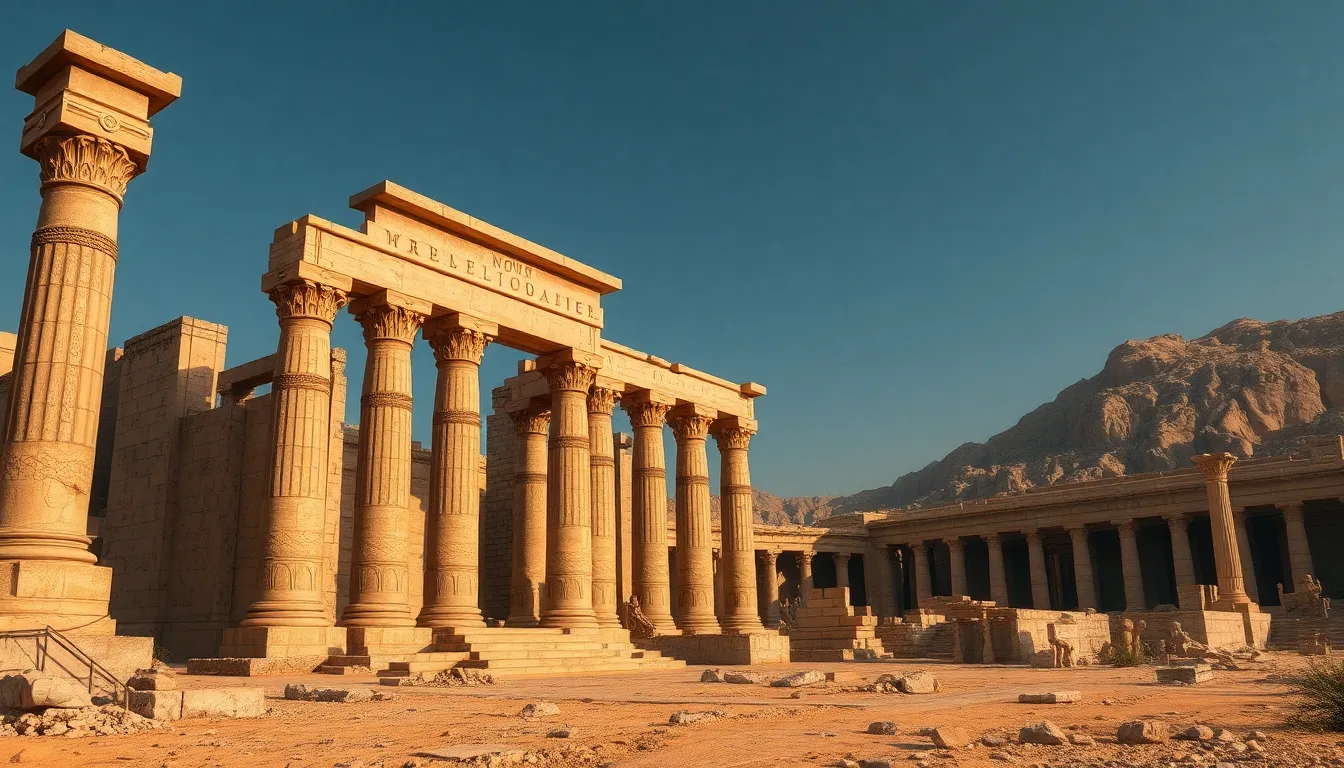
The Sacred City of Thebes: Myths and Legends of Its Ruins
I. Introduction
Thebes, known as Waset in ancient Egypt, stands as a monumental testament to the rich history and culture of ancient civilizations. This city, which served as a capital during the height of the New Kingdom, is not only renowned for its grand architecture and archaeological significance but also for the myths and legends that have emerged from its storied past.
Myths and legends play a crucial role in understanding the beliefs, values, and social structures of ancient societies. They provide insights into how the ancients viewed their world and their place within it. This article aims to delve into the rich tapestry of Theban mythology, exploring the narratives that have shaped the identity of this sacred city and its enduring legacy.
II. Historical Context of Thebes
Thebes was strategically located along the Nile River, making it a vital political and economic hub in ancient Egypt. Its geographical position allowed for trade and communication with other regions, contributing to its significance as a center of power.
The history of Thebes can be divided into several key periods:
- Pre-Dynastic Period: The early emergence of settlement in the Theban area.
- The Middle Kingdom: The city began to flourish, establishing its importance.
- The New Kingdom (c. 1550-1070 BCE): The zenith of Theban power, art, and culture.
- Post-New Kingdom: A decline in political power but continued religious importance.
Major archaeological discoveries in Thebes, including the temples of Karnak and Luxor, as well as the Valley of the Kings, have provided invaluable insights into the lives of the ancient Egyptians, their religious practices, and their monumental architecture.
III. The Myths Surrounding Thebes
Thebes is steeped in mythology, with numerous stories that reflect its cultural significance. Among the prominent myths associated with Thebes are:
- The story of Oedipus: A tale of fate, tragedy, and the quest for truth.
- The tale of the Seven Against Thebes: A story of conflict, heroism, and the struggle for power.
The story of Oedipus, perhaps the most famous of Theban myths, tells of a man destined to fulfill a prophecy that foretold he would kill his father and marry his mother. This tragic narrative explores themes of fate, free will, and the search for identity.
Conversely, the tale of the Seven Against Thebes recounts the siege of the city by seven champions, led by Polynices, who sought to reclaim his rightful throne. This myth highlights the heroic ideals and the tragic consequences of human ambition and conflict.
IV. The Divine Connection: Theban Gods and Goddesses
Theban mythology is rich with divine figures, the most prominent of which is Amun-Ra, the chief deity of Thebes. Revered as the king of the gods and associated with the sun, Amun’s worship was central to Theban identity.
Other significant deities include:
- Mut: The mother goddess associated with motherhood and fertility.
- Khonsu: The god of the moon, representing time and healing.
Temples dedicated to these gods, such as the Temple of Karnak and the Temple of Luxor, served as centers of worship and pilgrimage, reflecting the religious fervor that permeated Theban society.
V. The Role of Thebes in Greek Mythology
Thebes also played a significant role in Greek mythology, serving as the backdrop for many famous tales. Greek writers often drew upon the rich myths of Thebes, integrating them into their works and shaping the narratives of heroes and gods.
Some notable influences include:
- Heracles: Many of his legendary labors are tied to Theban myths.
- Antigone and Oedipus: Stories that explore familial loyalty and moral dilemmas.
The comparison between Egyptian and Greek perceptions of Thebes reveals differing cultural values, with the Egyptians viewing it as a sacred city, while the Greeks often highlighted its tragic narratives.
VI. The Ruins of Thebes: A Window into the Past
The archaeological sites of Thebes, including Karnak, Luxor, and the Valley of the Kings, offer a glimpse into the grandeur of ancient Egyptian civilization. These sites are characterized by remarkable architecture, intricate hieroglyphs, and monumental sculptures.
The symbolism of ancient architecture often reflects the beliefs and values of the society, including:
- Temples as gateways to the divine.
- Pyramids as symbols of resurrection and the afterlife.
- Sphinxes as guardians of sacred spaces.
Preservation efforts are critical in maintaining these ruins, yet they face numerous challenges, including environmental factors and tourism pressures. Continuous research and conservation projects aim to protect this invaluable heritage.
VII. The Modern Legacy of Theban Myths
Theban legends continue to resonate in contemporary culture, influencing a wide array of artistic expressions, literature, and film. The themes of fate, tragedy, and heroism remain pertinent today, prompting reflection on human nature and societal values.
Some modern representations include:
- Literary adaptations of Oedipus and Antigone.
- Films that explore the themes of Theban mythology.
- Art inspired by the grandeur of Theban architecture and deities.
The relevance of Theban myths in modern society serves as a reminder of the enduring power of storytelling in shaping cultural identity and understanding the human experience.
VIII. Conclusion
Thebes stands as a significant symbol of mythology and history, embodying the complexities of ancient beliefs and narratives. The myths that emerged from this sacred city offer a profound insight into the values and struggles of its people.
Reflecting on the enduring power of myths, we recognize their role in shaping cultural identity and understanding our place in the world. As we explore and appreciate the ruins of Thebes, we uncover the stories that continue to inspire and connect us to our ancient past.