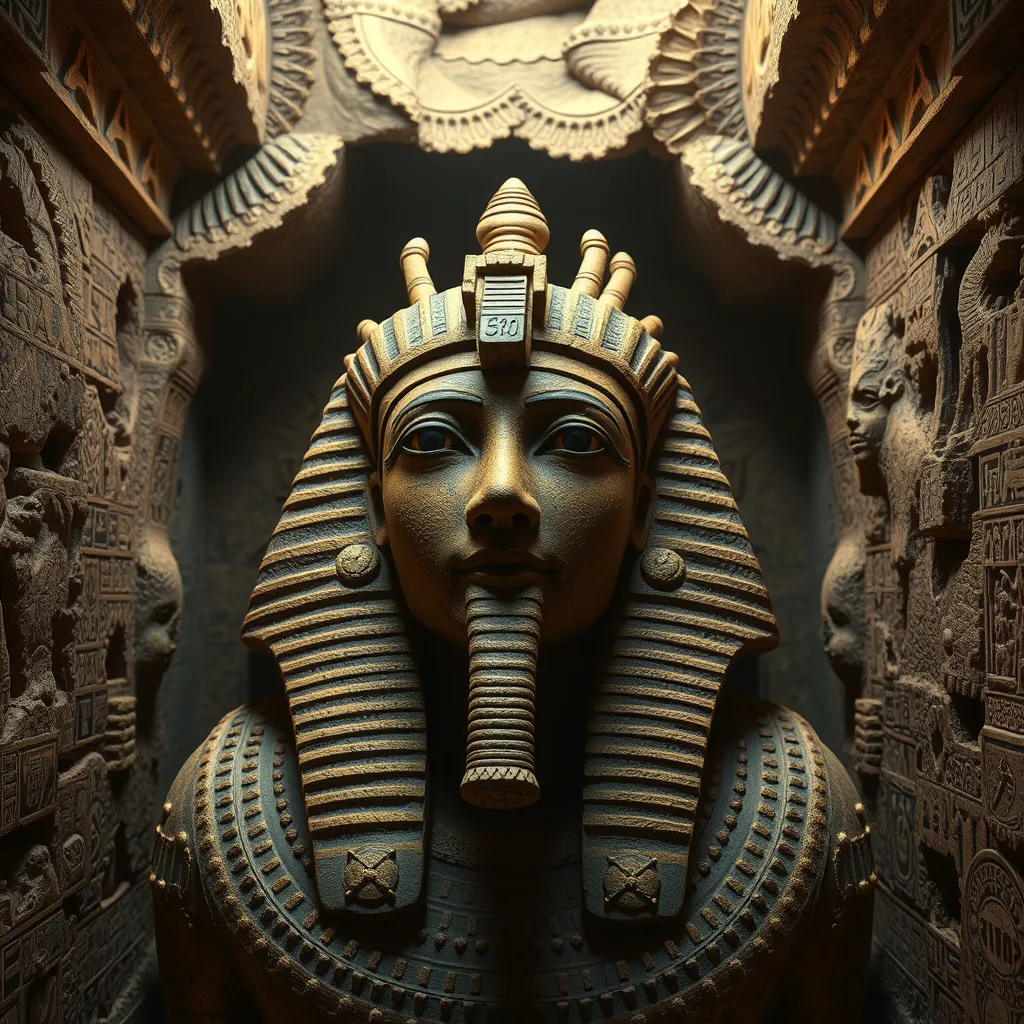
The Royal Tombs: Exploring the Burials of Pharaohs and Queens
I. Introduction
Ancient Egypt, with its rich cultural heritage and monumental architecture, has long fascinated historians and archaeologists. Among the most significant aspects of this civilization are its burial practices, particularly those associated with royalty. The royal tombs serve as a window into the beliefs, customs, and societal structures of pharaonic culture.
These tombs not only housed the remains of pharaohs and queens but also reflected their power and divine status. Understanding these burial sites sheds light on the ancient Egyptians’ views of the afterlife and their enduring legacy. This article aims to explore the historical context, notable features, artistic elements, and ongoing research surrounding the royal tombs of Ancient Egypt.
II. The Historical Context of Royal Burials
The evolution of burial practices in Ancient Egypt can be traced from the Early Dynastic period through to the Ptolemaic era. Initially, burials were simple pit graves, but over time, these transformed into elaborate structures, reflecting the changing beliefs and increasing complexity of society.
Religion played a pivotal role in shaping burial customs. The ancient Egyptians believed in an afterlife where the deceased would continue to exist in a different realm. This belief necessitated the construction of tombs that could protect the body and provide for the deceased in the afterlife. Key elements of royal tombs included:
- Protection of the body from decay and desecration.
- Provision of goods and offerings for use in the afterlife.
- Symbolism of the king’s eternal power and divine nature.
Royal tombs served not only as final resting places but also as symbols of the pharaoh’s power and legacy, intended to impress both the living and the gods.
III. Notable Royal Tombs and Their Features
Among the most iconic royal tombs are:
A. The Great Pyramid of Giza: Khufu and the Oldest of the Seven Wonders
The Great Pyramid, built for Pharaoh Khufu around 2580–2560 BC, stands as a testament to the architectural prowess of the ancient Egyptians. It was originally 146.6 meters tall and constructed from approximately 2.3 million blocks of stone. The pyramid’s precise alignment and massive scale have led many to consider it one of the Seven Wonders of the Ancient World.
B. The Valley of the Kings: Burial Site of Numerous Pharaohs
The Valley of the Kings, located on the west bank of the Nile near Luxor, served as the burial ground for many New Kingdom pharaohs, including Tutankhamun and Ramses II. This site features a network of tombs, intricately decorated with paintings and hieroglyphics that illustrate the pharaohs’ journey to the afterlife.
C. Queen Hatshepsut’s Mortuary Temple and Its Unique Design
Queen Hatshepsut, one of the few female pharaohs, had a mortuary temple built at Deir el-Bahari. This temple is renowned for its distinctive architecture, featuring terraces and colonnades that blend into the surrounding cliffs. It is adorned with reliefs that celebrate her reign and divine birth.
IV. Materials and Construction Techniques
The choice of materials for constructing royal tombs was crucial for their durability and longevity. Two primary materials were commonly used:
- Stone: Used in the construction of pyramids and temples, stone offered durability and a sense of permanence.
- Mudbrick: Often employed in earlier tombs, mudbrick was more accessible and easier to work with, though less durable.
The architectural evolution of tombs showcases the transition from simple graves to grand complexes. Innovations such as corbelled ceilings, burial chambers, and intricate passageways developed over time, reflecting advancements in engineering and design.
V. Art and Symbolism in Royal Tombs
Art and symbolism are integral components of royal tombs, serving both decorative and functional purposes. Hieroglyphics, the writing system of ancient Egypt, played a significant role in guiding the deceased through the afterlife. Key aspects include:
A. Hieroglyphics and Their Role in the Afterlife Journey
Hieroglyphics were inscribed on walls and artifacts within the tombs, depicting spells and prayers aimed at aiding the deceased in their journey through the underworld.
B. Decorative Elements: Murals, Sculptures, and Artifacts
Tombs were often adorned with vibrant murals and sculptures that illustrated the daily life, beliefs, and achievements of the deceased. These artistic elements were not only for decoration but also served to provide comfort and companionship in the afterlife.
C. The Significance of Burial Goods and Their Intended Use
Burial goods, including food, jewelry, and tools, were included in the tombs to ensure the deceased had everything they needed in the afterlife. These items reflected the social status of the individual and their beliefs about the afterlife.
VI. Discoveries and Excavations
Numerous archaeological discoveries have been made in royal tombs, yielding invaluable insights into ancient Egyptian civilization. Notable discoveries include:
- The intact tomb of Tutankhamun, discovered by Howard Carter in 1922, which revealed a wealth of artifacts.
- The tomb of Ramses II, which showcased the grandeur of royal burials.
Modern technology, such as ground-penetrating radar and 3D scanning, has revolutionized tomb exploration, allowing for non-invasive studies of these ancient sites.
However, preserving and studying these sites presents challenges, including environmental degradation and the impact of tourism.
VII. Controversies and Theories Surrounding Royal Burials
The study of royal burials is not without its controversies. Key debates include:
A. Theories on Tomb Robbing and the Quest for Treasures
Tomb robbing was rampant in ancient times, leading to the loss of invaluable artifacts. Theories surrounding the extent and methods of these robberies continue to be explored by archaeologists.
B. Debates Over the Location and Purpose of Certain Tombs
Some tombs have sparked debates regarding their original purpose and the identity of their occupants, leading to ongoing research and speculation.
C. Ethical Considerations in the Study and Display of Royal Remains
The ethical implications of excavating and displaying royal remains raise questions about respect for the deceased and cultural heritage.
VIII. Conclusion
The royal tombs of Ancient Egypt stand as monumental testaments to a civilization that revered its pharaohs and their divine connection. Their enduring legacy continues to captivate the modern world, offering insights into the cultural, religious, and social frameworks of ancient society.
Ongoing research and preservation efforts are essential to safeguard these invaluable sites for future generations. Understanding the connection between these tombs and the broader narrative of ancient Egyptian civilization enhances our appreciation of their remarkable achievements.