The Role of Women in Funerary Literature and Practices
I. Introduction
Funerary literature and practices encompass the customs, texts, and rituals associated with death and the commemoration of the deceased. This realm of study not only reflects cultural beliefs about the afterlife but also reveals the social structures that govern mourning and remembrance. Examining women’s roles in these contexts is crucial, as it sheds light on their influence and contributions to the understanding of death, grief, and remembrance across different cultures.
This article will explore the multifaceted role of women in funerary literature and practices, delving into historical contexts, contributions to literature, gendered perspectives on grief, participation in rituals, contemporary shifts, and case studies from around the world.
II. Historical Context of Funerary Practices
Funerary customs vary widely across different cultures, reflecting unique beliefs and values regarding death and the afterlife. Historical practices often reveal how societies have understood and dealt with loss. In many cultures, funerary rituals are deeply embedded in the communal fabric, involving both men and women in various capacities.
- Overview of funerary customs: These practices can include burial rites, cremation, memorial services, and the creation of funerary objects or texts.
- Evolution of women’s roles: Throughout history, women’s roles in funerary practices have evolved, with women often being the primary mourners and caretakers of the deceased.
- Key historical figures: Notable women in funerary literature, such as poets and authors, have shaped the way death is commemorated in their cultures.
III. Women as Creators of Funerary Literature
Women have historically been significant contributors to funerary literature, crafting texts that articulate personal and collective experiences of grief.
- Contributions of women writers: Female authors have provided poignant reflections on mortality, shaping the narrative of loss through poetry, prose, and biographical accounts.
- Themes and motifs: Common themes in women’s funerary literature include love, loss, memory, and the search for meaning in death.
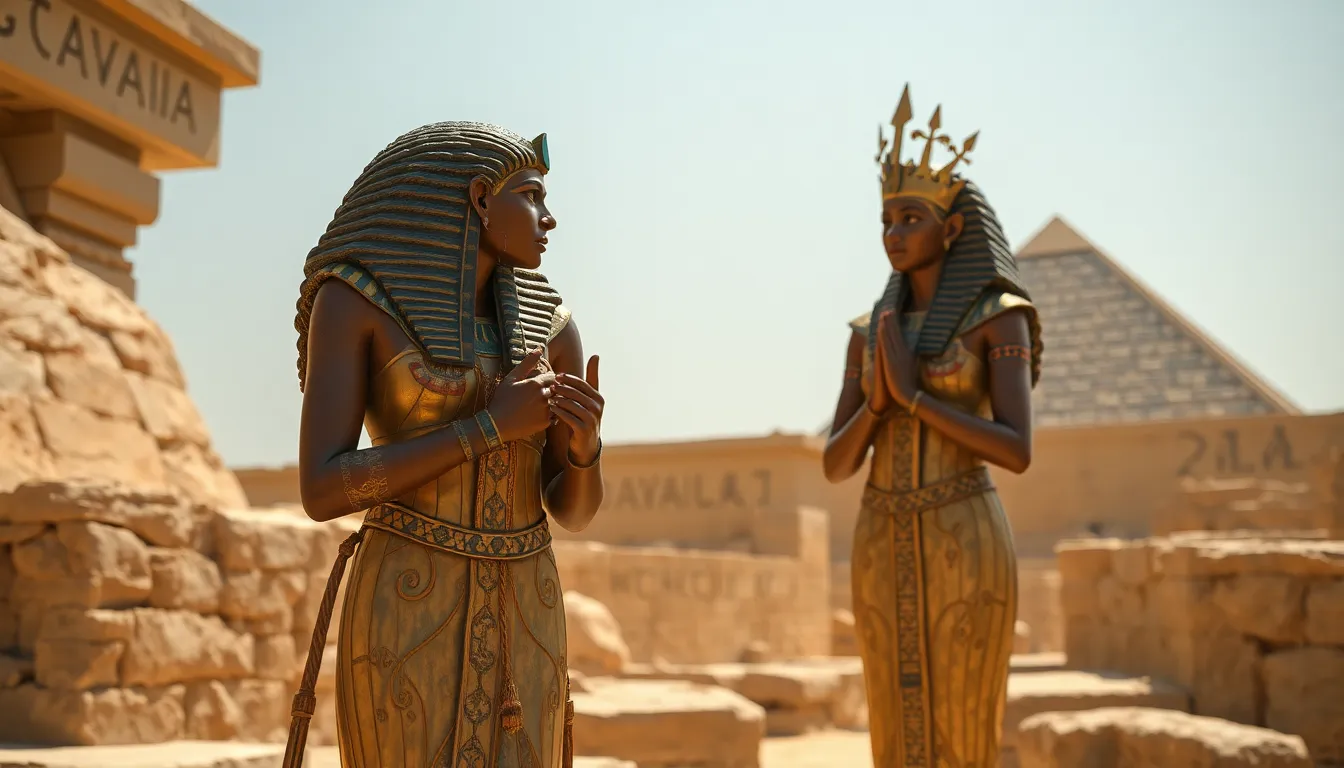
- Case studies: Notable works include “The Book of the Dead” in ancient Egypt, where female figures often played crucial roles in the narratives surrounding death and the afterlife.
IV. Gendered Perspectives on Mourning and Grief
The societal expectations surrounding mourning often differ vastly between genders, influencing how grief is expressed and experienced.
- Societal expectations: Women are frequently expected to express their grief openly, while men may be encouraged to adopt a stoic demeanor.
- Differences in mourning practices: Women’s mourning rituals may involve more communal activities, such as gatherings and shared remembrance, while men’s rituals might focus on solitary reflection.
- Influence of gender: The roles assigned to men and women in funerary rituals often reflect broader societal norms and values regarding gender and emotional expression.
V. Women in Funerary Rituals and Ceremonies
Women have played integral roles in a variety of cultural funerary rites, often acting as vital links in the grieving process.
- Roles in cultural rites: In many traditions, women participate as mourners, ritualists, and caretakers, guiding the family and community through the process of grief.
- Significance of female participation: Women’s involvement in funerary ceremonies often reinforces community bonds and provides emotional support to the bereaved.
- Matriarchal influence: Some cultures exhibit strong matriarchal influences, where women lead the mourning process and dictate the customs that govern funerary practices.
VI. Contemporary Perspectives on Women’s Roles in Funerary Practices
In modern society, the roles of women in funerary contexts are undergoing significant shifts, reflecting broader changes in gender roles and cultural practices.
- Modern shifts: As gender roles evolve, women’s leadership in funerary contexts is becoming more recognized, allowing for greater participation in decision-making processes.
- Women’s leadership: Contemporary mourning practices often see women organizing memorials and leading community support initiatives.
- Impact of feminism: Feminist perspectives have influenced how funerary literature and rituals are understood, encouraging greater recognition of women’s contributions and experiences in death-related contexts.
VII. Case Studies: Women in Funerary Literature Around the World
Examining specific cultural practices provides insight into the diverse roles women play in funerary literature and traditions globally.
- Specific cultural practices: In many Indigenous cultures, women are the keepers of oral traditions surrounding death and remembrance.
- Comparative analysis: A comparison of Western and Eastern funerary practices reveals different expectations and roles for women in mourning rituals.
- Unique contributions: In certain communities, women have created unique literary forms, such as elegies and dirges, that articulate their specific experiences of loss.
VIII. Conclusion
In summary, women’s roles in funerary literature and practices are multifaceted and significant. From their contributions as creators of literature to their active participation in rituals, women have shaped the understanding of death and grief across cultures and time periods.
The ongoing significance of women’s roles in these contexts highlights the need for continued research and scholarship in this field. Future studies can further explore how contemporary shifts in gender roles influence funerary practices and how women’s voices can continue to shape the narratives surrounding grief and remembrance.