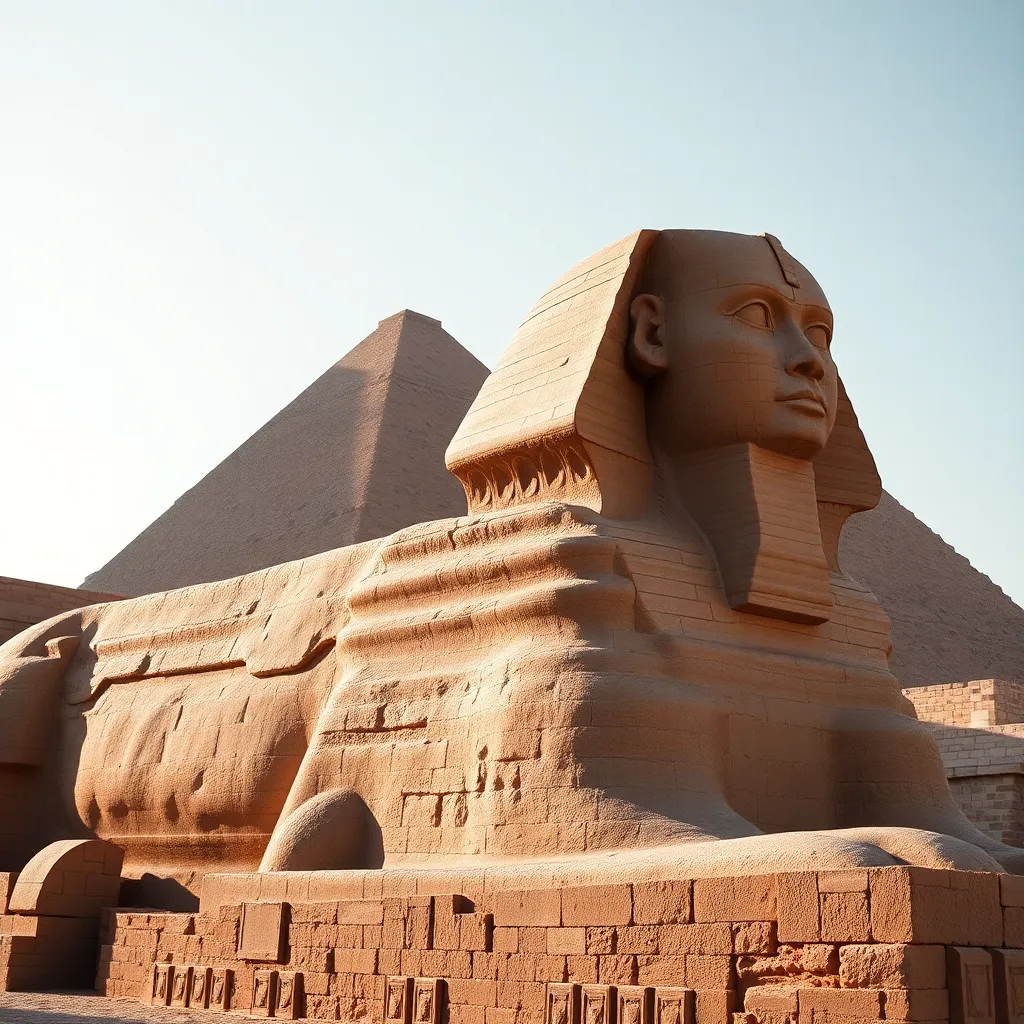
The Role of the Sphinx in Egyptian Architecture
I. Introduction
The Sphinx is one of the most iconic symbols of ancient Egypt, embodying the mysteries and grandeur of its civilization. As a monumental figure with the body of a lion and the head of a human, the Sphinx represents a unique blend of strength and wisdom. Its presence in Egyptian culture cannot be overstated, as it plays a significant role in the architectural landscape of ancient Egypt.
Architecture in ancient Egypt was not merely functional; it was a reflection of the society’s values, beliefs, and aspirations. Structures such as temples, tombs, and monuments were built to honor deities, commemorate rulers, and ensure a connection with the divine. This article aims to explore the multifaceted role of the Sphinx within the context of Egyptian architecture, highlighting its historical significance, symbolic meaning, and artistic representations.
II. Historical Context of the Sphinx
A. Origins of the Sphinx in ancient Egypt
The Sphinx has its origins deeply rooted in ancient Egyptian mythology and culture. It is believed that the earliest sphinxes date back to the Old Kingdom, around 2500 BCE, during the reign of Pharaoh Khufu. These monumental statues were often created to embody the power and protection of the pharaohs.
B. The Great Sphinx of Giza: Construction and significance
The most famous of all sphinxes is the Great Sphinx of Giza, located near the Pyramids of Giza. This colossal statue measures about 73 meters (240 feet) long and 20 meters (66 feet) high, making it one of the largest monolithic sculptures in the world. Constructed from limestone, the Great Sphinx is believed to have been built during the reign of Pharaoh Khafre, around 2500 BCE.
The significance of the Great Sphinx lies not only in its size but also in its role as a guardian of the Giza plateau. It is thought to symbolize the pharaoh’s strength and divine protection over the land and its people.
C. Other notable sphinxes in Egyptian history
- The Sphinx of Hatshepsut, located at Deir el-Bahari, which reflects the power of the female pharaoh.
- The Alabaster Sphinx at the Temple of Karnak, showcasing the artistic excellence of the New Kingdom.
- The Sphinxes of Luxor, which were part of the grand processional avenue leading to the Luxor Temple.
III. Symbolism of the Sphinx
A. Interpretation of the Sphinx as a guardian figure
In ancient Egyptian culture, the Sphinx was seen as a powerful guardian figure. It was believed to protect sacred spaces such as temples and tombs, warding off evil and ensuring the safety of the deceased in the afterlife.
B. The fusion of human and animal characteristics
The unique design of the Sphinx, with its human head and lion body, symbolizes the combination of intellect and strength. This duality represents the pharaoh’s role as both a wise ruler and a fierce protector of the land.
C. Cultural and religious significance in ancient Egyptian beliefs
The Sphinx also held cultural and religious significance, often associated with the sun god Ra. Its position facing the east, where the sun rises, further emphasizes its connection to the divine and the cycle of life and death.
IV. Architectural Features of the Sphinx
A. Design and construction techniques
The design of the Sphinx showcases the advanced architectural techniques of ancient Egyptians. Carved directly from the bedrock, the Sphinx exhibits remarkable craftsmanship, with intricate details that have withstood the test of time.
B. Materials used in the Sphinx’s creation
Primarily constructed from limestone, the Great Sphinx was originally covered with a layer of plaster that would have allowed for painted details. The use of locally sourced materials demonstrates the resourcefulness of ancient Egyptian architects.
C. Comparison with other architectural structures in ancient Egypt
When compared to other monumental structures such as the pyramids and temples, the Sphinx stands out due to its unique form and purpose. While pyramids served as tombs and temples were places of worship, the Sphinx acted as a sentinel, merging various architectural styles and serving a protective function.
V. The Sphinx in Relation to Other Monuments
A. The Sphinx’s alignment with the Pyramids of Giza
The Great Sphinx is strategically aligned with the Pyramids of Giza, creating a harmonious architectural relationship. This alignment emphasizes the Sphinx’s role as a guardian of the pharaohs’ eternal resting places.
B. Role of the Sphinx in the broader landscape of ancient Egyptian architecture
In the context of ancient Egyptian architecture, the Sphinx is part of a larger ceremonial landscape. It complements the pyramids and is integral to the cultural and spiritual narrative of the region.
C. Influence on subsequent architectural developments in Egypt
The design and symbolism of the Sphinx influenced later architectural developments, inspiring future generations of builders and artists. Its presence in art and architecture can be seen throughout various periods of Egyptian history.
VI. The Sphinx in Art and Culture
A. Depictions of the Sphinx in ancient Egyptian art
Ancient Egyptian art frequently featured the Sphinx, illustrating its importance in religious and cultural contexts. It often appeared in carvings, paintings, and inscriptions, symbolizing power and protection.
B. The Sphinx’s influence on later cultures and civilizations
The Sphinx has left a lasting impact on various cultures throughout history. Its image can be found in Greek and Roman art, as well as in Renaissance and modern interpretations, showcasing its enduring legacy.
C. Modern interpretations and representations of the Sphinx
Today, the Sphinx continues to inspire artists, writers, and filmmakers, often serving as a symbol of mystery and enigma. Its representation in popular culture reflects the fascination that ancient Egypt still holds over contemporary society.
VII. Preservation and Conservation Efforts
A. Challenges facing the Great Sphinx today
The Great Sphinx faces numerous challenges, including erosion, pollution, and the effects of climate change. These factors threaten its structural integrity and the preservation of its artistic details.
B. Historical preservation efforts and their importance
Various preservation efforts have been undertaken since the 19th century to protect the Sphinx. These initiatives include restoration projects, archaeological studies, and awareness campaigns aimed at safeguarding this monumental heritage.
C. Future directions for conserving the Sphinx and its surrounding area
Future conservation efforts will require a multi-faceted approach, including scientific research, community involvement, and sustainable tourism practices. Protecting the Sphinx is essential not only for preserving ancient history but also for maintaining the cultural identity of Egypt.
VIII. Conclusion
In summary, the Sphinx plays a vital role in Egyptian architecture, symbolizing the strength, wisdom, and protective nature of the pharaohs. Its historical significance, architectural features, and cultural impact underscore its importance as a monumental structure in ancient Egypt.
The lasting legacy of the Sphinx continues to captivate people around the world, reminding us of the remarkable achievements of ancient civilizations. As we appreciate and study these architectural wonders, it is imperative to prioritize their preservation for future generations to enjoy and learn from.