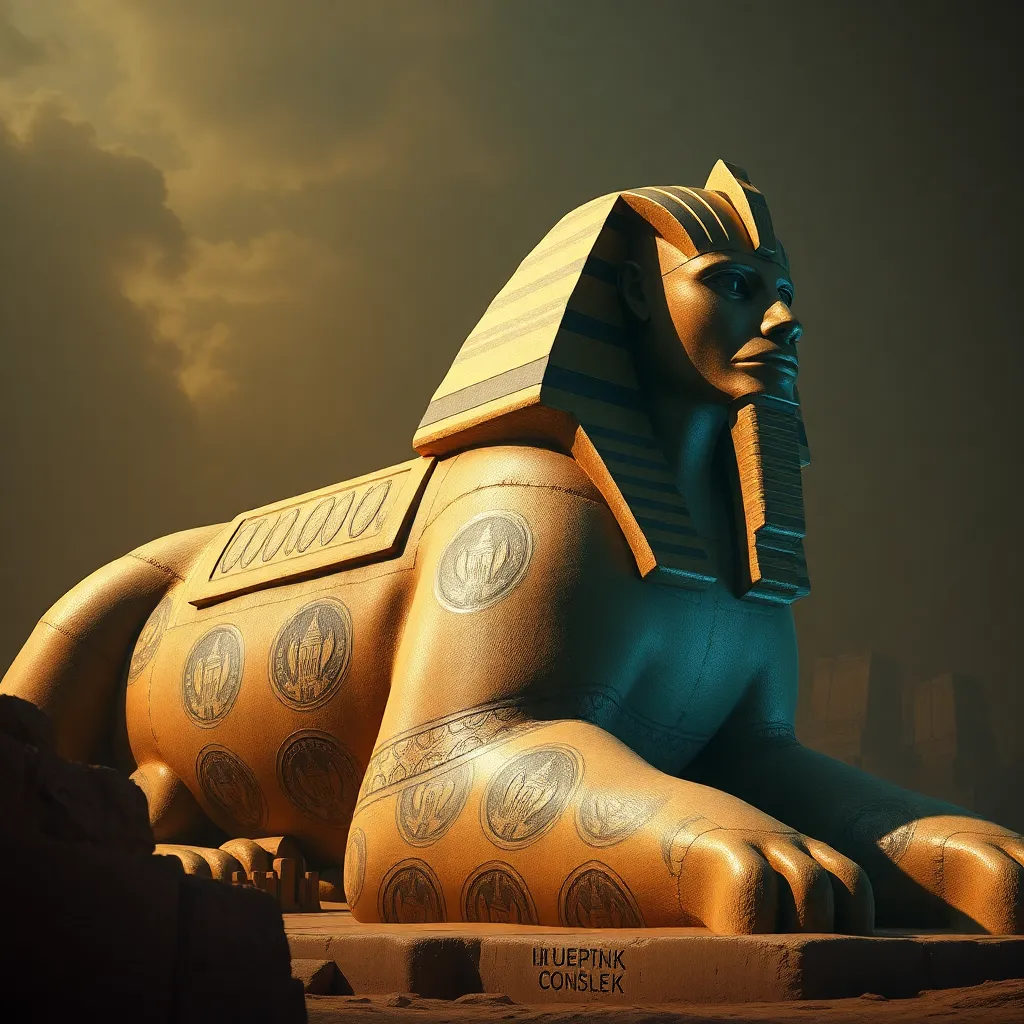
The Role of the Sphinx: Guardian of Mysteries
I. Introduction
The Sphinx, an iconic symbol of ancient Egypt, is a creature that embodies both human intellect and animal strength, traditionally depicted with the body of a lion and the head of a human. This remarkable figure has captured the imagination of scholars, artists, and tourists alike, representing the rich tapestry of Egyptian mythology and culture.
Historically, the Sphinx has played a pivotal role in the narrative of ancient Egypt, symbolizing the union of human wisdom and animal power. Its presence near the Pyramids of Giza highlights its significance as a guardian of sacred spaces and a keeper of secrets.
II. Historical Context of the Sphinx
A. Origin and construction in Ancient Egypt
The Great Sphinx of Giza, the largest and most famous of the Sphinxes, is believed to have been constructed during the reign of Pharaoh Khafre (c. 2570 BCE). Carved from a single mass of limestone, the Sphinx stands approximately 66 feet tall and stretches 240 feet in length, making it an architectural marvel of the ancient world.
The construction techniques involved in creating the Sphinx are still debated among historians and archaeologists, with many theories suggesting a combination of skilled labor and rudimentary tools. The alignment of the Sphinx with the sun and stars indicates a sophisticated understanding of astronomy by the ancient Egyptians.
B. The Sphinx in relation to the Pyramids of Giza
Situated on the Giza Plateau, the Sphinx is strategically placed near the three pyramids, which serve as monumental tombs for the pharaohs. The relationship between these structures is significant, as they collectively embody the ancient Egyptians’ beliefs in the afterlife and the divine.
- The Sphinx is thought to guard the tomb of Khafre, reinforcing the idea of protection in the afterlife.
- The alignment of the Sphinx and the pyramids suggests that they were part of a larger cosmic plan, aimed at ensuring the pharaoh’s journey to the afterlife.
III. Symbolism of the Sphinx
A. The Sphinx as a representation of duality (human and animal)
The Sphinx symbolizes the duality of existence, merging human intelligence with animal strength. This representation reflects the ancient Egyptian worldview, which emphasized balance and harmony between different aspects of life.
In art and literature, the Sphinx often serves as a metaphor for the unknown, challenging individuals to confront their fears and uncertainties.
B. The Sphinx in mythology and its connection to wisdom and mystery
In Egyptian mythology, the Sphinx represents wisdom and protection, often associated with the sun god Ra. It is believed that the Sphinx holds the key to profound mysteries, serving as a bridge between the mortal world and the divine.
Additionally, its enigmatic nature has inspired countless myths and legends, reinforcing its status as a symbol of mystery in human consciousness.
IV. The Sphinx as a Guardian
A. Role in ancient Egyptian religion and funerary practices
The Sphinx played a significant role in ancient Egyptian religion, particularly in funerary practices. It was often believed to protect the souls of the deceased, guiding them through the afterlife and ensuring their safe passage to the realm of the gods.
As a guardian figure, the Sphinx was integral to the spiritual beliefs of the ancient Egyptians, embodying their hopes for immortality and protection from malevolent forces.
B. The Sphinx’s function in protecting sacred sites
Beyond its funerary significance, the Sphinx served as a protector of sacred sites. Its imposing presence was meant to deter intruders and safeguard the rituals and ceremonies conducted in honor of the gods.
The Sphinx’s role as a sentinel of sacred spaces reflects the ancient Egyptians’ deep reverence for their deities and the afterlife.
V. The Mysteries of the Sphinx
A. Unsolved questions about its purpose and construction
Despite extensive research, many questions about the Sphinx’s purpose and construction remain unanswered. Scholars continue to debate its original function, with theories ranging from a guardian of tombs to a solar symbol.
The lack of definitive inscriptions or records from the time of its construction adds to the enigma surrounding the Sphinx, prompting ongoing exploration and study.
B. Theories regarding its symbolism and hidden meanings
Various theories have emerged regarding the symbolism of the Sphinx, each offering unique insights into its meaning:
- Some suggest it represents the pharaoh’s divine power and authority.
- Others propose that it embodies the sun god Ra, reflecting the importance of solar worship in ancient Egyptian culture.
- Additionally, the Sphinx may symbolize the eternal struggle between good and evil, a common theme in Egyptian mythology.
VI. The Sphinx in Popular Culture
A. Depictions in literature, film, and art
The Sphinx has transcended its ancient origins to become a symbol of mystery and intrigue in popular culture. Its image appears in various forms of literature, film, and art, often representing the unknown or the challenge of seeking knowledge.
Prominent examples include:
- The Sphinx in Greek mythology, particularly in the tale of Oedipus.
- References in contemporary films that explore themes of ancient mysteries.
- Artistic interpretations that highlight its enigmatic nature and connection to wisdom.
B. The Sphinx as a symbol of enigma in modern society
In modern society, the Sphinx continues to symbolize the quest for knowledge and the allure of the unknown. It represents humanity’s eternal curiosity and the challenges that come with seeking answers to life’s profound questions.
As a cultural icon, the Sphinx inspires a sense of wonder and invites individuals to explore the mysteries of existence.
VII. Archaeological Discoveries and Ongoing Research
A. Recent findings and explorations around the Sphinx
Archaeological research continues to uncover new insights about the Sphinx. Recent excavations have revealed additional structures and artifacts that provide context for its construction and purpose.
Moreover, studies of the surrounding area have highlighted the Sphinx’s role within the broader landscape of ancient Egyptian civilization.
B. Impact of technology on understanding the Sphinx
Advancements in technology, such as ground-penetrating radar and 3D modeling, have revolutionized the study of the Sphinx. These tools allow researchers to explore hidden chambers and structures without invasive excavation.
Such technologies are essential for answering long-standing questions about the Sphinx and its place in ancient Egyptian culture.
VIII. Conclusion
The Sphinx remains an enduring symbol of mystery and wisdom, embodying the complexities of ancient Egyptian beliefs and culture. Its role as a guardian of sacred sites and a protector of the deceased reflects the profound spiritual significance attributed to this remarkable figure.
In contemporary culture, the Sphinx continues to inspire curiosity and intrigue, reminding us of humanity’s ongoing quest for knowledge and understanding. As research and exploration continue, the Sphinx will undoubtedly yield new insights into its enigmatic past and the rich history of ancient Egypt.