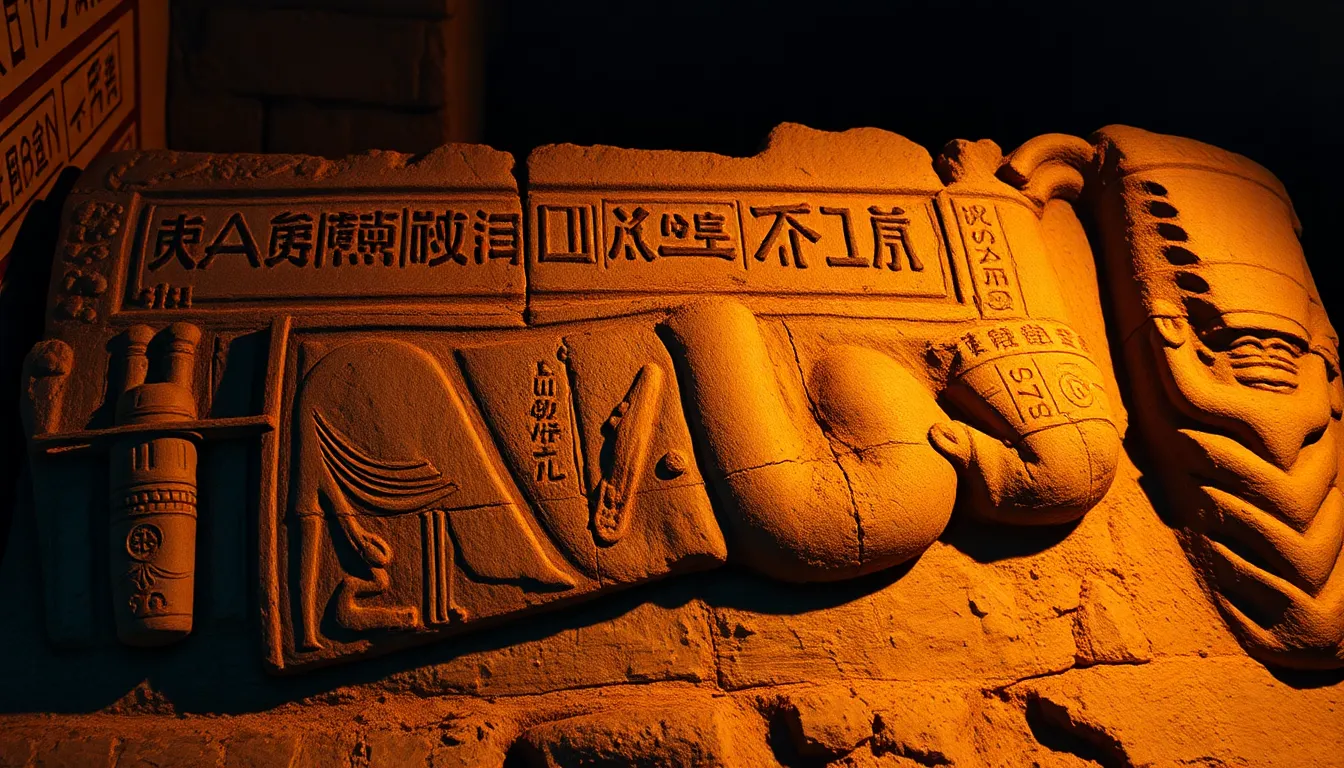
The Role of the Mummification Process in Tomb Texts
I. Introduction
Mummification in ancient Egypt was not merely a method of preserving the deceased; it was a complex ritual deeply embedded in the culture’s belief system. This intricate process was aimed at ensuring a safe passage to the afterlife and maintaining the physical body for eternity. Integral to these practices were tomb texts, which provide invaluable insights into the beliefs and rituals of ancient Egyptians.
This article aims to explore the historical context of mummification, the significance of tomb texts, and the interrelationship between these two crucial aspects of ancient Egyptian funerary practices. By examining case studies and modern interpretations, we will uncover the lasting legacy of these practices in understanding ancient Egyptian culture.
II. Historical Context of Mummification
The practice of mummification in ancient Egypt dates back to around 2600 BCE, during the Third Dynasty. Initially, bodies were simply buried in shallow graves, but as time evolved, so did the methods of preservation.
- Origins and Development: The earliest mummies were naturally preserved by the arid desert climate. However, as the belief in the afterlife grew, so did the desire for more elaborate preservation techniques.
- Cultural Significance: The preservation of the body was believed to be crucial for the deceased’s existence in the afterlife. The body served as a vessel for the soul (ka), which needed a physical form to thrive in the next world.
- Evolution of Techniques: Over the centuries, mummification techniques became more sophisticated, involving the removal of internal organs, drying the body with natron, and wrapping it in linen.
III. Understanding Tomb Texts
Tomb texts are inscriptions and writings found within the burial sites of ancient Egyptians, serving various purposes related to funerary practices. They can be categorized into several types, including:
- Pyramid Texts: The oldest religious texts in the world, found in the pyramids of the Old Kingdom, intended for the deceased kings.
- Coffin Texts: A collection of spells and prayers inscribed on coffins during the Middle Kingdom, designed to assist the deceased in the afterlife.
- Funerary Texts: Texts that appeared later, often inscribed on walls of tombs, containing spells for protection and guidance.
The primary purpose of these texts was to ensure a safe journey for the deceased and to invoke the favor of the gods. They also reflect the burial customs of the time, providing a glimpse into the values and beliefs surrounding death and the afterlife.
IV. The Interconnection between Mummification and Tomb Texts
The relationship between mummification practices and tomb texts is profound. Mummification not only preserved the body but also influenced the narratives inscribed within tombs.
- Influence on Content: The elaborate mummification process often dictated the themes and spells used in tomb texts, emphasizing the importance of preservation and protection.
- Portrayal of the Deceased: Tomb texts frequently depicted the deceased in a manner that mirrored their mummified state, emphasizing their role as a living entity in the afterlife.
- Symbolism: The act of preservation is laden with symbolism, representing the eternal life and the journey of the soul, which is echoed in the texts.
V. The Role of Deities and Rituals in Mummification and Tomb Texts
Deities played a vital role in both the mummification process and the content of tomb texts. Key deities include:
- Anubis: The god of embalming and the dead, who was invoked during the mummification process.
- Osiris: The god of the afterlife, whose resurrection was a central theme in funerary texts.
Numerous rituals were performed during mummification, such as the Opening of the Mouth ceremony, which was believed to restore the deceased’s senses for the afterlife. These rituals are often depicted in tomb texts, illustrating the intertwining of divine protection and mummification.
VI. Case Studies: Notable Tombs and Their Texts
Exploring specific tombs provides insight into the relationship between mummification and tomb texts:
- Tutankhamun: The tomb of Tutankhamun contained a wealth of artifacts and texts, including spells intended to protect the young pharaoh in the afterlife. The elaborate mummification process and the texts together highlight the importance placed on safeguarding the king’s journey.
- Seti I: The tomb of Seti I is renowned for its detailed frescoes and extensive coffin texts. These texts reflect the complexity of the mummification process and the rituals associated with it, portraying the king as a divine figure destined for the afterlife.
These case studies illustrate how mummification is depicted in tomb texts, offering profound insights into the ancient Egyptian beliefs about death and the afterlife.
VII. Modern Interpretations and Discoveries
Archaeological discoveries continue to shed light on the practices of mummification and the significance of tomb texts. Recent findings include:
- Preservation Techniques: Modern technology, such as CT scans and DNA analysis, is enhancing our understanding of ancient mummification methods and their efficacy.
- Textual Analysis: Scholars are utilizing advanced linguistic techniques to decode and interpret tomb texts, revealing insights into ancient beliefs and practices.
- Exhibitions and Research: Ongoing exhibitions of mummies and artifacts provide a platform for public engagement and scholarly research, emphasizing the significance of these ancient practices in contemporary studies.
VIII. Conclusion
In summary, the mummification process and tomb texts are deeply intertwined aspects of ancient Egyptian culture. Mummification served not only to preserve the physical body but also to reflect the beliefs and customs surrounding death and the afterlife. Tomb texts, in turn, provide a narrative that complements the mummification process, emphasizing the importance of divine protection and the journey to the afterlife.
The legacy of these practices continues to influence our understanding of ancient Egyptian culture, and future research in this area promises to uncover even more about the rich tapestry of beliefs that defined this fascinating civilization.