The Role of the Goddess Taweret in Tomb Texts
I. Introduction
Taweret, often depicted as a hybrid creature with the body of a hippopotamus, the limbs of a lion, and the tail of a crocodile, is an essential deity in ancient Egyptian mythology. Revered as a protector of mothers and children, her significance extends to the realm of funerary rites and the afterlife. Tomb texts, rich with religious and cultural insights, provide a window into the beliefs surrounding Taweret and her role in guiding and protecting the deceased. This article aims to explore Taweret’s presence and function within tomb texts, illuminating her importance in ancient Egyptian funerary practices.
II. Historical Context of Taweret
The origins of Taweret trace back to the prehistoric era, evolving significantly throughout the dynastic periods of ancient Egypt. Initially viewed as a goddess of fertility and childbirth, her iconography developed to embody protection and safeguarding during the perilous journey of death.
A. Origins and evolution of Taweret in Egyptian mythology
Taweret’s evolution can be observed through various artifacts and inscriptions, where she transitioned from a goddess associated primarily with childbirth to one who also presided over the afterlife and protection of the deceased.
B. Iconography and symbolism associated with Taweret
Her depiction often includes:
- A hippopotamus body, symbolizing strength and protection.
- Lion limbs, representing fierce guardianship.
- A crocodile tail, emphasizing her connection to the Nile and its life-giving properties.
These elements combined signify her role as a protective and nurturing figure.
C. Taweret’s association with fertility, childbirth, and protection
As a goddess of fertility, Taweret was invoked during childbirth, with her protective qualities ensuring the safety of mothers and infants. This nurturing aspect extended into funerary contexts, where she became a guardian for the deceased on their journey to the afterlife.
III. Tomb Texts: An Overview
Tomb texts are inscriptions and illustrations found in ancient Egyptian tombs that served both a decorative and a functional purpose. They provide insights into the beliefs and practices surrounding death and the afterlife.
A. Definition and significance of tomb texts in ancient Egypt
These texts were believed to aid the deceased in their transition to the afterlife, offering spells, prayers, and guidance for navigating the challenges that awaited them.
B. Types of tomb texts: Pyramid Texts, Coffin Texts, and Book of the Dead
The main types of tomb texts include:
- Pyramid Texts: The oldest religious texts in the world, inscribed in the pyramids of the Old Kingdom.
- Coffin Texts: Found in Middle Kingdom coffins, these texts expanded upon the Pyramid Texts and were accessible to a broader class of individuals.
- Book of the Dead: A compilation of spells and prayers used from the New Kingdom onward, designed to assist the deceased in the afterlife.
C. The role of deities in funerary literature
Deities play a crucial role in these texts, often invoked for protection, guidance, and support during the journey after death. Taweret, as a prominent figure, exemplifies the intersection of life, death, and rebirth in this literature.
IV. Taweret’s Depiction in Tomb Texts
Within tomb texts, Taweret is depicted both visually and textually, showcasing her multifaceted role in the afterlife.
A. Visual representations of Taweret in tomb art
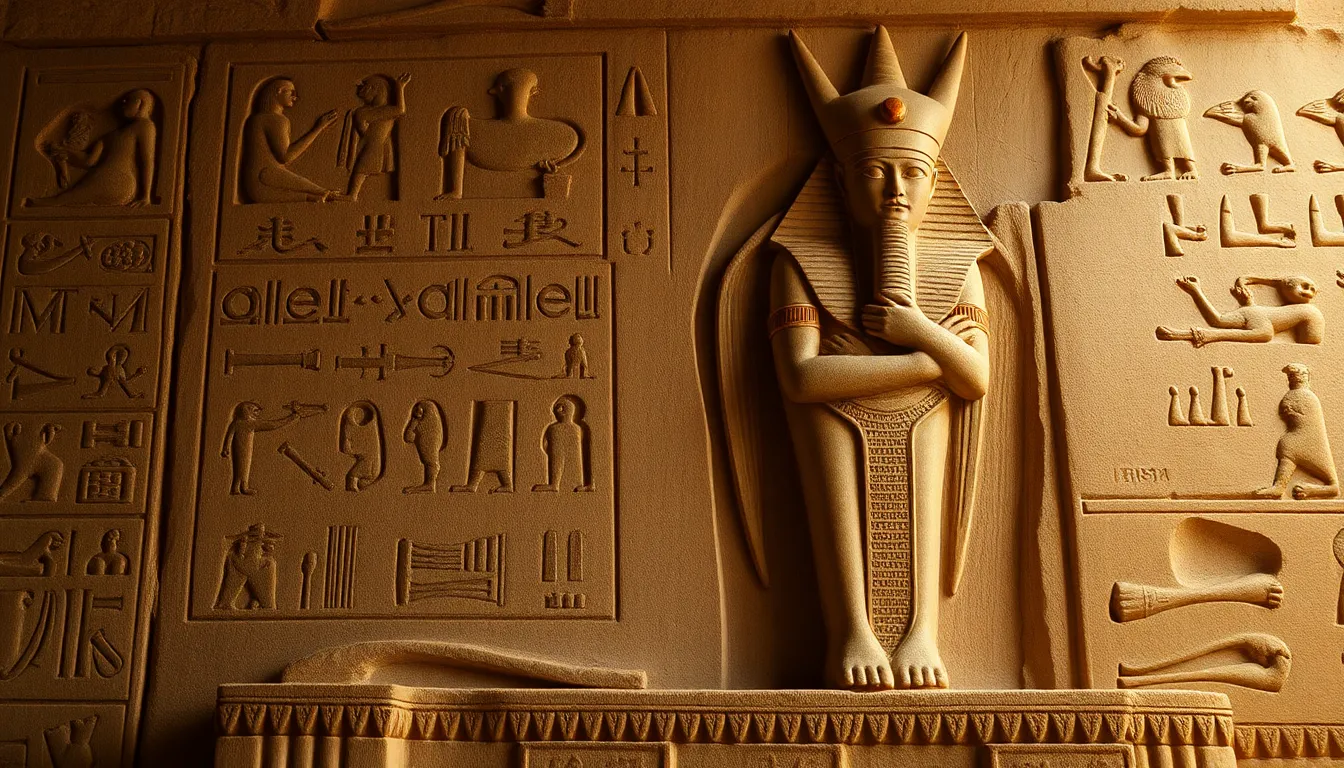
Artistic renditions of Taweret often show her in a protective stance, surrounded by symbols of fertility and abundance, which serve to reinforce her role as a guardian.
B. Textual references to Taweret in funerary inscriptions
References to Taweret can be found throughout the various tomb texts, where she is invoked for her protective qualities, ensuring the deceased is safeguarded from malevolent forces.
C. Analysis of Taweret’s characteristics as presented in these texts
Taweret is characterized as a fierce protector and a nurturing figure, embodying both the strength necessary to fend off danger and the gentleness required to nurture and guide the deceased.
V. Protective Functions of Taweret in the Afterlife
As a guardian of the dead, Taweret’s protective functions are paramount in ensuring safe passage through the afterlife.
A. Taweret’s role as a guardian of the dead
Taweret is often portrayed as standing at the threshold of the afterlife, ready to defend against any threats that may impede the soul’s journey.
B. Rituals and spells invoking Taweret’s protection
Various rituals and spells within tomb texts specifically call upon Taweret, invoking her to provide safety and guidance. These often include:
- Spells for protection during the journey.
- Rituals for ensuring safe childbirth, linking her protective role to the afterlife.
C. The significance of Taweret in ensuring a safe passage to the afterlife
Her presence in funerary practices highlights the belief that the dead required guardianship and support as they transitioned to another realm.
VI. Taweret and the Concept of Rebirth
Taweret’s connection to rebirth is another critical aspect of her role in Egyptian mythology.
A. Taweret’s association with rebirth and regeneration
As a deity linked to fertility, Taweret embodies the cycle of life, death, and regeneration, symbolizing the hope for rebirth in the afterlife.
B. The goddess’s influence on the journey of the soul
Her influence is seen as essential for the soul’s journey, offering the promise of renewal and continuity beyond death.
C. Symbolic meanings of Taweret in the context of resurrection
Taweret’s symbolism extends to the idea of resurrection, reinforcing the belief that death is not an end but a transformation into a new existence.
VII. Comparative Analysis with Other Deities
Comparing Taweret with other protective deities reveals her unique attributes and collaborative roles within funerary practices.
A. Taweret vs. other protective deities in tomb texts (e.g., Anubis, Isis)
While Anubis is primarily recognized as the god of mummification and the afterlife, and Isis as a protector of the dead, Taweret’s focus on childbirth and maternal protection adds a distinct layer to her role.
B. Unique attributes that distinguish Taweret’s role
Taweret’s unique blend of ferocity and nurturing aspects sets her apart, emphasizing the duality of protection in both life and death.
C. Interactions between Taweret and other divine figures in funerary practices
In many texts, Taweret is invoked alongside other deities, showcasing a collaborative approach to safeguarding the deceased, reinforcing the interconnectedness of divine protection.
VIII. Conclusion
In summary, Taweret holds a significant position within tomb texts, embodying the protective and nurturing qualities essential for the journey into the afterlife. Her enduring legacy in ancient Egyptian culture highlights the complexities of their beliefs regarding death and rebirth. Understanding Taweret’s role offers modern scholars and enthusiasts alike invaluable insights into the rich tapestry of ancient Egyptian funerary practices and the profound reverence for deities that guided their views on life beyond death.