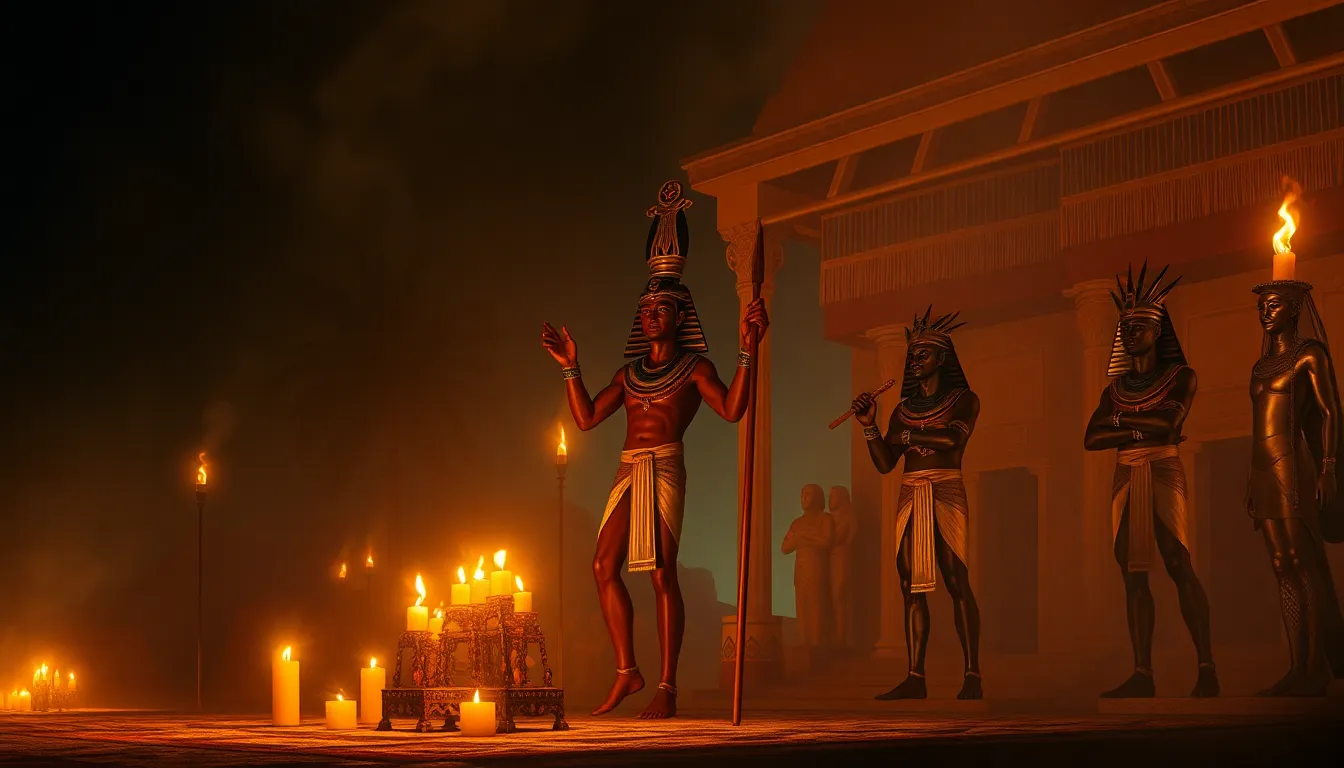
The Role of Ritual in Egyptian Festival Celebrations
I. Introduction
In the context of ancient Egyptian culture, rituals were sacred actions performed during festivals to honor the gods, celebrate seasonal changes, and strengthen community bonds. These rituals were integral to the festival experience, providing structure and meaning to the celebrations that permeated Egyptian life.
Festivals held great importance in ancient Egypt, serving as moments of communal gathering, religious expression, and agricultural celebration. They were times when the divine was believed to be more accessible, allowing the people to connect with their gods through ritual practices.
This article focuses on the various rituals that took place during Egyptian festivals, exploring their historical context, structure, symbolism, and enduring legacy in modern culture.
II. Historical Context of Egyptian Festivals
Ancient Egypt was home to numerous key festivals that highlighted the cultural and religious significance of the agricultural calendar. Two prominent festivals include:
- Opet Festival: This festival celebrated the annual flooding of the Nile, which was crucial for agriculture, and involved a grand procession from Karnak to Luxor.
- Wepet-Renpet: Known as the “Opening of the Year,” this festival marked the start of the agricultural cycle and included various rituals to ensure a successful harvest.
The agricultural calendar was deeply intertwined with these celebrations, as the seasons dictated the timing of rituals. Festivals often coincided with planting, harvesting, and other agricultural milestones, reinforcing the connection between the land and the divine.
Furthermore, the Egyptian pantheon played a significant role in these festivals, with different deities being honored at various times throughout the year, reflecting the people’s reliance on their gods for fertility, prosperity, and protection.
III. The Structure of Rituals in Festivals
Rituals during Egyptian festivals typically included several common elements that contributed to their spiritual and communal significance:
- Offerings: Food, incense, and symbolic items were presented to the gods as a form of respect and supplication.
- Prayers: Vocalized invocations or chants were performed by priests and worshippers to seek favor from the deities.
- Music: Instrumental and vocal music created a sacred atmosphere, enhancing the overall experience of the rituals.
Priests and priestesses held a pivotal role in performing these rituals, acting as intermediaries between the gods and the people. Their specialized training and knowledge of sacred texts allowed them to conduct the ceremonies effectively.
Moreover, rituals were inherently communal, encouraging participation from all members of society, which fostered a sense of unity and shared purpose during the celebrations.
IV. Symbolism in Rituals
Symbolism was a crucial aspect of Egyptian rituals, as actions and items used during ceremonies often held deeper meanings:
- Symbolic Actions: Many rituals involved reenactments or processions that mirrored significant mythological events, such as the resurrection of Osiris.
- Use of Colors: Specific colors were associated with various deities and concepts, such as green for fertility and rebirth or red for chaos and destruction.
- Artifacts and Offerings: Items like lotus flowers, bread, and wine were carefully chosen for their connections to life and sustenance.
This rich symbolism reflected the ancient Egyptians’ beliefs about the cosmos, the afterlife, and their relationship with the divine, allowing the rituals to convey profound spiritual messages that resonated with the participants.
V. The Role of Music and Dance in Festivals
Music and dance were vital components of Egyptian festival rituals, enhancing the emotional and spiritual atmosphere. Their significance included:
- Enhancing Ritual Experience: Music and dance stirred emotions and created a sense of divine presence among the participants.
- Specific Instruments: Instruments like the sistrum, lyre, and drums were commonly used, each adding unique sounds that evoked different feelings.
- Role of Performers: Musicians and dancers acted as conduits for spiritual messages, often incorporating movements and rhythms that mimicked natural cycles or mythological themes.
Thus, music and dance not only entertained but also deepened the connection between the community and the divine during these sacred celebrations.
VI. Case Studies of Notable Rituals
Examining specific rituals from notable festivals reveals much about the cultural and religious fabric of ancient Egyptian society:
- Opet Festival Rituals: Involved a procession with the statue of Amun carried from Karnak to Luxor, symbolizing the union of the divine with the pharaoh.
- Wepet-Renpet Rituals: Included offerings of first fruits and a ceremonial opening of the granaries, emphasizing the importance of agriculture.
These rituals not only served religious purposes but also reinforced the societal structure, with the pharaoh often playing a central role in the celebrations, symbolizing the connection between the divine and the earthly realm. Furthermore, regional variations of these rituals highlight the diverse practices within different communities, reflecting local beliefs and customs.
VII. The Legacy of Rituals in Modern Egyptian Culture
Today, many ancient Egyptian rituals continue to influence contemporary festivals, showcasing a rich cultural heritage:
- Continuation of Rituals: Certain practices, such as honoring local saints or celebrating agricultural cycles, echo ancient traditions.
- Modern Identity: The legacy of these rituals contributes to the national identity of modern Egyptians, linking them to their ancient past.
- Tourism: The preservation of these rituals, including re-enactments and celebrations, plays a significant role in attracting tourists and educating them about Egypt’s rich history.
Thus, the rituals of ancient Egyptian festivals have left an indelible mark on contemporary culture, fostering a sense of continuity and connection to the past.
VIII. Conclusion
In summary, rituals played a critical role in Egyptian festival celebrations, serving as a means of religious expression, community bonding, and cultural identity. The historical context, structure, symbolism, and legacy of these rituals reveal their enduring significance in both ancient and modern Egyptian society.
As we reflect on the impact of these festivals, it is clear that they provided not only spiritual fulfillment but also a vital link between the people, their beliefs, and the divine, shaping the community’s collective identity over millennia.
The rituals of ancient Egypt continue to resonate today, reminding us of the rich tapestry of human experience that connects past and present.