

The Role of Protective Deities in Egyptian Cosmology
I. Introduction
In ancient Egyptian belief, protective deities played a crucial role in safeguarding individuals and the state. These divine beings were seen as guardians against chaos and misfortune, embodying the protection that was vital to the lives of the ancient Egyptians.
Understanding Egyptian cosmology is essential to grasp the complexities of their culture. It offers insights into how the ancient Egyptians viewed the universe, their gods, and their own existence within that framework.
This article will explore the concept of protective deities within the context of Egyptian cosmology, detailing their significance, roles, and influence on various aspects of ancient Egyptian life.
II. The Concept of Cosmology in Ancient Egypt
Ancient Egyptian cosmology was a rich tapestry of myths and beliefs that explained the origins of the universe and the nature of existence. It encompassed the creation of the world, the relationship between gods and humans, and the cycles of life and death.
The ancient Egyptians believed that the universe was organized and harmonious, maintained by the gods. Each deity had a specific function, contributing to the overall order known as Ma’at, which represented truth, balance, and cosmic order.
Myth and storytelling played a pivotal role in shaping these cosmological views. Through tales of creation, divine interventions, and the afterlife, the Egyptians expressed their values, fears, and aspirations, reflecting the importance of protective deities within their belief system.
III. Key Protective Deities in Egyptian Mythology
Several major protective deities are central to Egyptian mythology:
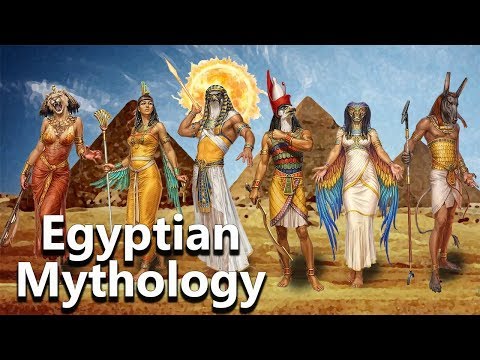
- Horus: Often depicted as a falcon, Horus represents kingship and protection. He was believed to watch over pharaohs and the nation, ensuring their safety.
- Isis: A goddess of magic and motherhood, Isis was revered for her protective qualities, especially over children and the vulnerable. She played a significant role in healing and safeguarding the dead.
- Anubis: The god of mummification and the afterlife, Anubis was depicted as a jackal or a man with a jackal’s head. He protected the dead during their journey to the afterlife, ensuring safe passage and guarding against malevolent spirits.
These deities embody protection and guidance, serving as intermediaries between the divine and human realms.
IV. The Functions of Protective Deities
Protective deities fulfilled various essential functions in ancient Egyptian society:
- Guardianship over the dead and the afterlife: Deities like Anubis ensured safe passage to the afterlife, safeguarding the deceased from dangers and guiding their souls.
- Protection of individuals and families in daily life: Protective deities were invoked for personal safety, health, and prosperity. They provided assurance in times of danger and uncertainty.
- Role in safeguarding the state and its rulers: Deities like Horus were vital in protecting the pharaoh and, by extension, the entire nation. The king was often seen as a living god, and his well-being was directly tied to the prosperity of the land.
V. Rituals and Practices Involving Protective Deities
The ancient Egyptians engaged in various rituals to invoke the protection of these deities:
- Description of rituals: Rituals often included offerings, prayers, and ceremonies dedicated to protective deities, performed by priests and the community to seek favor and protection.
- Use of amulets: Amulets inscribed with symbols and names of protective deities were worn to provide personal protection and ward off evil.
- The significance of temples: Temples dedicated to protective deities served as sacred spaces for worship, housing idols and conducting rituals that reinforced the connection between gods and the people.
VI. The Interplay Between Protective Deities and Other Gods
Protective deities interacted with other gods in the vast Egyptian pantheon:
- Relationship with other gods: Protective deities often collaborated with other gods, forming a network of divine support essential for maintaining order in the universe.
- Collaborative roles: In creation myths, deities like Isis and Horus worked together to restore order and harmony, showcasing their protective attributes in the cosmic narrative.
- Examples of syncretism: Many deities shared attributes or were combined in worship, reflecting the fluid nature of Egyptian religion and the overlapping roles of protection and guidance.
VII. The Influence of Protective Deities on Egyptian Art and Culture
Protective deities significantly influenced ancient Egyptian art and culture:
- Representation in art: Protective deities were commonly depicted in tomb paintings, sculptures, and amulets, symbolizing their protective qualities and importance in everyday life.
- Impact on literature: Myths and stories featuring protective deities illustrated their roles and taught moral lessons, impacting societal norms and values.
- Architectural significance: Temples and monuments were often constructed to honor protective deities, reflecting their vital role in the culture and the reverence held for them.
VIII. Conclusion
Protective deities hold a significant place in Egyptian cosmology, symbolizing the connection between the divine and human realms and the importance of safety and guidance in life. They not only provided assurance against chaos and misfortune but also defined the cultural identity of ancient Egyptians.
The legacy of these deities continues to resonate in modern understandings of ancient Egyptian culture, serving as a reminder of the values and beliefs that shaped one of history’s most fascinating civilizations. As contemporary spiritual practices often draw from ancient traditions, the relevance of protective deities remains a point of interest and exploration.


