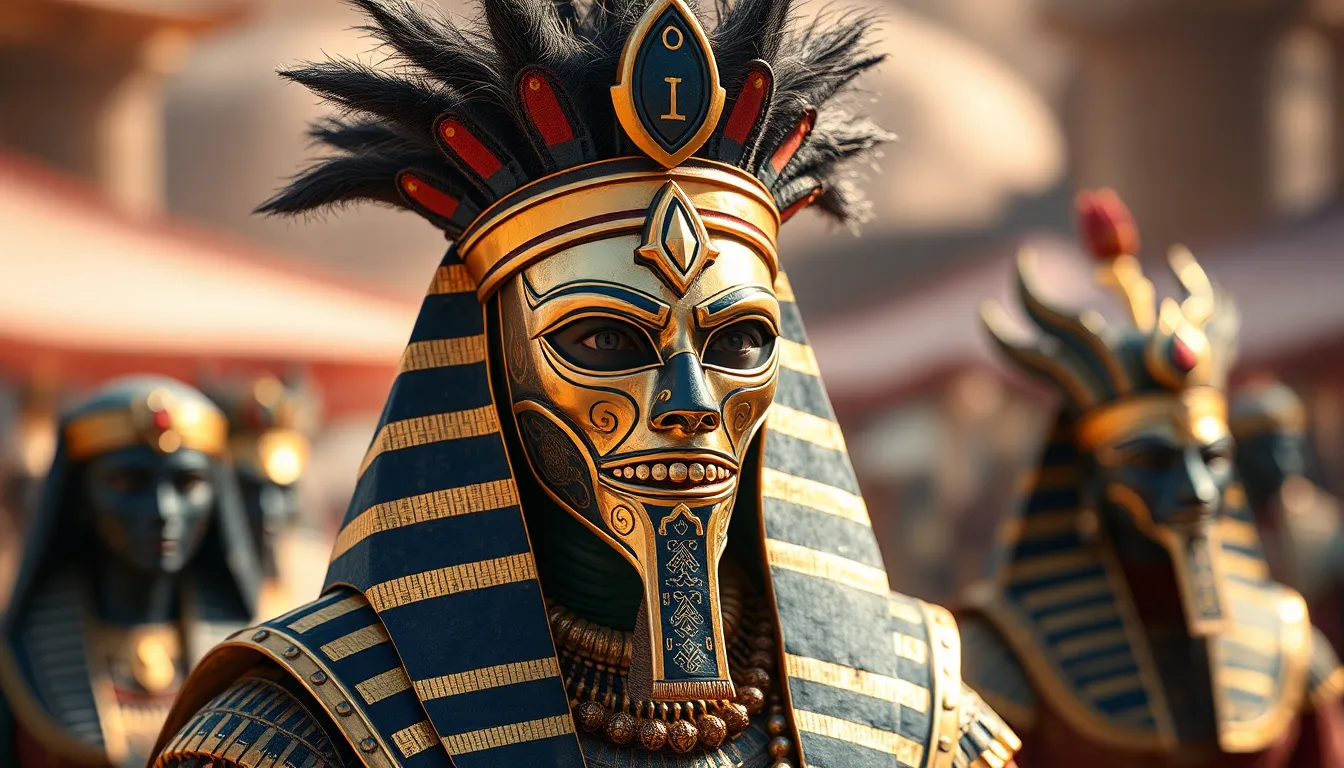
The Role of Masks and Costumes in Egyptian Festivals
I. Introduction
Egyptian festivals are vibrant celebrations steeped in rich history and cultural significance. These events not only mark important religious occasions but also serve as a means for the community to come together and celebrate their heritage. Central to these festivities are the masks and costumes that participants wear, which play a crucial role in cultural expression and storytelling.
This article aims to explore the importance of masks and costumes in Egyptian festivals, examining their historical context, symbolism, craftsmanship, and the ongoing traditions in modern celebrations.
II. Historical Context of Egyptian Festivals
The origins of festivals in ancient Egypt can be traced back to the early dynastic period, where they were closely linked to agricultural cycles, religious observances, and the worship of deities. Key festivals included:
- Wepet-Renenutet: Celebrating the harvest season.
- Beautiful Feast of the Valley: Honoring the dead and celebrating the afterlife.
- Festival of Opet: A celebration connecting the gods with the people.
These festivals were not only religious events but also opportunities for communities to engage in social activities, showcasing the evolution of masks and costumes over time, reflecting changes in artistic styles and cultural values.
III. Symbolism of Masks in Egyptian Culture
Masks held profound spiritual and religious meanings in ancient Egyptian culture. They were often used to represent gods and goddesses during festivals, serving as a bridge between the physical and spiritual worlds.
Some key aspects of the symbolism of masks include:
- Representation of Deities: Masks were crafted to depict various gods, such as Anubis, the god of the afterlife, and Hathor, the goddess of joy and fertility.
- Ritual Significance: Masks played a critical role in rituals and ceremonies, facilitating communication with divine forces.
- Personal Transformation: Wearing a mask allowed individuals to assume the identity of the deity, embodying their attributes and powers.
IV. Types of Costumes Worn During Festivals
Costumes in Egyptian festivals varied widely, often influenced by the specific celebration and regional traditions. Traditional garments held significant meaning and were crafted from various materials, such as linen, leather, and beads.
Key elements of festival costumes include:
- Traditional Garments: Such as the shendyt for men and kalasiris for women, representing social status and identity.
- Materials and Techniques: Costumes were made using techniques like weaving, embroidery, and dyeing, showcasing the artisans’ skills.
- Regional Variations: Costumes differed based on geographic location and specific festival customs, reflecting local culture and traditions.
V. Masks and Costumes in Modern Egyptian Festivals
Today, many Egyptian festivals still incorporate traditional masks and costumes, preserving the rich heritage of these practices. Contemporary celebrations often blend ancient customs with modern influences.
Some notable points include:
- Continuing Traditions: Many festivals, such as Sham el-Nessim, continue to feature traditional attire and masks.
- Globalization Influences: The designs of masks and costumes have evolved due to globalization, blending traditional motifs with contemporary styles.
- Cultural Identity: Festivals serve as a means of preserving cultural identity, allowing new generations to connect with their heritage through participation.
VI. Craftsmanship and Artistry Behind Masks and Costumes
The artistry involved in creating masks and costumes for festivals is a testament to the skills and techniques passed down through generations. The craftsmanship is vital not only for aesthetic appeal but also for cultural significance.
Key aspects of craftsmanship include:
- Techniques of Mask-Making: Artisans use various methods, such as molding, painting, and embellishing, to create intricate masks that capture the essence of the deities they represent.
- Role of Artisans: Skilled craftsmen play an essential role in festival preparations, often working collaboratively with community members to bring their visions to life.
- Art and Cultural Heritage: The intersection of art and cultural heritage is evident in the masks and costumes, which serve as visual representations of Egyptian mythology and beliefs.
VII. Social and Community Aspects of Masked Celebrations
Masked celebrations foster a sense of community and social engagement, offering opportunities for collective participation and expression. The community plays a vital role in the success and vibrancy of these festivals.
Some important social aspects include:
- Community Involvement: Festivals rely on the participation of community members, from artisans to performers, creating a shared experience.
- Social Commentary: Masks can serve as tools for social commentary, allowing individuals to express their views on societal issues and challenges through performance art.
- Cultural Transmission: Festivals act as a means of cultural education, teaching younger generations about their history, beliefs, and traditions through active participation.
VIII. Conclusion
In conclusion, masks and costumes play a significant role in Egyptian festivals, serving as vital elements of cultural expression and community identity. They encapsulate the rich history, artistry, and spirituality of ancient Egyptian culture and continue to evolve in modern times.
As we reflect on these traditions, it is essential to appreciate their ongoing relevance and support cultural heritage through active participation in festivals. By engaging with these celebrations, we honor the past while fostering a sense of unity and cultural pride in the present.