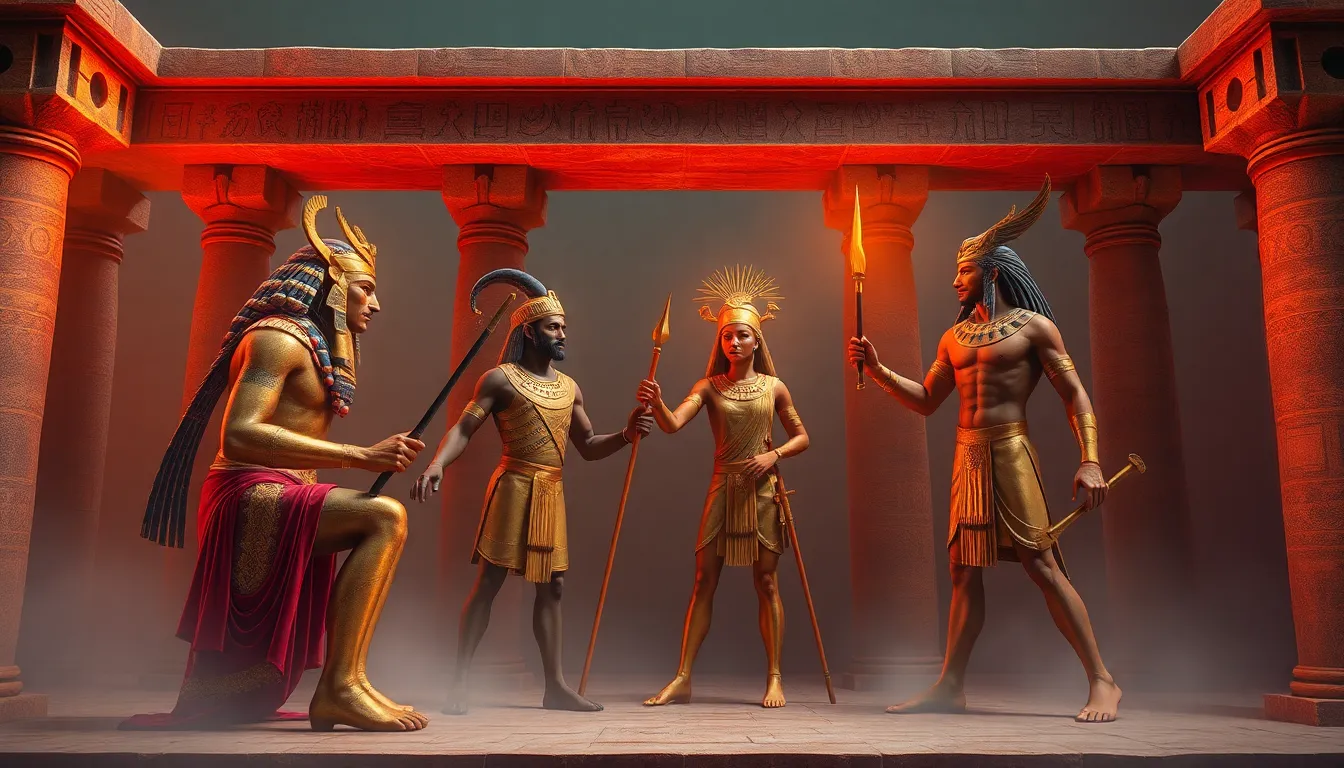
The Relationships Between Gods and Mortals: A Complex Dynamic
I. Introduction
The ancient world was filled with a rich tapestry of mythology, where gods and mortals interacted in complex and varied ways. Gods are often seen as powerful entities that govern aspects of the universe, while mortals represent humanity with its frailties and strengths. The relationship between these two groups is not only central to mythology but also serves as a foundation for many religions, providing a framework for understanding existence and morality.
This article will explore the multifaceted dynamics between gods and mortals, delving into historical contexts, types of relationships, the role of rituals, and the narratives that shape these interactions. Additionally, it will examine the psychological implications and modern interpretations of these ancient beliefs.
II. Historical Context of Divine and Human Interactions
Throughout history, various ancient civilizations, from the Egyptians to the Greeks and Romans, created elaborate pantheons of gods that represented natural forces, human emotions, and societal ideals. Each culture had its unique interpretation of divine beings and their interactions with humanity.
A. Ancient civilizations and their pantheons
Some notable pantheons include:
- Egyptian Pantheon: Featuring gods like Ra, Isis, and Osiris, who played crucial roles in creation myths and the afterlife.
- Greek Pantheon: Home to gods such as Zeus, Hera, and Poseidon, known for their anthropomorphic traits and complex relationships with humans.
- Roman Pantheon: Adopting many Greek deities, with figures like Jupiter and Venus, reflecting societal values and ideals.
B. Evolution of beliefs regarding gods and mortals
Over time, beliefs about the nature of gods and their relationships with humans evolved. Initially, gods were seen as distant and powerful, but as societies progressed, they began to be viewed as more relatable and involved in human affairs. This shift can be traced through various key texts and artifacts.
C. Key texts and artifacts that illustrate these relationships
Important historical documents include:
- The Epic of Gilgamesh: An early text highlighting the interactions between gods and a mortal hero.
- The Pyramid Texts: Egyptian hieroglyphs that detail rituals and the role of gods in the afterlife.
- The Homeric Hymns: Greek poems that celebrate the gods and their influence on the mortal realm.
III. Types of Relationships Between Gods and Mortals
Interactions between gods and mortals can be categorized into several types, each reflecting different aspects of human experience.
A. Benevolent deities and their protective roles
Many gods are portrayed as benevolent figures, offering protection, guidance, and blessings to humans. For example:
- Isis in Egyptian mythology, who is revered as a protector of the pharaohs and mothers.
- Athena in Greek mythology, known for her wisdom and strategic warfare, often aiding heroes.
B. Malevolent gods and the consequences of their wrath
On the other hand, some deities embody chaos and destruction. Their anger can lead to calamities for mortals, such as:
- Set in Egyptian mythology, who represents chaos and is associated with storms and disorder.
- Hades in Greek mythology, who, while not malevolent, ruled the underworld and was feared by mortals.
C. Neutral or indifferent gods and their impact on human affairs
Some gods are depicted as indifferent to human struggles, representing the unpredictability of life. This neutrality can lead to a sense of existential questioning among mortals.
IV. The Role of Rituals and Worship
To foster a connection with the divine, mortals engage in various rituals and acts of worship. These practices are essential for expressing devotion and seeking favor.
A. How mortals seek favor from the divine
Mortals often perform rituals, prayers, and ceremonies to connect with the divine and earn their favor.
B. The significance of sacrifices and offerings
In many cultures, sacrifices and offerings are made to appease the gods, including:
- Animal sacrifices in ancient Greek and Roman traditions.
- Food offerings to gods in Egyptian temples.
C. Festivals and communal worship as expressions of devotion
Community festivals celebrating deities are vital for social cohesion and collective identity, such as:
- The Dionysia in ancient Greece, honoring the god of wine and festivity.
- The Opet Festival in ancient Egypt, celebrating the fertility of the Nile.
V. Myths and Legends: Narratives that Shape Relationships
Myths and legends serve as foundational stories that illustrate the relationships between gods and mortals, providing moral lessons and cultural values.
A. Iconic myths that depict divine-human interactions
Some prominent myths include:
- The story of Prometheus, who defied the gods to bring fire to humanity.
- The tale of Osiris, whose death and resurrection symbolize themes of rebirth and the afterlife.
B. Lessons and morals derived from these stories
These narratives often convey important lessons about humility, respect, and the consequences of hubris.
C. The impact of storytelling on cultural understanding
Through storytelling, societies have shaped their cultural values and beliefs, providing a framework for understanding the human experience.
VI. The Psychological and Philosophical Implications
The relationship between gods and mortals raises profound psychological and philosophical questions about existence and morality.
A. The role of gods in human understanding of existence
Gods often embody the mysteries of life, helping humans make sense of their existence and the universe.
B. Theological debates on free will and divine intervention
The dynamics of divine intervention versus human agency lead to debates about free will and predestination, shaping ethical perspectives.
C. The influence of these relationships on human behavior and ethics
Beliefs about gods can guide moral behavior and influence societal norms, affecting how individuals interact with one another.
VII. Modern Interpretations and Relevance
In contemporary society, the dynamics between gods and mortals continue to resonate, influencing literature, art, and personal belief systems.
A. How contemporary society views divine and mortal relationships
Modern interpretations often reflect a more symbolic understanding of these relationships, focusing on their psychological and cultural significance rather than literal belief.
B. The impact of mythology on modern literature and art
Mythological themes are prevalent in literature and art, inspiring countless works that explore the human condition.
C. The quest for meaning in a secular world
As society becomes more secular, the search for meaning often leads individuals to reinterpret ancient myths, finding relevance in their narratives.
VIII. Conclusion
The relationships between gods and mortals are complex and multifaceted, reflecting the intricacies of human existence. These dynamics have shaped cultural beliefs, ethical frameworks, and social practices throughout history. Understanding this relationship not only enriches our knowledge of ancient cultures but also provides insights into the human experience today. The enduring legacy of these interactions continues to inspire and challenge us, reminding us of our quest for meaning in an ever-evolving world.