The Relationship between Humans and the Divine in Ancient Egypt
Ancient Egypt was a civilization deeply rooted in spirituality, where the relationship between humans and the divine played a central role in everyday life. The Egyptians believed that the gods and goddesses were powerful beings who influenced all aspects of their world, from the natural environment to the course of human events. Understanding this complex relationship sheds light on the rich tapestry of Egyptian beliefs, rituals, and societal structures.
The Nature of the Gods: A Pantheon of Power and Influence
The Egyptian pantheon was vast and diverse, encompassing gods and goddesses representing various natural forces, human qualities, and abstract concepts. Some prominent examples include:
- **Ra:** The sun god, representing the source of life and the creator of the world.
- **Osiris:** The god of the underworld, resurrection, and fertility.
- **Isis:** The goddess of motherhood, magic, and healing.
- **Horus:** The god of kingship, protection, and the sky.
- **Anubis:** The jackal-headed god of mummification and the afterlife.
- **Bastet:** The cat goddess of protection, motherhood, and joy.
Each god and goddess held a specific domain and played a role in maintaining the cosmic order, known as Ma’at. This concept of balance and harmony was crucial for the Egyptians, as they believed that the gods’ favor ensured stability and prosperity in their world. Disrupting Ma’at could lead to chaos and misfortune.
Worship and Ritual: Connecting with the Divine
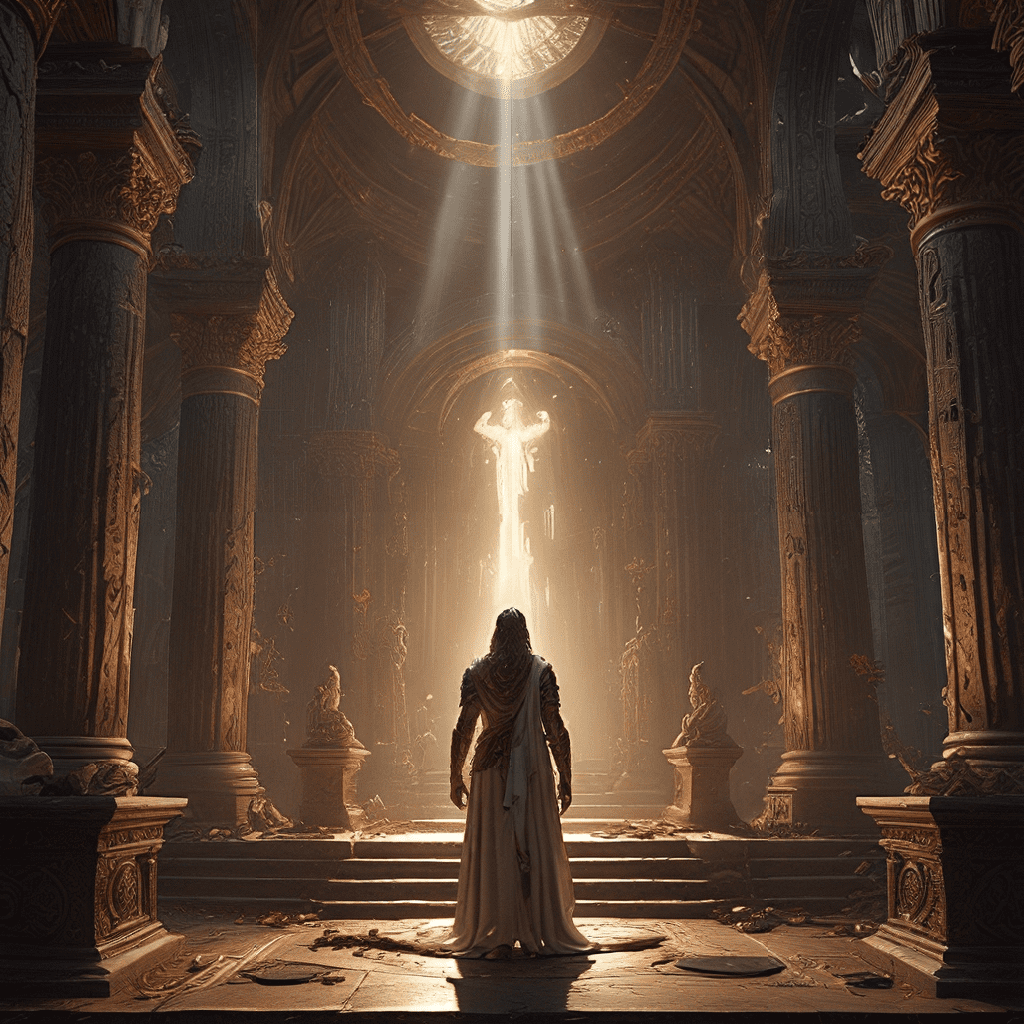
Temples served as the houses of the gods and were the focal points for worship and ritual activities. These magnificent structures were dedicated to specific deities and reflected their power and importance. Within the temples, priests and priestesses, trained in religious practices, were responsible for mediating between humans and the divine.
Elaborate rituals and ceremonies were performed daily and on special occasions, aiming to connect with the gods and seek their favor. These included:
- **Offerings:** Gifts of food, drink, flowers, and incense were presented as tokens of respect and devotion.
- **Prayers:** Supplications to the gods were offered for guidance, protection, and prosperity.
- **Processions:** Statues of the gods were carried through the streets in grand ceremonies, signifying their power and the importance of their presence.
These rituals, often accompanied by music, dance, and elaborate costumes, were considered essential for maintaining the gods’ favor and ensuring the well-being of the kingdom.
Sacrifice: A Token of Devotion
Sacrifice was a significant aspect of Egyptian religious practices and represented a tangible expression of devotion to the gods. It was believed that by offering something valuable, humans could appease the gods and secure their blessing.
Different types of sacrifices were offered, including:
- **Animal sacrifices:** Frequently used, with animals like cattle, sheep, and birds being sacrificed. The selection of the animal often depended on the specific god being honored.
- **Plant sacrifices:** Fruits, vegetables, and grains were also offered as symbols of abundance and fertility.
- **Symbolic sacrifices:** In some cases, objects like statues, jewelry, or precious metals were given as representations of valuable possessions.
The concept of “hetep,” meaning satisfaction, was a desired outcome of sacrifice. It signified the gods’ acceptance of the offering and their willingness to grant favor and protection.
The Quest for Favor: Seeking the Gods’ Blessing
The Egyptians believed that maintaining a moral and ethical life consistent with Ma’at was essential for receiving the gods’ favor. They valued virtues like justice, truth, and balance. In addition to ethical conduct, prayers and supplications offered to the gods were seen as a way to request divine intervention.
Egyptians prayed for:
- **Divine protection:** Seeking safety from illness, danger, and misfortune.
- **Guidance:** Requesting wisdom and direction in making important decisions.
- **Prosperity:** Hoping for abundance in crops, livestock, and good fortune.
These prayers were often accompanied by offerings and acts of devotion, as the Egyptians believed that sincerity and heartfelt pleas were crucial for gaining the gods’ attention and receiving their blessing.
The Pharaoh as a Divine Intermediary
The Pharaoh, the ruler of Egypt, was considered a divine king, embodying Horus, the god of kingship. He was not only a political leader but also a spiritual intermediary between the gods and the people. It was believed that the Pharaoh’s legitimacy and right to rule came directly from the gods.
The Pharaoh played a vital role in:
- **Maintaining Ma’at:** Ensuring balance and harmony within the kingdom, upholding justice, and protecting the people.
- **Leading religious ceremonies:** Participating in rituals and offering sacrifices to the gods, demonstrating his connection to the divine.
- **Representing the people before the gods:** Acting as a mediator, conveying the people’s needs and requests to the divine realm.
His responsibility to maintain Ma’at and ensure the kingdom’s well-being was deeply intertwined with the gods’ favor, as he was seen as their representative on Earth.
The Afterlife: A Journey to Eternity
The Egyptians believed in the afterlife, a concept that extended beyond the physical realm. They envisioned a journey to the underworld (Duat) where the deceased soul would be judged and either rewarded with eternal life or condemned to a fate of eternal darkness. This belief shaped their understanding of death and the importance of proper burial rituals.
Key aspects of the afterlife journey included:
- **Mummification:** The process of preserving the body to ensure its survival in the afterlife.
- **Burial rituals:** Elaborate ceremonies accompanied the deceased to their final resting place, often with offerings and amulets to aid their journey.
- **Judgment of the soul:** The deceased was judged by Osiris, assisted by Anubis, who weighed their heart against the feather of Ma’at. The weight of the heart determined their fate.
The quest for eternal life was a central theme in Egyptian religious beliefs, and proper burial rituals were seen as essential for ensuring a successful afterlife journey and receiving the gods’ favor.
The intricate relationship between humans and the divine was a defining feature of ancient Egyptian civilization. Their beliefs and practices, deeply intertwined with their spiritual world, shaped their rituals, social structures, and understanding of life and death. The Egyptian pantheon, with its diverse array of gods and goddesses, continues to fascinate and inspire people today, offering a window into a world where the divine was an integral part of everyday existence.