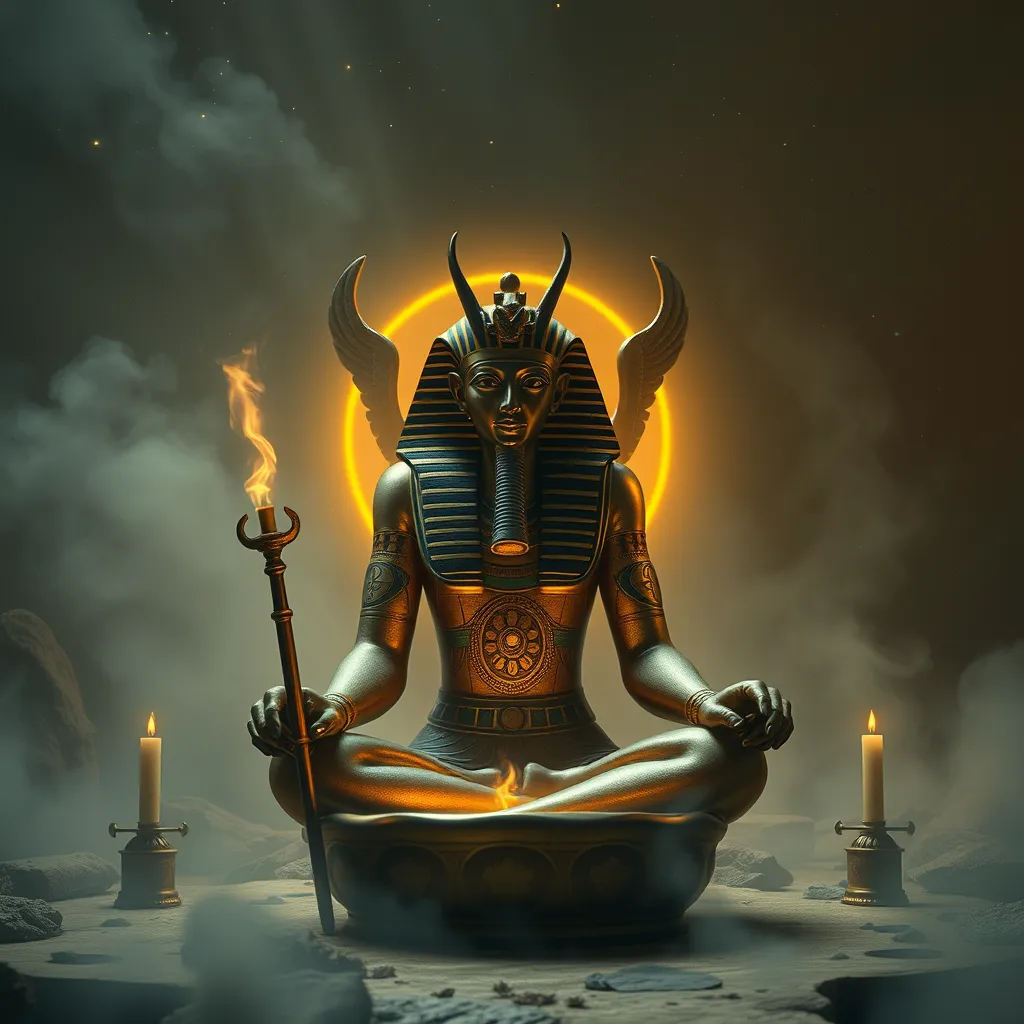
Prophecies and Divination
I. Introduction to Prophecies and Divination
Prophecies and divination are practices that have fascinated humanity for millennia. They encompass a range of methods and beliefs aimed at predicting future events or gaining insight into the unknown. Prophecies often arise from mystical or divine sources, while divination involves various techniques to interpret signs or symbols.
The historical significance and cultural relevance of these practices are profound. From ancient civilizations to modern times, prophecies and divination have played crucial roles in shaping societies, influencing decision-making, and guiding personal lives.
This article will explore the history of prophecies, various methods of divination, the psychology behind belief in these practices, contemporary views, their representation in pop culture, ethical considerations, and the future of research in this intriguing field.
II. The History of Prophecies
The tradition of prophecies dates back to ancient civilizations, where they were often intertwined with religious beliefs and practices. Here are some notable examples:
A. Ancient civilizations and their prophetic traditions
- Mesopotamia: The Sumerians and Babylonians utilized omens and dream interpretation to predict the future. They believed that the gods communicated through natural phenomena.
- Ancient Egypt: Egyptian priests were known for their prophetic abilities, often interpreting dreams and performing rituals to gain insights about the future.
- Greek and Roman oracles: The Oracle of Delphi is perhaps the most famous, where the Pythia delivered cryptic messages believed to be from Apollo, guiding decisions from rulers to common people.
B. Prophecies in religious texts
Religious texts across cultures contain numerous prophecies that have shaped beliefs and practices:
- The Bible and prophetic figures: Biblical prophets like Isaiah and Jeremiah delivered messages that were believed to be divinely inspired, often predicting future events related to Israel and humanity.
- Prophecies in other religions: Islam has the Hadith, which contains prophetic sayings of the Prophet Muhammad. Hinduism features texts like the Vedas, which include prophetic elements about the ages of man (Yugas).
III. Methods of Divination
Divination encompasses a wide array of techniques, each with its unique approach and philosophy. Here are some of the most notable methods:
A. Overview of various divination techniques
- Astrology: The study of celestial bodies’ positions and movements to predict earthly events and human affairs.
- Tarot reading: A practice involving a deck of cards, where the reader interprets the cards’ meanings to provide insight into the past, present, or future.
- Runes and crystals: Runes are ancient symbols used in Germanic languages, and crystal ball gazing is a method where practitioners claim to see visions through the crystal’s surface.
B. The role of intuition and interpretation in divination practices
Many divination practices heavily rely on the practitioner’s intuition and interpretative skills. Each reading or interpretation can vary significantly based on the reader’s perspective and personal experiences, making divination a deeply subjective practice.
IV. The Psychology of Belief in Prophecies
The belief in prophecies and divination is not merely a cultural phenomenon; it is rooted in psychological tendencies and cognitive biases.
A. Cognitive biases and the human inclination towards prophecy
Humans are naturally inclined to find patterns and make connections. This tendency can lead to:
- Confirmation bias: People tend to pay attention to information that confirms their beliefs while ignoring contradictory evidence.
- The Barnum effect: Individuals believe vague and general statements apply specifically to them, often seen in horoscope readings.
B. The impact of prophecies on behavior and decision-making
Belief in prophecies can significantly influence individuals’ choices. For instance:
- Political leaders may refer to prophecies to justify actions.
- Individuals may make life decisions based on perceived predictions, such as career paths or relationships.
C. Case studies of belief in prophecies affecting historical events
Throughout history, there are instances where prophecies have had tangible impacts on events. For example, the prophecy of the fall of Rome influenced leaders’ decisions and societal responses during its decline.
V. Contemporary Views on Prophecies and Divination
The modern era has brought new interpretations and practices in prophecies and divination, influenced by technology and societal changes.
A. Modern interpretations and practices
Today, many people view divination as a tool for self-reflection and personal growth rather than solely a means of predicting the future.
B. The role of technology and social media
Social media platforms have popularized astrology, tarot readings, and other divinatory practices. Online communities share experiences and insights, expanding the reach of these traditions.
C. Skepticism and scientific critiques of divination
Despite the popularity of divination, skepticism remains prevalent. Many scientists critique these practices as lacking empirical support, often attributing belief in prophecies to cognitive biases rather than any supernatural insights.
VI. Prophecies in Pop Culture
Pop culture has a significant influence on how prophecies and divination are perceived. Their representation in literature and film often amplifies public interest.
A. Depictions of prophecies and divination in literature and film
Many works of fiction feature prophetic elements, such as:
- The prophecies in Shakespeare’s “Macbeth,” which drive the plot and character motivations.
- The “Harry Potter” series, where prophecies play a crucial role in character destinies.
B. Famous fictional prophecies and their implications
Fictional prophecies often serve as narrative devices, exploring themes of fate versus free will and the consequences of foreknowledge.
C. The influence of pop culture on public perception of divination
As divination becomes more mainstream through pop culture, public perception shifts, with more individuals exploring these practices for entertainment or personal insight.
VII. Ethical Considerations in Prophecy and Divination
With the rise of divination practices, ethical considerations have become increasingly important.
A. Responsibility of practitioners towards clients
Practitioners must approach their work with care, ensuring they provide support and guidance without exploiting vulnerable individuals.
B. Potential for exploitation and harm
There is a risk of individuals being taken advantage of financially or emotionally, particularly in times of distress.
C. Balancing belief systems with ethical practices
Practitioners are encouraged to maintain a balance between respecting clients’ beliefs and providing ethical, responsible guidance.
VIII. Conclusion
In summary, prophecies and divination hold a complex place in human history and culture. Their enduring allure lies in our desire for understanding and control in an unpredictable world. As we explore these practices, it is essential to navigate the fine line between belief and skepticism, recognizing both the psychological and cultural dimensions at play.
As we look to the future, ongoing research into prophecies and divination may reveal more about their psychological impact and cultural significance, offering deeper insights into this fascinating aspect of human experience.