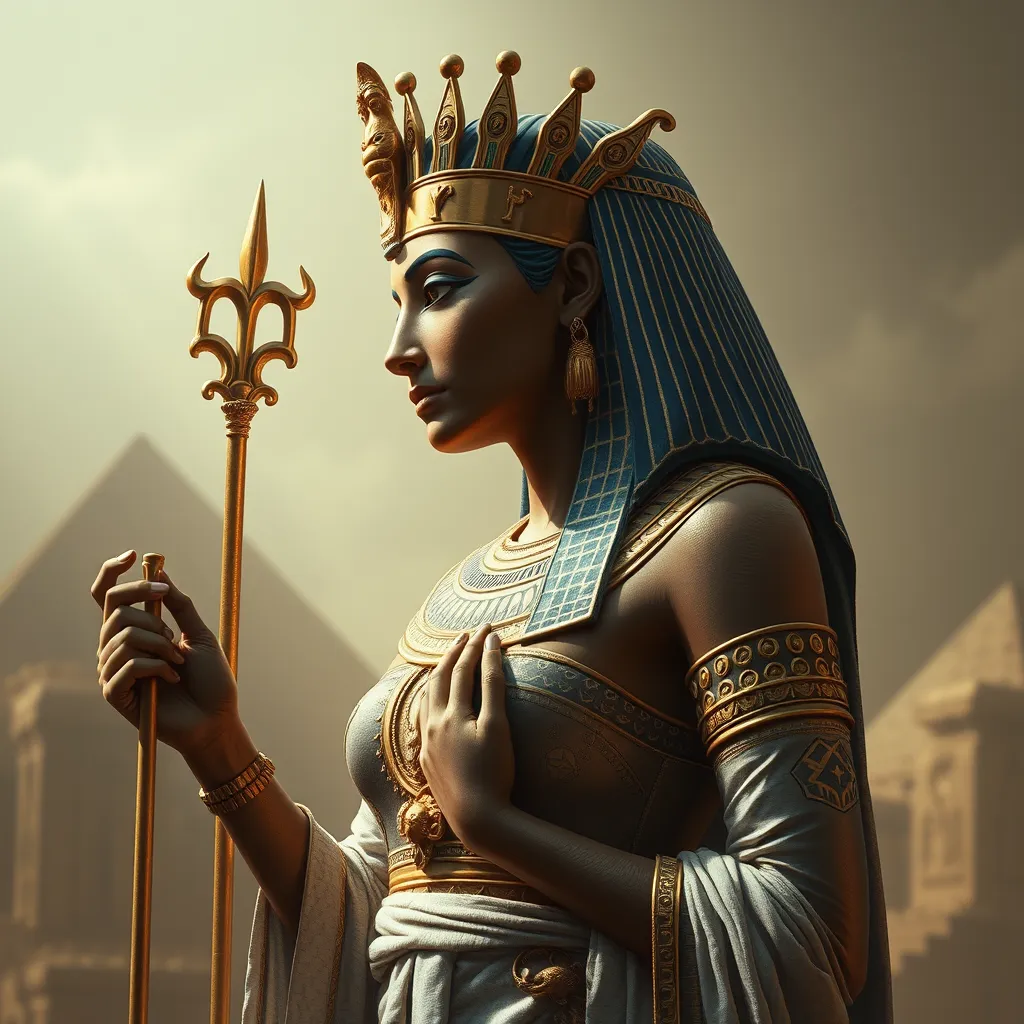
The Queen’s Wisdom: Understanding the Role of Women in Ancient Egyptian Religion
I. Introduction
Ancient Egyptian religion is a rich tapestry of beliefs and practices that intertwined daily life with the divine. Spanning thousands of years, this complex system of worship included a pantheon of gods and goddesses, elaborate rituals, and a deep reverence for the afterlife. Within this context, the roles of women, especially queens, were significant and multifaceted. Women were not only influential in domestic spheres but also held vital positions within religious practices, shaping the spiritual landscape of Ancient Egypt.
II. Theological Foundations: Female Deities in Ancient Egypt
The theological framework of Ancient Egyptian religion prominently featured several powerful female deities. These goddesses played crucial roles in mythology and were often invoked for their protective and nurturing qualities. Key female deities include:
- Isis: The goddess of motherhood, magic, and fertility, Isis was revered as a protector of the pharaoh and a symbol of resurrection.
- Hathor: Known as the goddess of love, beauty, and music, Hathor was also associated with motherhood and fertility, embodying the nurturing aspects of femininity.
- Ma’at: Representing truth, justice, and cosmic order, Ma’at underscored the importance of balance in both the earthly and divine realms.
The influence of these deities shaped the perception of women in society, elevating their status as essential to religious and cultural life. In many respects, the worship of these goddesses reflected and reinforced the power and reverence afforded to women in Ancient Egypt.
III. The Role of Queens in Religious Rituals
Queens in Ancient Egypt were not merely consorts of pharaohs; they often served as priestesses and played critical roles in religious ceremonies. Their involvement in temple rituals and state-sponsored religious activities underscored their significance in maintaining divine favor and societal order. Notable queens who made substantial religious contributions include:
- Hatshepsut: One of the most famous female pharaohs, Hatshepsut expanded trade networks and commissioned numerous building projects, including temples dedicated to Amun. Her reign included significant religious reforms, emphasizing her divine right to rule.
- Nefertiti: Known for her beauty and role as the Great Royal Wife of Akhenaten, Nefertiti played a crucial role in promoting the worship of Aten, the sun disc, showcasing how queens could influence religious practices and beliefs.
These queens not only participated in rituals but also shaped the religious narratives of their time, reinforcing the idea that women were integral to the spiritual life of Ancient Egypt.
IV. Women as Symbols of Fertility and Regeneration
In Ancient Egyptian religion, women were often associated with fertility and regeneration, embodying the cycles of life, death, and rebirth. This association was deeply rooted in the agricultural calendar, where the Nile’s flooding symbolized renewal and growth. The significance of motherhood and childbirth was celebrated in various religious contexts:
- Rituals surrounding childbirth often invoked the blessings of goddesses like Isis, who was believed to protect mothers and children.
- The concept of the ‘Mother Goddess’ was prevalent, highlighting the reverence for female fertility and the life-giving force of women.
This veneration of women as symbols of fertility contributed to their respected status within society, emphasizing their vital role in the continuation of life and culture.
V. Women in the Afterlife: Beliefs and Practices
The afterlife beliefs of Ancient Egyptians reveal distinct gender roles, where women were portrayed in various contexts, often with agency and significance. Tomb art and funerary texts provide insights into how women were perceived in the afterlife:
- Women were often depicted alongside their husbands in tomb paintings, showcasing a partnership that extended beyond death.
- Funerary texts frequently included prayers and spells specifically addressing the needs and desires of women in the afterlife.
This portrayal indicates that women were not merely passive figures in the afterlife but actively participated in the spiritual journey, reflecting their roles in life.
VI. The Impact of Female Leadership on Religious Practices
Female pharaohs and leaders significantly influenced the religious landscape of Ancient Egypt. Their leadership often challenged traditional gender norms and demonstrated that women could wield considerable power in religious spheres. Some impacts of female leadership include:
- Establishing new religious practices and altering existing ones to align with their beliefs and political agendas.
- Promoting the worship of specific deities, thereby shaping the spiritual devotion of the populace.
The balance of power between male and female figures in religious contexts was often fluid, with female leaders redefining traditional roles and expectations.
VII. The Decline of Female Religious Authority
Despite the prominent roles women held in Ancient Egyptian religion, various factors contributed to the marginalization of female religious authority over time. These factors included:
- The rise of patriarchal structures that increasingly confined women’s roles to domestic spheres.
- Historical shifts in political power that favored male leadership and diminished the visibility of queens and priestesses.
As religious practices evolved, the once-celebrated roles of women began to recede, reflecting broader societal changes in gender dynamics within Ancient Egypt.
VIII. Conclusion
The legacy of women in Ancient Egyptian religion is a testament to their vital contributions to spiritual life and societal structure. From powerful queens to revered goddesses, women played essential roles that shaped religious narratives and practices. Understanding this history is crucial for recognizing the complexity of gender dynamics in ancient cultures and the importance of female contributions in historical narratives. The enduring influence of these women continues to inspire modern reflections on the roles of women in religion and society.