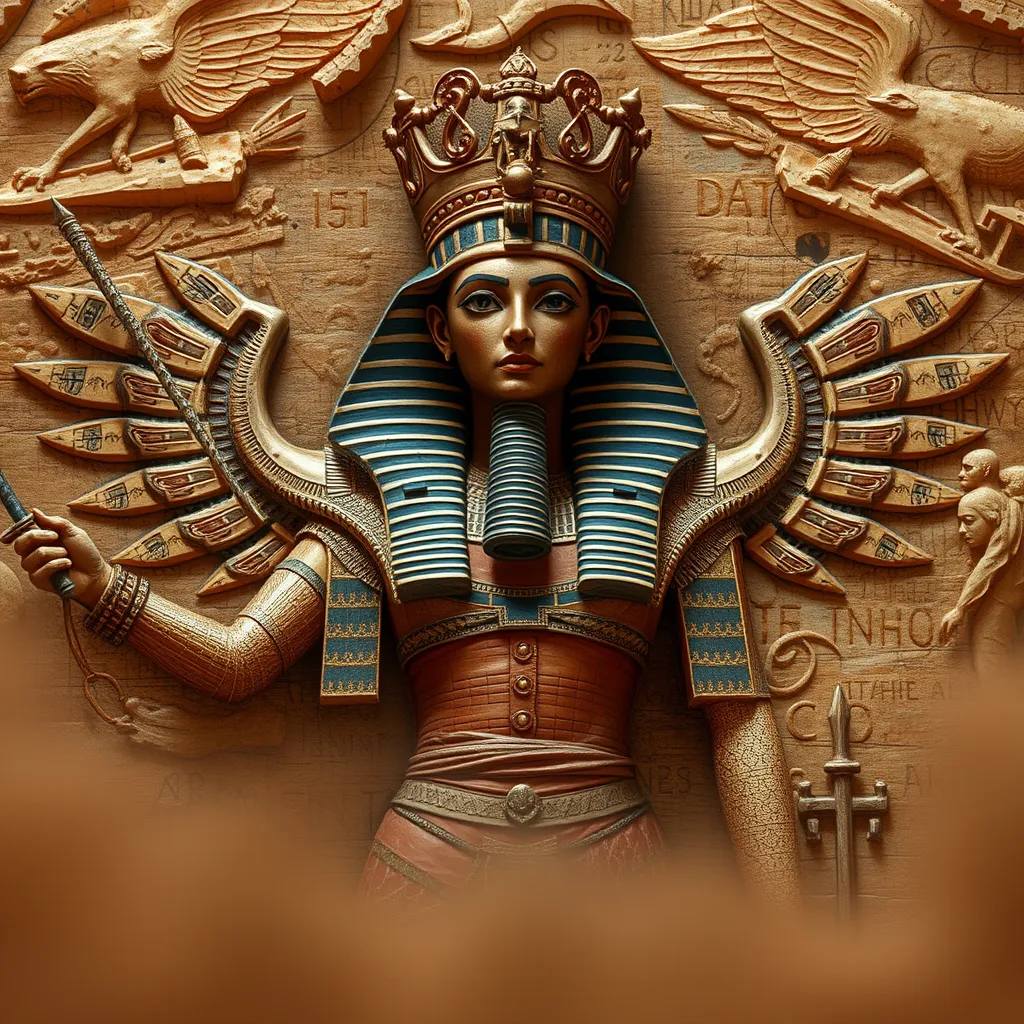
The Queen’s War: Tales of Strength and Resilience in Ancient Egypt
I. Introduction
Ancient Egypt, a civilization that flourished for thousands of years along the Nile River, is renowned for its monumental architecture, complex beliefs, and rich cultural heritage. This era was not only marked by powerful kings but also by formidable queens who played pivotal roles in shaping the course of Egyptian history. The importance of queens in Egyptian society transcended mere titles; they were influential figures in politics, religion, and culture. This article delves into the tales of strength and resilience exhibited by these remarkable women, highlighting their contributions and the enduring legacy they left behind.
II. The Role of Queens in Ancient Egypt
Queens in Ancient Egypt held significant power and influence, often acting as co-regents or even rulers in their own right. Their roles varied widely, but the following aspects were central to their influence:
- Political Power: Many queens were integral to state affairs, often engaging in diplomacy and governance. They sometimes acted as regents for their sons or took on leadership roles during times of crisis.
- Cultural and Religious Significance: Queens were often associated with goddesses and played vital roles in religious rituals, symbolizing fertility and motherhood.
- Notable Queens: Figures such as Hatshepsut and Cleopatra VII stand out for their extraordinary contributions to Egyptian society and their legacies that continue to inspire.
III. Legendary Queens and Their Battles
Throughout history, certain queens have emerged as legendary figures, known for their strategic acumen and bravery in the face of adversity.
A. Hatshepsut: The Female Pharaoh
1. Rise to Power and Reign
Hatshepsut, one of the few female pharaohs of Ancient Egypt, rose to power during the 18th Dynasty. Initially serving as regent for her stepson, Thutmose III, she eventually declared herself pharaoh, donning male regalia to solidify her authority.
2. Military Campaigns and Achievements
During her reign, Hatshepsut launched successful military expeditions, particularly to Punt, which brought wealth and prestige to Egypt. Her most notable achievement was the construction of magnificent temples, especially the mortuary temple at Deir el-Bahari, which remains a testament to her legacy.
B. Cleopatra VII: The Last Pharaoh
1. Political Alliances and Conflicts
Cleopatra VII, the last active ruler of the Ptolemaic Kingdom, is perhaps the most famous queen in history. Her reign was marked by strategic alliances with powerful Roman leaders, including Julius Caesar and Mark Antony, which were pivotal in her efforts to maintain Egypt’s independence during a tumultuous period.
2. Legacy of Resilience in a Male-Dominated World
Despite facing immense challenges, Cleopatra’s intelligence, charisma, and political savvy allowed her to navigate a male-dominated world. Her legacy is one of resilience, as she fought to preserve her kingdom and assert her influence even in the face of impending defeat.
IV. The Impact of War on Women in Ancient Egypt
War profoundly affected the lives of women in Ancient Egypt. As conflict erupted, women’s roles evolved significantly:
- Women’s Roles During Wartime: Women often took on greater responsibilities, managing households and businesses while men were away at war.
- Social Changes and Challenges: The absence of men due to warfare led to shifts in societal structures, with women occasionally finding new opportunities in trade and governance.
- Resilience and Adaptability: Women displayed remarkable resilience, adapting to the challenges of war and maintaining their families and communities.
V. Myths and Legends Surrounding Warrior Queens
The tales of warrior queens are interwoven with myths and legends, reflecting the cultural values of Ancient Egypt:
- Examination of Historical Myths: Many queens were deified or associated with goddesses, emphasizing their divine right to rule.
- Symbolism of Warrior Queens: Queens like Hatshepsut and Cleopatra symbolize strength, intelligence, and the ability to lead, challenging gender norms of their time.
- Reflection of Societal Values: These legends highlight the Egyptian reverence for powerful women, showcasing the complexity of gender roles within their society.
VI. The Legacy of Queenly Strength and Resilience
The stories of Ancient Egyptian queens continue to resonate today:
- Influence on Modern Perceptions: The tales of these queens have inspired contemporary discussions about female leadership and empowerment.
- Lessons Learned: Their resilience in the face of adversity serves as a valuable lesson in courage and determination.
- Enduring Symbol: The legacy of these queens is an enduring symbol of resilience that continues to inspire women and leaders around the world.
VII. Archaeological Discoveries and Their Revelations
Recent archaeological discoveries have shed new light on the lives of queens in Ancient Egypt:
- Recent Findings: Excavations have uncovered artifacts, tombs, and inscriptions that provide insights into the roles and lives of queens, revealing their influence and achievements.
- Insights into Their Lives: These discoveries allow historians to piece together the complexities of their reigns, military endeavors, and cultural contributions.
- Importance of Preserving History: The preservation and study of these findings are crucial for understanding the past and honoring the legacies of these remarkable women.
VIII. Conclusion
The tales of strength and resilience embodied by the queens of Ancient Egypt are not merely historical accounts; they are narratives that continue to inspire and educate. The key themes of political power, cultural significance, and the impact of war on women highlight the complexities of their contributions. As we reflect on their legacies, it is essential to recognize the ongoing relevance of these stories in contemporary discussions about female leadership and resilience. The untold stories of ancient queens invite us to explore further the rich tapestry of history, reminding us that the strength of women has always been a vital part of our shared narrative.