The Queen’s Trials: Exploring the Challenges Faced by Women in Ancient Egypt
I. Introduction
Ancient Egypt, a civilization renowned for its grandeur and complexity, held women in a unique position compared to many other ancient societies. Women, particularly queens, played crucial roles in both domestic and public spheres. Their influence extended beyond the household, affecting the political landscape and cultural fabric of Egypt. This article aims to delve into the trials and challenges faced by women, with a particular focus on queens, highlighting their resilience and impact on Egyptian society.
II. Historical Context of Women in Ancient Egypt
The social hierarchy of Ancient Egypt was intricate, with a distinct stratification that defined the roles and rights of its citizens. Women generally enjoyed a higher status than their counterparts in other ancient cultures, possessing legal rights to own property, initiate divorce, and manage businesses.
- Legal Rights: Women in Ancient Egypt could inherit and own property, which was a significant advantage that afforded them a degree of independence.
- Social Status: Despite their rights, women were often still viewed through the lens of their relationships to men, influencing their status in society.
Notable queens such as Hatshepsut and Nefertiti made significant contributions to the cultural and political spheres of Egypt, showcasing the potential of women in leadership roles.
III. The Role of Queens in Governance
Queens in Ancient Egypt had varying degrees of political power and influence. Some, like Hatshepsut, effectively ruled as pharaohs, while others played significant supportive roles alongside their husbands.
Case Studies
- Hatshepsut: One of the few female pharaohs, she expanded trade networks and commissioned monumental building projects, asserting her authority in a traditionally male-dominated role.
- Cleopatra: Known for her intelligence and political acumen, Cleopatra navigated alliances with Rome, showcasing the complexities of power in a patriarchal society.
Despite their significant influence, queens faced numerous challenges in asserting their authority, often having to contend with societal expectations and opposition from male counterparts.
IV. Societal Expectations and Gender Norms
In Ancient Egyptian society, women were traditionally expected to fulfill roles as wives and mothers, managing the household and bearing children. These expectations often conflicted with personal ambitions for power and influence.
- Traditional Roles: Women were typically responsible for domestic duties, which limited their public engagement.
- Conflict of Ambition: Queens often found themselves torn between their duties as rulers and societal expectations as mothers, leading to a duality in their roles.
This duality created a complex landscape for queens, requiring them to balance personal desires with the expectations of their society.
V. Religious and Cultural Pressures
Religion played a pivotal role in the lives of Ancient Egyptians, influencing gender roles significantly. Queens often served as priestesses and spiritual leaders, further intertwining their political and religious responsibilities.
- Intersection of Religion and Gender: The divine nature of kingship often placed queens in the position of fulfilling religious obligations, which compounded their public responsibilities.
- Spiritual Leadership: As priestesses, queens were expected to perform rituals and uphold spiritual traditions, adding another layer of pressure to their roles.
These religious expectations often posed challenges, as queens had to navigate the intricate balance of power between religious duties and political authority.
VI. Marital Alliances and Power Dynamics
Marriage in Ancient Egypt was not merely a social contract but a strategic alliance that consolidated power and influence. Queens often had to navigate complex marital politics to maintain their status and authority.
- Significance of Marriage: Marriages were commonly used to forge alliances between powerful families or factions, making loyalty and betrayal critical issues.
- Challenges: Queens faced the constant threat of political maneuvering, where personal relationships could be exploited for political gain.
Case Studies
Queens such as Cleopatra navigated these treacherous waters, using her marriages to powerful men to secure her position and influence in a volatile political landscape.
VII. Legacy and Representation of Women in Ancient Egypt
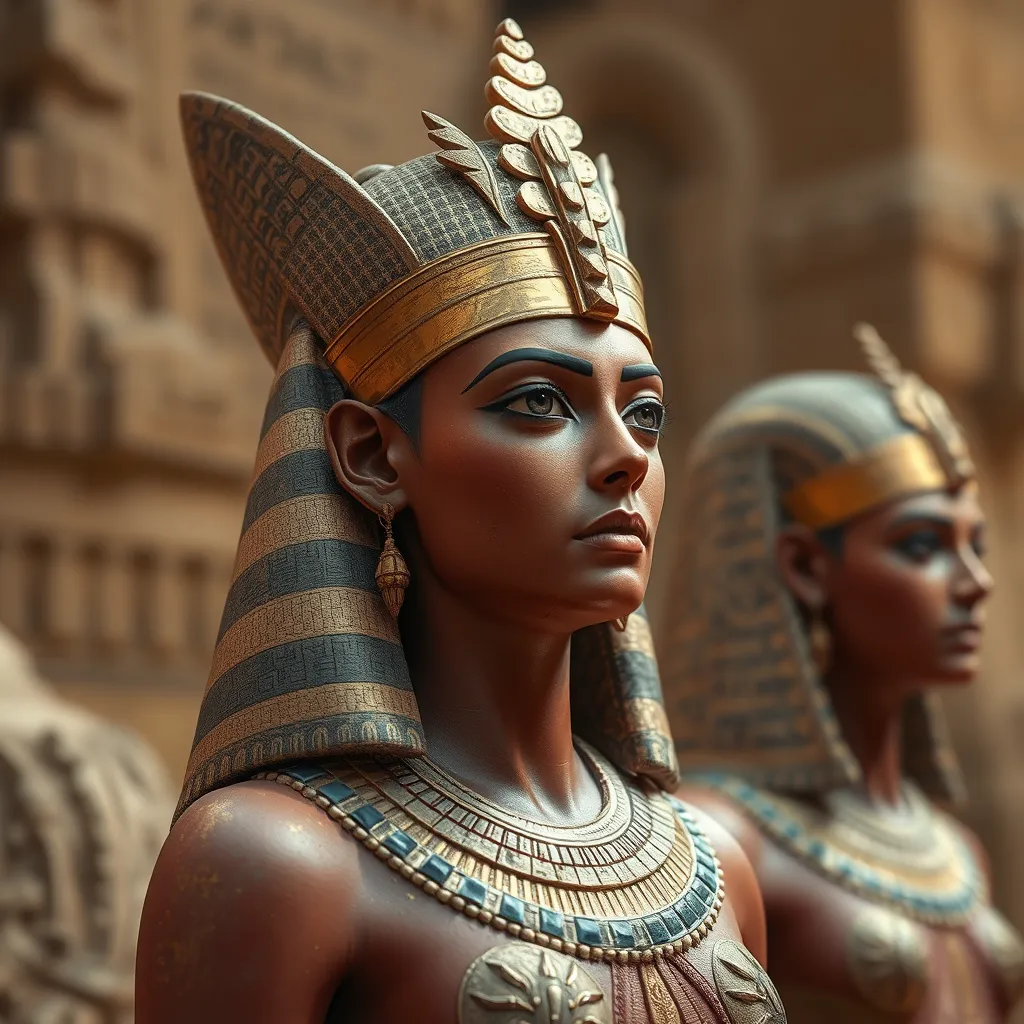
The legacy of queens in Ancient Egypt is reflected in art, literature, and historical accounts. They were often depicted in ways that emphasized their beauty and power, yet many narratives have been simplified or distorted over time.
- Depictions in Art: Queens were frequently immortalized in sculpture and painting, highlighting their status and contributions.
- Impact on Future Generations: The legacies of queens like Hatshepsut and Cleopatra have inspired countless women throughout history, showcasing the potential for female leadership.
- Modern Interpretations: Contemporary views on Ancient Egyptian queens often overlook the complexities of their lives, leading to misconceptions about their roles and influence.
VIII. Conclusion
The trials faced by women, and particularly queens, in Ancient Egypt were multifaceted, involving a delicate balance of power, societal expectations, and personal ambitions. Despite the challenges, these women demonstrated remarkable resilience and left a lasting impact on their society and future generations.
Understanding the role of women in ancient societies, especially the queens of Ancient Egypt, provides valuable insights into the complexities of gender, power, and legacy. Their stories continue to resonate, reminding us of the strength and influence that women have exhibited throughout history.