The Queen’s Trials: Exploring the Challenges Faced by Women in Ancient Egypt alongside the Pharaohs
I. Introduction
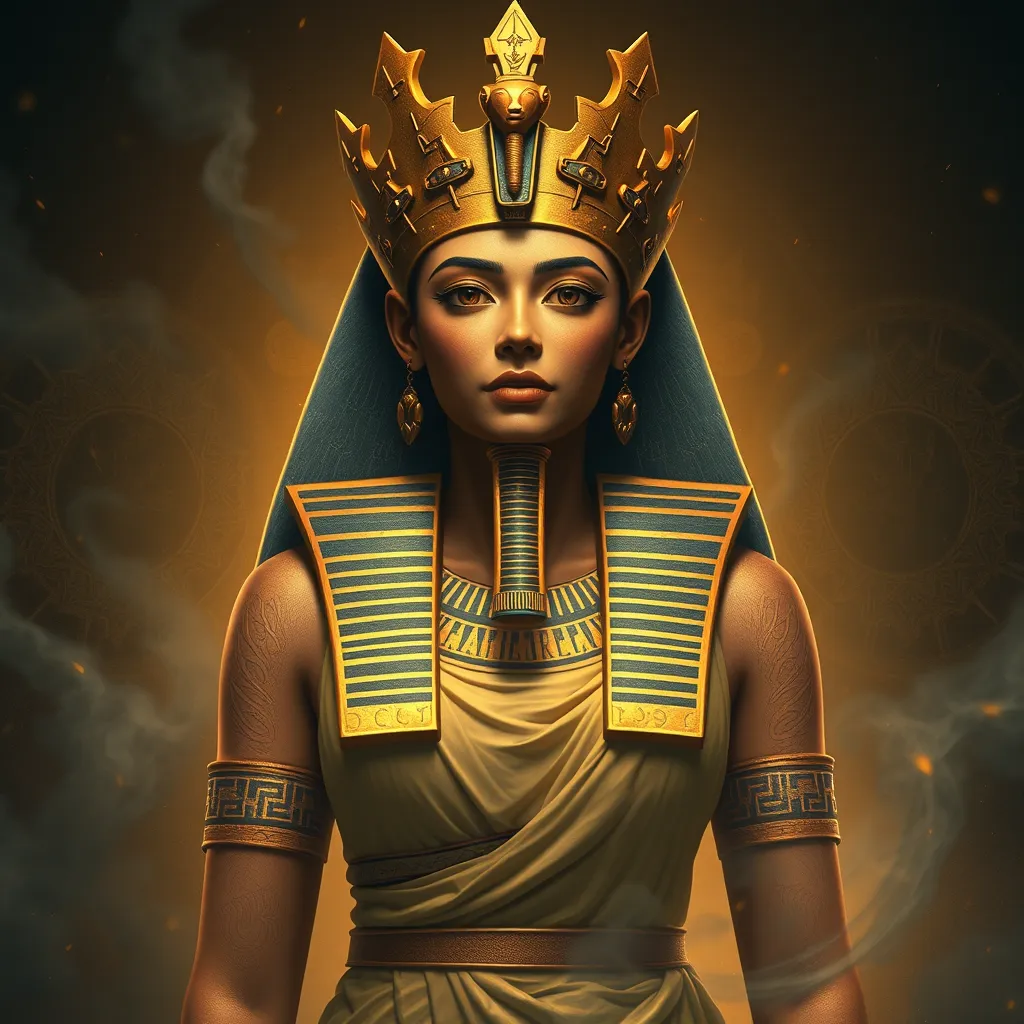
In Ancient Egypt, women held a unique position that intertwined with the intricate fabric of society, politics, and religion. While men predominantly occupied the public spheres of power, women, especially queens, navigated their own paths of influence and authority. The role of queens was not merely ceremonial; it was pivotal in the context of pharaonic power, often acting as both consorts and co-regents.
This article aims to explore the myriad challenges faced by women, particularly queens, in Ancient Egypt, shedding light on their struggles, achievements, and the societal dynamics that shaped their lives.
II. The Role of Queens in Ancient Egypt
Queens in Ancient Egypt were more than just wives of the Pharaohs; they were integral to the governance and spiritual fabric of the nation.
A. Definition and significance of queenship
Queenship represented a complex role that encompassed political, social, and religious dimensions. A queen was often seen as the embodiment of Ma’at, the principle of truth and order, which was central to Egyptian belief.
B. The political and religious responsibilities of queens
Queens were involved in various political and religious duties, including:
- Participating in ceremonial functions alongside the Pharaoh.
- Influencing decisions related to governance and diplomacy.
- Serving as priestesses and performing sacred rites.
C. Notable queens and their contributions to governance
Several queens left indelible marks on history, such as:
- Hatshepsut: Often regarded as one of the most successful pharaohs, she ruled as a king and expanded trade networks.
- Nefertiti: Known for her beauty and influence, she was a key figure in the religious revolution initiated by her husband, Akhenaten.
- Cleopatra VII: The last active ruler of the Ptolemaic Kingdom, she was known for her intelligence and political acumen.
III. Societal Expectations and Gender Norms
Ancient Egyptian culture had distinct gender roles that affected the lives of women at all levels of society.
A. Examination of gender roles in Ancient Egyptian culture
While women enjoyed certain rights, such as owning property and conducting business, societal expectations often confined them to domestic roles.
B. The impact of societal expectations on queens and royal women
Queens were expected to fulfill traditional roles as mothers and wives while also navigating the complexities of power.
C. The duality of power: influence versus authority
Queens often wielded significant influence, yet their authority was frequently overshadowed by their male counterparts. This duality created a complex dynamic where queens had to balance their roles as advisors and leaders.
IV. Political Intrigues and Power Struggles
The court of Ancient Egypt was rife with political intrigue, and queens often found themselves embroiled in power struggles.
A. The challenges of navigating court politics
Queens had to be astute in managing relationships with other royals and influential figures, often facing jealousy and rivalry.
B. Historical examples of rivalries among royal women
Competition among royal women could be fierce, leading to notable rivalries:
- The rivalry between Hatshepsut and her stepson, Thutmose III, who sought to erase her legacy.
- Cleopatra’s political maneuvers against her siblings for control of the throne.
C. Cases of queens who faced exile, imprisonment, or assassination
Many queens faced dire consequences due to court intrigues, including:
- Exile of queens who lost favor with the pharaoh.
- Imprisonment of rivals posing threats to the throne.
- Assassination plots against influential queens.
V. The Intersection of Religion and Femininity
Religion played a crucial role in shaping the identities and roles of queens in Ancient Egypt.
A. The role of queens in religious practices and rituals
Queens participated in various religious ceremonies, reinforcing their status as divine figures.
B. How religious expectations shaped the lives of women
Religious beliefs dictated the behavior and responsibilities of queens, often placing them in the position of mediators between the gods and the people.
C. The influence of goddesses on the perception of female power
Goddesses such as Isis and Hathor were revered in Ancient Egypt, influencing the perception of femininity and power, as queens were often likened to these divine figures.
VI. Economic Challenges and Resource Management
Queens also had significant economic responsibilities, often managing vast estates and resources.
A. The economic responsibilities of queens in managing estates
Queens were tasked with overseeing agricultural lands and ensuring the prosperity of the kingdom.
B. The limitations placed on women’s access to wealth and resources
Despite their roles, queens faced restrictions regarding their economic independence, often relying on the pharaoh for access to wealth.
C. Strategies employed by queens to exert economic influence
To exert influence, queens employed various strategies, such as:
- Forming alliances through marriage.
- Leveraging their estates for political gain.
- Participating in trade and commerce.
VII. Legacy and Historical Representation
The narratives surrounding queens in Ancient Egypt have been shaped over the centuries, influencing their historical representation.
A. How the narratives of queens have been shaped through history
Queens have often been portrayed through the lens of male historians, influencing how their legacies are remembered.
B. The impact of archaeological findings on our understanding of royal women
Recent archaeological discoveries have provided new insights into the lives of queens, challenging previous narratives and highlighting their roles.
C. Modern interpretations of queenship in Ancient Egypt
Today, queenship is reinterpreted through feminist lenses, emphasizing the agency and power of women in ancient contexts.
VIII. Conclusion
The challenges faced by queens in Ancient Egypt were numerous and multifaceted, ranging from political intrigues to societal expectations. Despite these obstacles, many queens demonstrated remarkable resilience and adaptability, navigating the complexities of their roles with intelligence and strength.
The legacy of Ancient Egyptian queens continues to resonate in contemporary discussions of gender and leadership, highlighting the enduring importance of female figures in the history of civilization.